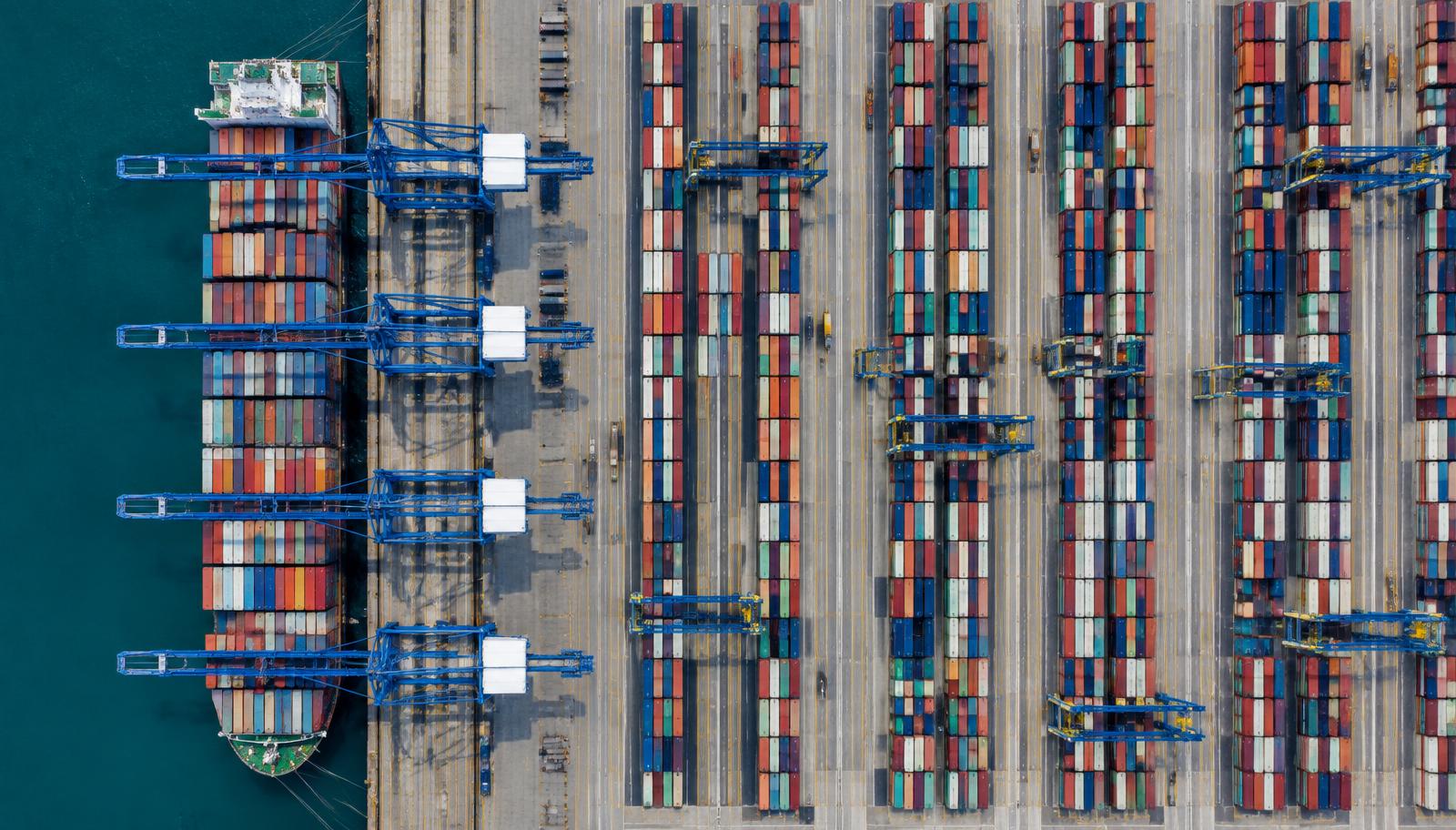
 14 vessels
Feeder
Short-sea and feeder links that connect smaller ports to our trunk services.
- Capacity
- 1,700–3,000 TEU
- Typical length
- 170–200 m
- Service speed
- 16–18 kn
- Deployment
- Gulf, Red Sea, Mediterranean
Explore by mode
Choose a mode to see the vessel classes, aircraft types and road and rail equipment we use.
Ocean fleet
Our 58 owned and chartered container vessels range from 1,700 to 15,000 TEU. Smaller classes serve regional and draft-restricted ports; larger ships run the high-volume trunk lanes between Asia, the Gulf, Europe and the Americas.
14 vesselsShort-sea and feeder links that connect smaller ports to our trunk services.
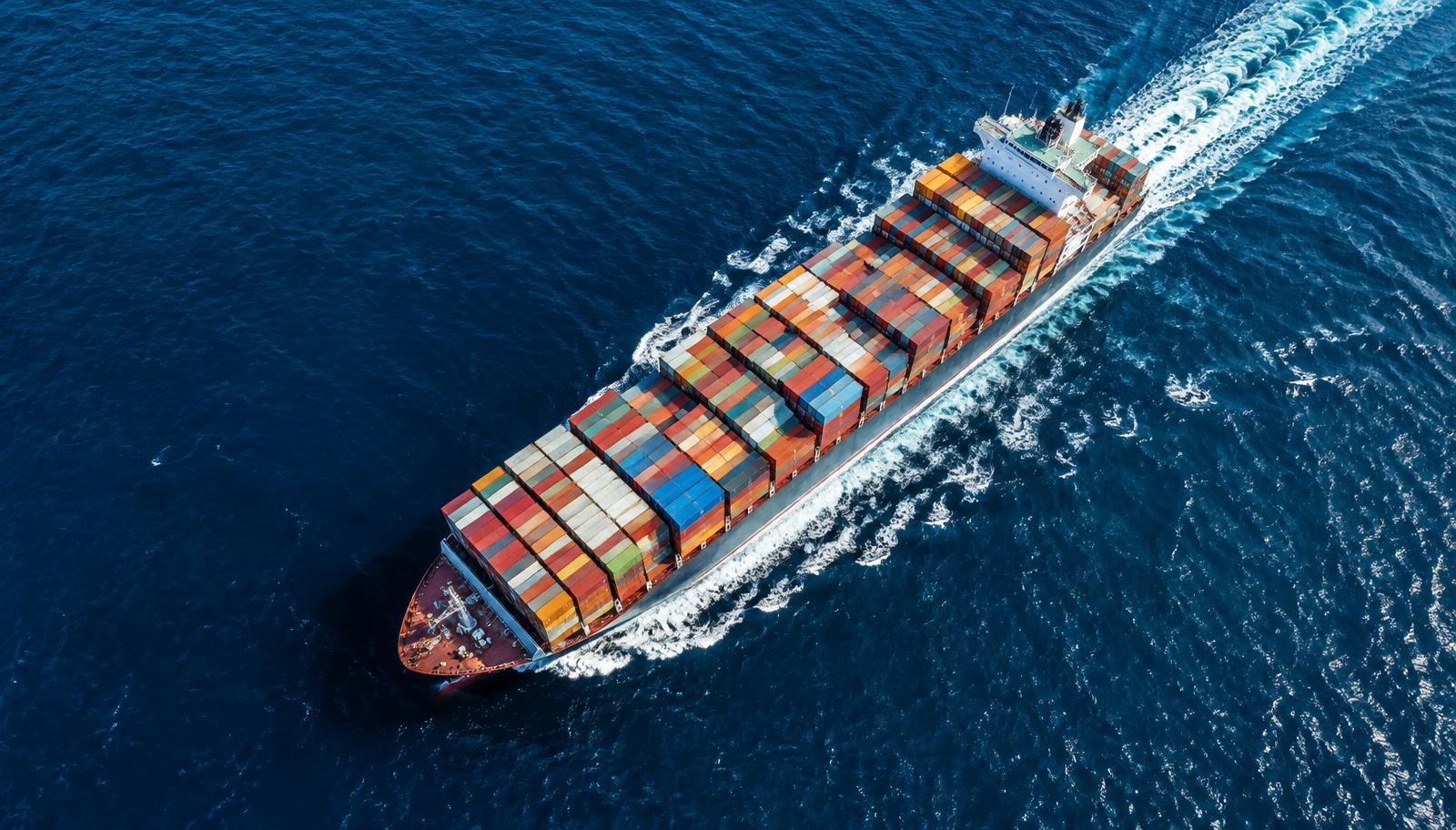
 16 vessels
Medium-haul regional loops with frequent port calls and reefer plugs on every ship.
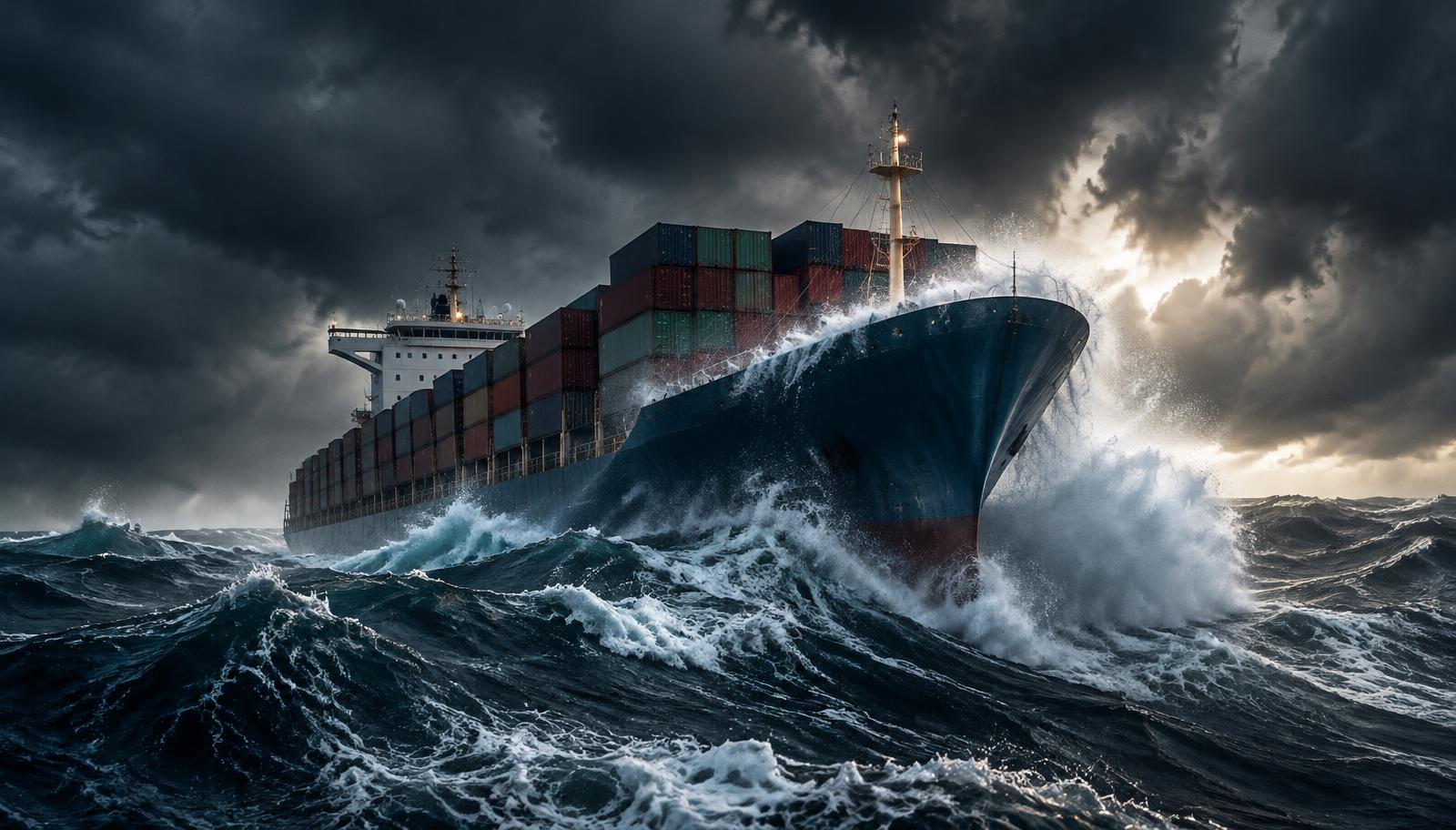 12 vessels
Inter-regional services, including lanes through port and canal restrictions.
9 vesselsCore east–west tonnage for major lanes with deep-water terminals.
7 vesselsOur largest ships, including dual-fuel LNG units, on the highest-volume trunk routes.
Vessel counts and deployment change with maintenance, charters and network planning.
Ocean capacity
Reference
Typical inside dimensions and payloads; exact figures vary by manufacturer and box age.
| Type | Inside L × W × H | Volume | Max payload | Best for |
|---|---|---|---|---|
| 20' dry | 5.90 × 2.35 × 2.39 m | 33 m³ | ≈ 28,200 kg | Heavy, dense cargo |
| 40' dry | 12.03 × 2.35 × 2.39 m | 67 m³ | ≈ 26,700 kg | General cargo |
| 40' high cube | 12.03 × 2.35 × 2.69 m | 76 m³ | ≈ 26,500 kg | Light, bulky cargo |
| 40' reefer high cube | 11.58 × 2.29 × 2.50 m | 67 m³ | ≈ 29,000 kg | −30 °C to +30 °C cargo |
| 20' open top | 5.89 × 2.35 × 2.35 m | 32 m³ | ≈ 28,000 kg | Tall or crane-loaded cargo |
| 40' flat rack | 12.08 × 2.12 × 1.96 m | — | ≈ 39,000 kg | Machinery, vehicles, steel |
| 20' ISO tank | — | 21,000–26,000 L | ≈ 26,000 kg | Liquids and chemicals |
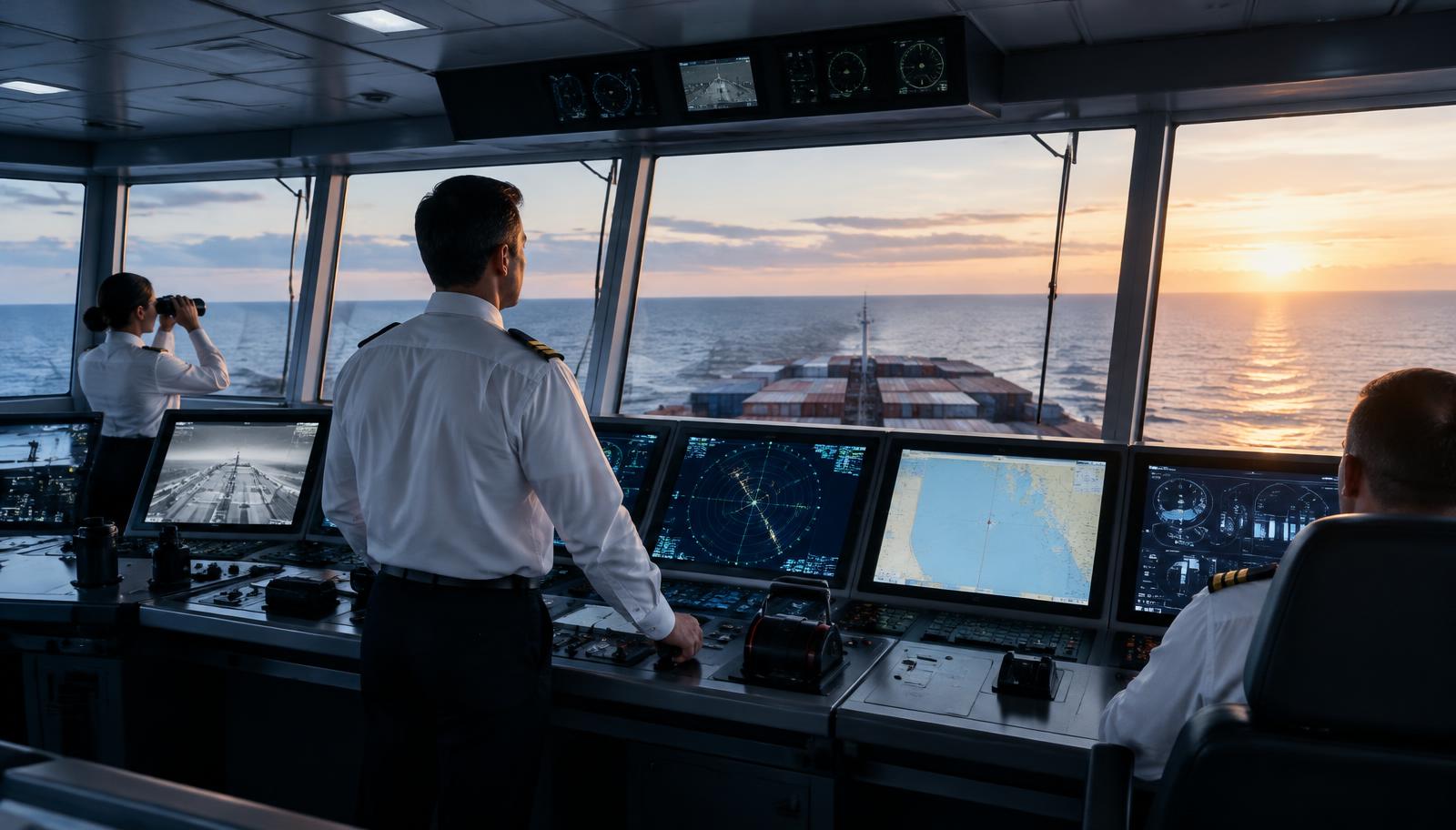
In operation
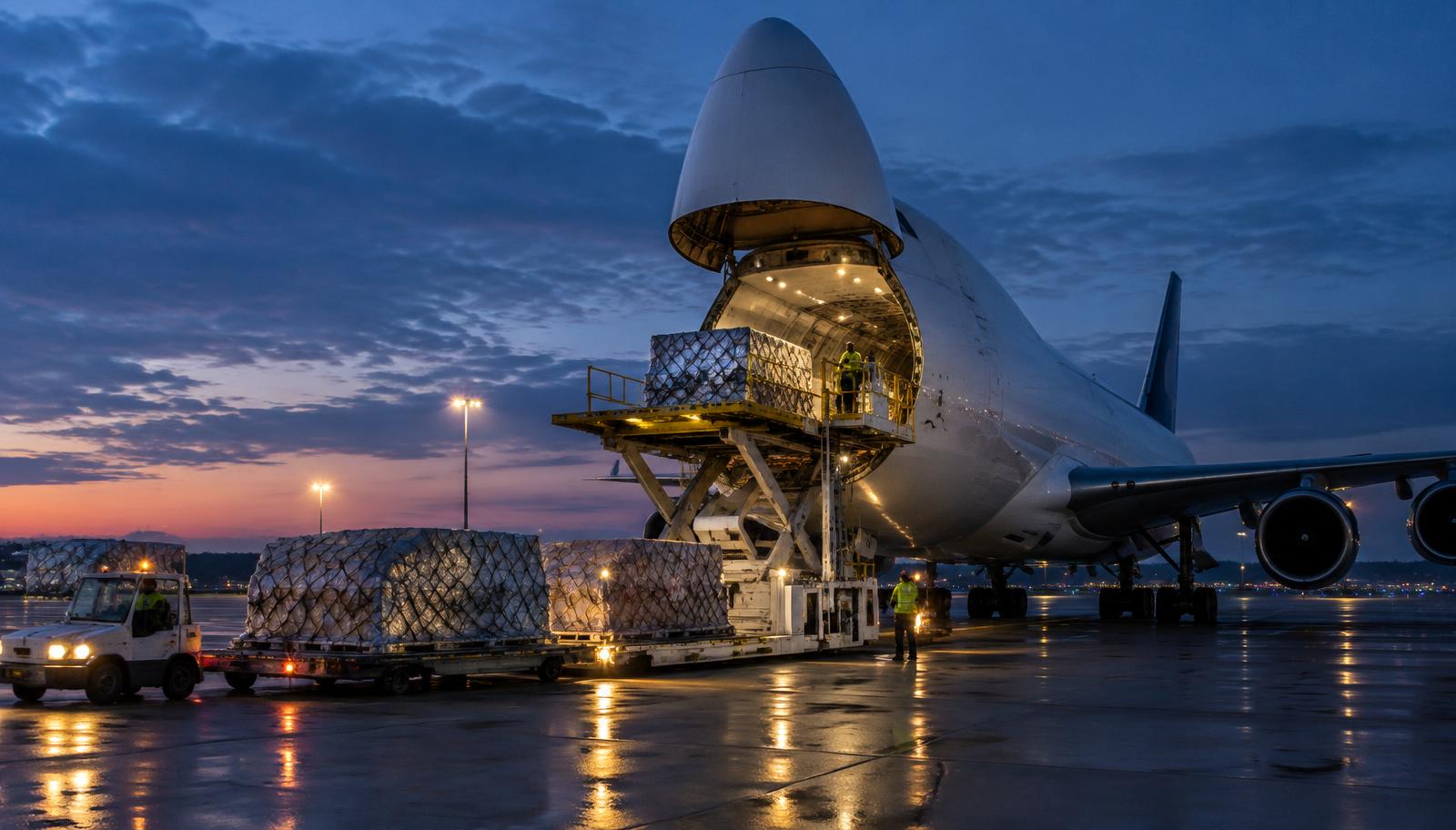
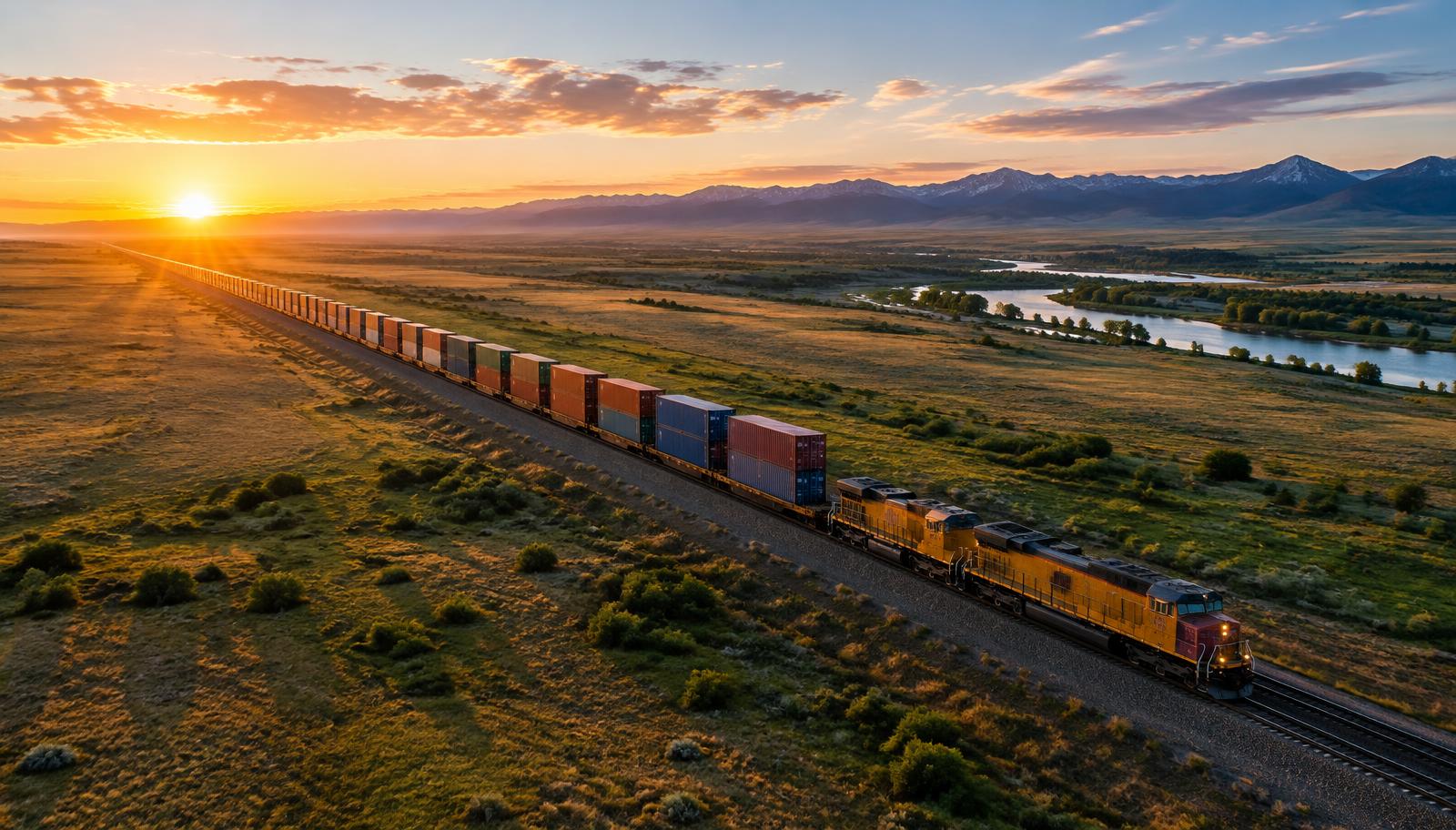
From deep-sea terminals to night-time freighter loading, our planners match each shipment to the right asset.
Container vessel under way
FAQ
Can't find what you're looking for? Our specialists are available around the clock.
Contact our team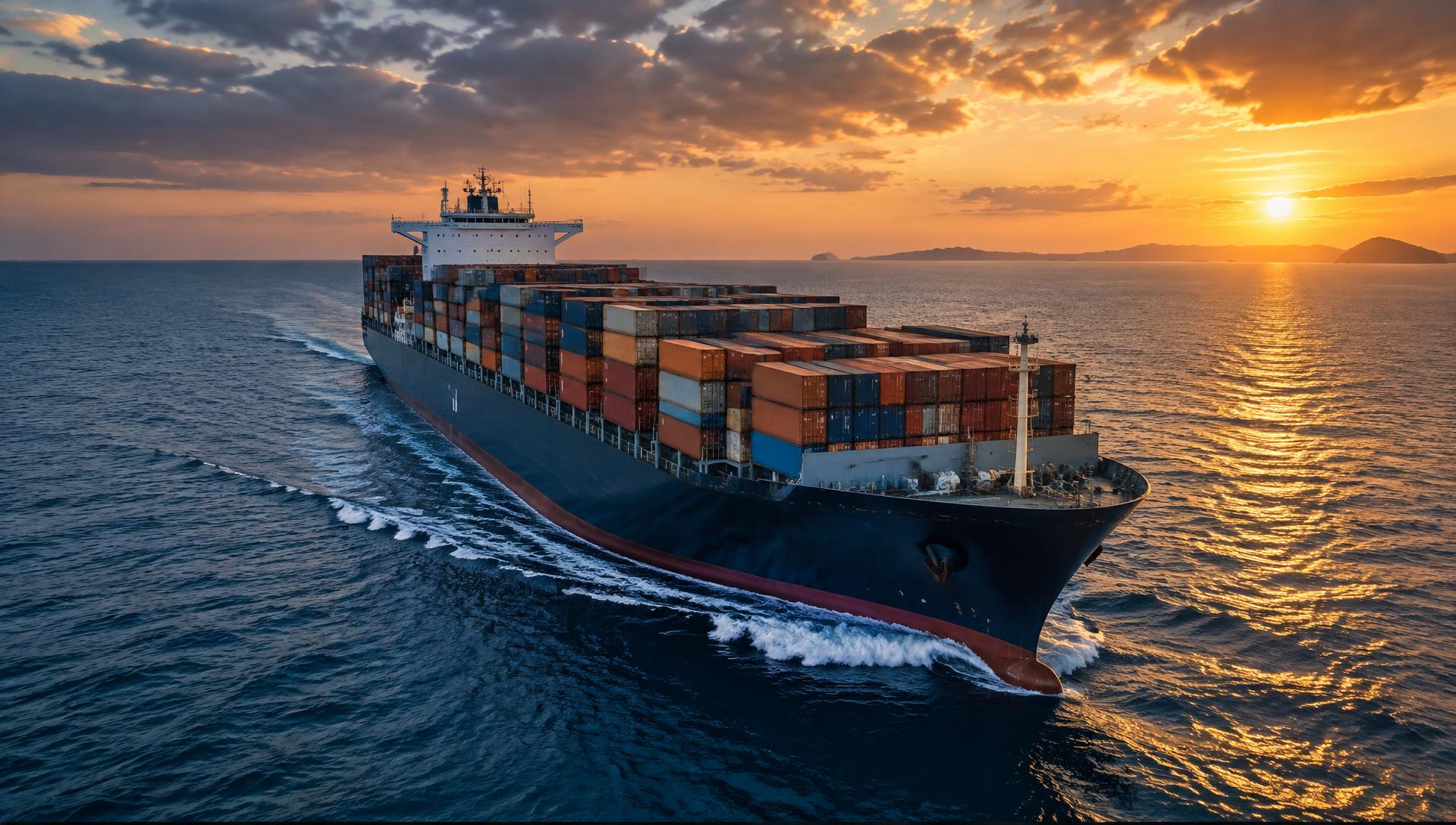
Tell us about your cargo and lane. We'll propose the right vessel, aircraft or truck — and lock in space.