01
Science-informed targets
Interim and long-term targets anchored to a 2019 baseline, expressed as intensity so progress reflects efficiency rather than changes in volume alone.
Overview
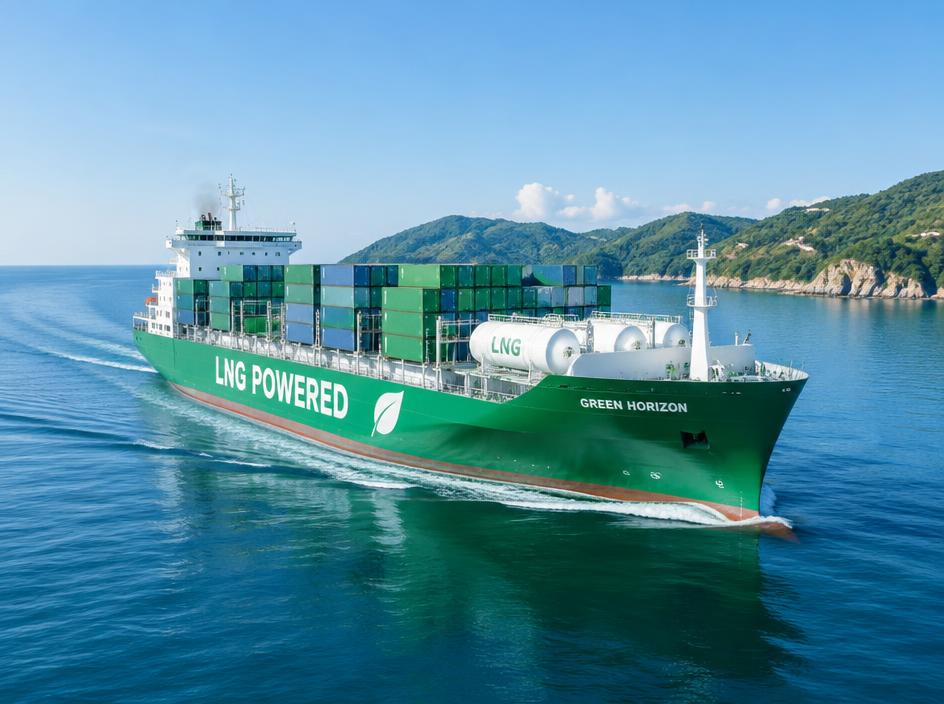
Our roadmap sets a 2050 net-zero ambition for the transport activity we operate and arrange, with an interim target to reduce CO₂ intensity by 40% by 2030 against a 2019 baseline. By 2025 intensity had fallen by 23%, driven mainly by fleet efficiency, network optimisation and early adoption of alternative fuels on selected services.
The pathway is staged. This decade focuses on efficiency: slow steaming where schedules allow, hull and propeller upgrades, route optimisation and higher container utilisation. From 2030, the emphasis shifts towards scaling lower-carbon fuels, expanding dual-fuel tonnage and electrifying terminal and warehouse operations as infrastructure matures.
Each milestone is reviewed annually against measured activity data using GLEC-aligned methods. Where progress depends on fuel availability, technology readiness or regulation outside our control, we say so plainly and adjust plans rather than restate targets without evidence.
2050
Net-zero ambition
How we work
Our teams connect operational decisions with measurable priorities and clear communication.
Interim and long-term targets anchored to a 2019 baseline, expressed as intensity so progress reflects efficiency rather than changes in volume alone.
Speed management, hull coatings, propeller upgrades and voyage optimisation reduce fuel burn per TEU-kilometre across owned and chartered tonnage.
Twelve dual-fuel LNG vessels today, with fleet renewal planned around engines able to use bio-LNG, methanol or other lower-carbon fuels as supply develops.
Fewer empty legs, better transhipment planning and higher container utilisation lower emissions without compromising customer schedules.
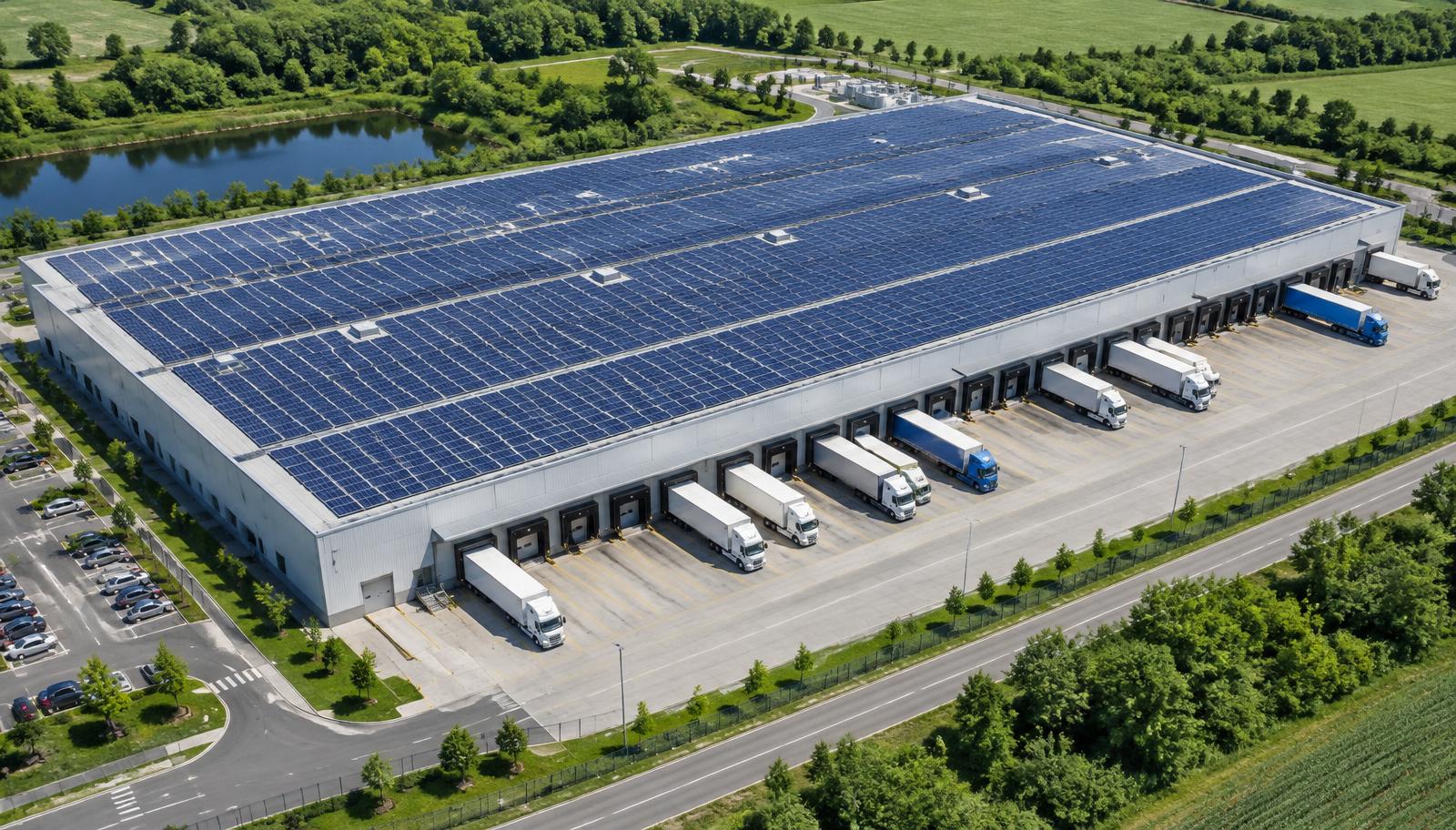
Solar generation, LED lighting and electric handling equipment are being introduced across warehouses and offices to reduce site emissions.
Annual intensity reporting using GLEC-aligned methods, with assumptions and data gaps stated alongside the headline figures.
Performance & context
How it works
A consistent process helps translate priorities into decisions, delivery and review.
Capture origin, destination, transport mode, cargo weight and relevant shipment or service details. Confirm whether the requested estimate covers a single leg or a multi-leg logistics chain.
Identify included activities and lifecycle scope. For comparable logistics-chain reporting, apply consistent boundaries and disclose exclusions, allocation choices and any material data limitations.
Calculate transport activity and apply appropriate mode-specific emissions factors. The GLEC Framework provides logistics emissions accounting guidance and is aligned with ISO 14083 requirements for quantifying and reporting transport-chain emissions.
Check units, assumptions and available data quality, then interpret the result as an estimate. Retain supporting inputs and do not present indicative outputs as independently verified inventory figures.
Reference
| Consideration | Why it matters | Practical response |
|---|---|---|
| Scope | Defines what is included | Agree boundary before comparison |
| Operational context | Availability differs by route and provider | Confirm details with the service team |
| Evidence | Supports credible decisions | Keep source records and assumptions |
| Review | Conditions and data can change | Reassess periodically |
In operation
Our sustainability work depends on collaboration across the logistics chain. Fast Safe Cargo teams can discuss net zero roadmap priorities, operational context and available information for your requirements.

Working together on progress
FAQ
Can't find what you're looking for? Our specialists are available around the clock.
Contact our teamKeep exploring
Our CommitmentHow climate considerations shape our network planning, procurement, operations and governance across 54 countries.
Explore Green Solutions
Lower-emission ocean options using dual-fuel LNG vessels, efficient routing and better utilisation, with emissions data per shipment.
Explore Our Commitment
Annual reporting on our environmental, social and governance performance, with methods and data limitations stated.
Explore
Share your route, operational priorities and reporting needs so we can identify relevant information and practical next steps.