01
Safe workplaces
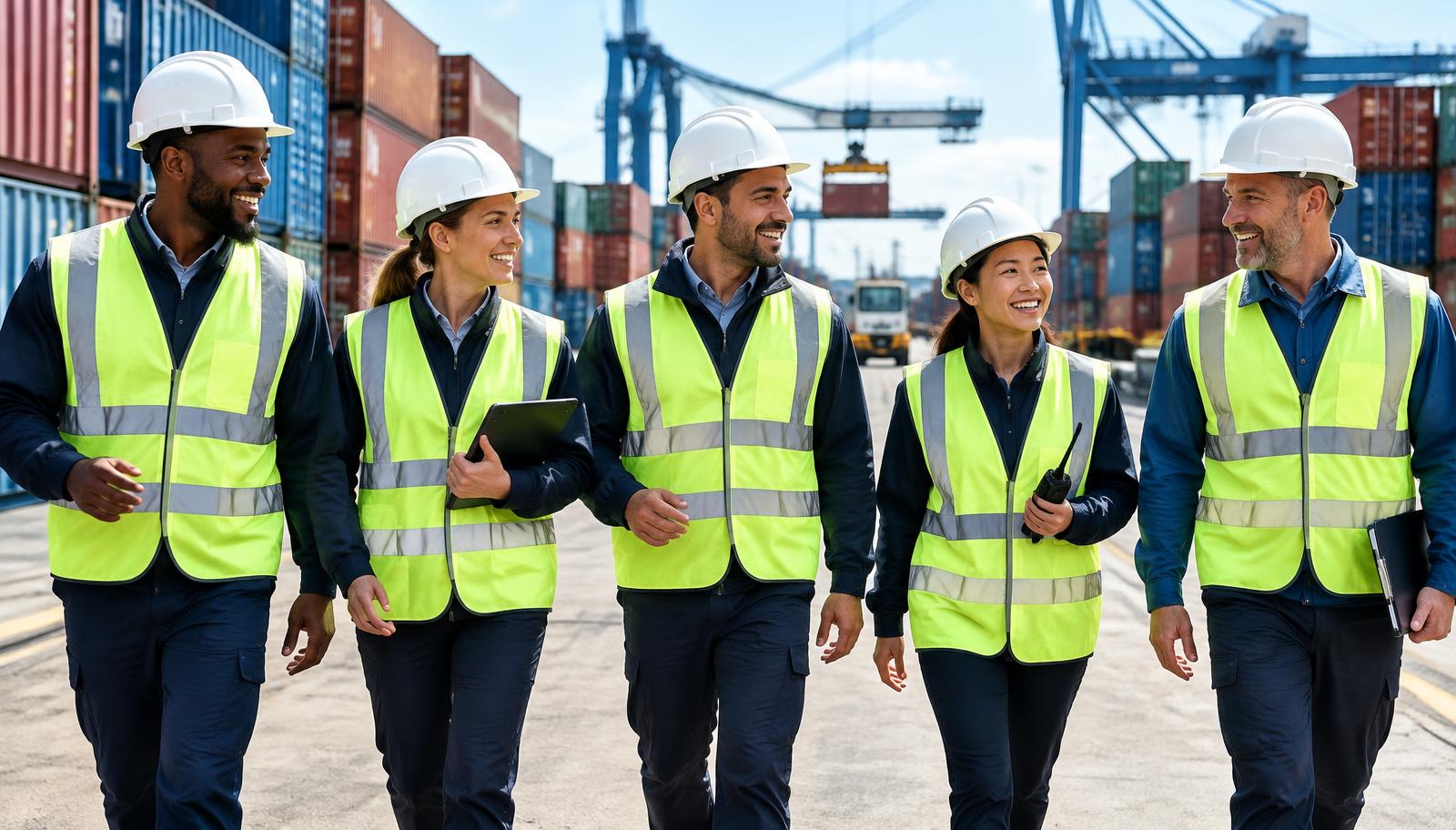
Risk assessment, training and incident learning across offices, warehouses and terminals protect everyone on site.
Overview
Logistics is a people business. Our 6,200 colleagues across 96 offices keep global trade moving, and our social impact starts with their safety, development and wellbeing. Beyond our own workforce, we aim to contribute positively to the port and city communities where we operate.
Workforce priorities include safe working conditions, fair employment practices, structured training and career pathways, and an inclusive culture that reflects the diversity of the markets we serve. Progress is tracked through regular engagement surveys and reported in our ESG disclosures.
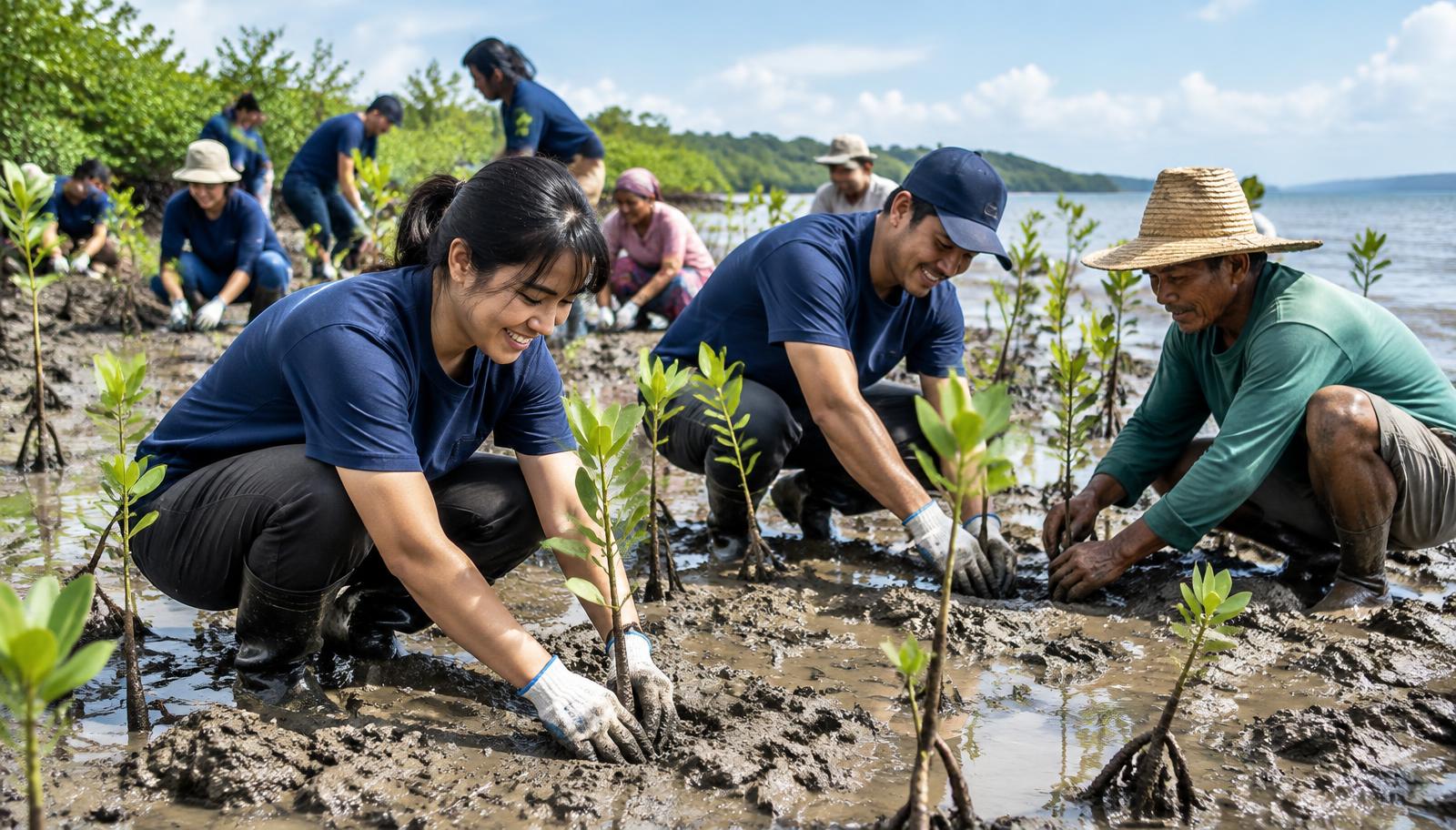
In communities, we focus on logistics skills, education and humanitarian support. Programmes include training partnerships with local institutions, volunteering, and logistics support for relief organisations when disasters strike.
6,200+
employees
How we work
Our teams connect operational decisions with measurable priorities and clear communication.
Risk assessment, training and incident learning across offices, warehouses and terminals protect everyone on site.
Technical and leadership training, graduate programmes and internal mobility help colleagues grow with the business.
Fair recruitment, equal opportunity and a respectful culture across 54 countries and many nationalities.
Engagement surveys and open channels help leadership understand priorities and act on feedback.
Partnerships with schools and training institutions build logistics skills in port communities.
Logistics expertise and capacity support relief organisations responding to emergencies.
Performance & context
How it works
A consistent process helps translate priorities into decisions, delivery and review.
Capture origin, destination, transport mode, cargo weight and relevant shipment or service details. Confirm whether the requested estimate covers a single leg or a multi-leg logistics chain.
Identify included activities and lifecycle scope. For comparable logistics-chain reporting, apply consistent boundaries and disclose exclusions, allocation choices and any material data limitations.
Calculate transport activity and apply appropriate mode-specific emissions factors. The GLEC Framework provides logistics emissions accounting guidance and is aligned with ISO 14083 requirements for quantifying and reporting transport-chain emissions.
Check units, assumptions and available data quality, then interpret the result as an estimate. Retain supporting inputs and do not present indicative outputs as independently verified inventory figures.
Reference
| Consideration | Why it matters | Practical response |
|---|---|---|
| Scope | Defines what is included | Agree boundary before comparison |
| Operational context | Availability differs by route and provider | Confirm details with the service team |
| Evidence | Supports credible decisions | Keep source records and assumptions |
| Review | Conditions and data can change | Reassess periodically |
In operation
Our sustainability work depends on collaboration across the logistics chain. Fast Safe Cargo teams can discuss social impact priorities, operational context and available information for your requirements.
Working together on progress
FAQ
Can't find what you're looking for? Our specialists are available around the clock.
Contact our teamKeep exploring
 People & Planet
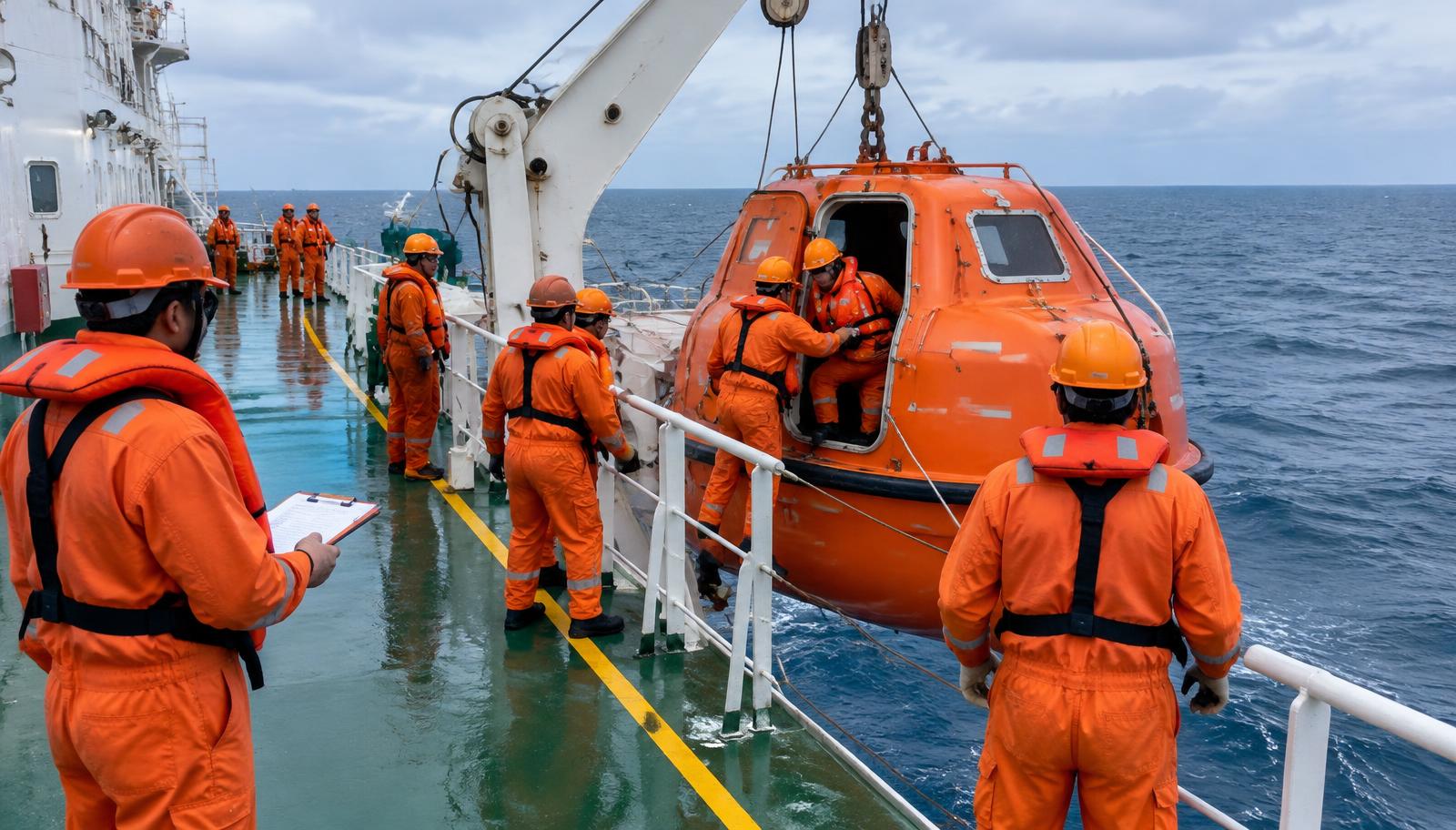
Protecting seafarers, cargo and the marine environment through safety management, training and incident learning across our fleet.
ExplorePeople & PlanetThe ethical, social and environmental standards we expect from carriers, subcontractors and suppliers across our network.
ExploreJoin & ConnectBuild a career connecting global trade with a team focused on safe, dependable logistics.
Explore
Share your route, operational priorities and reporting needs so we can identify relevant information and practical next steps.