Offices

Ocean Freight · Global network

Ocean Freight

Ocean freight connecting global markets with coordinated container, temperature-controlled and specialised cargo services.

moved annually
1.4m TEU
moved annually
schedule reliability (2025)
92%
schedule reliability (2025)
ports called
420+
ports called
countries served
180+
countries served

Overview

One ocean network, multiple cargo solutions

Ocean freight decisions begin with the relationship between cargo volume, sailing frequency and the delivery window at destination. FSC brings containerised, temperature-controlled and specialised movements into one coordinated service portfolio, allowing customers to select a transport model rather than force every consignment into the same pattern. Headquartered in Dubai and founded in 2006, the business connects international shipping requirements with local operating knowledge. Our teams translate purchasing and distribution priorities into practical routing choices, identifying where port access, equipment or onward connections influence the plan.

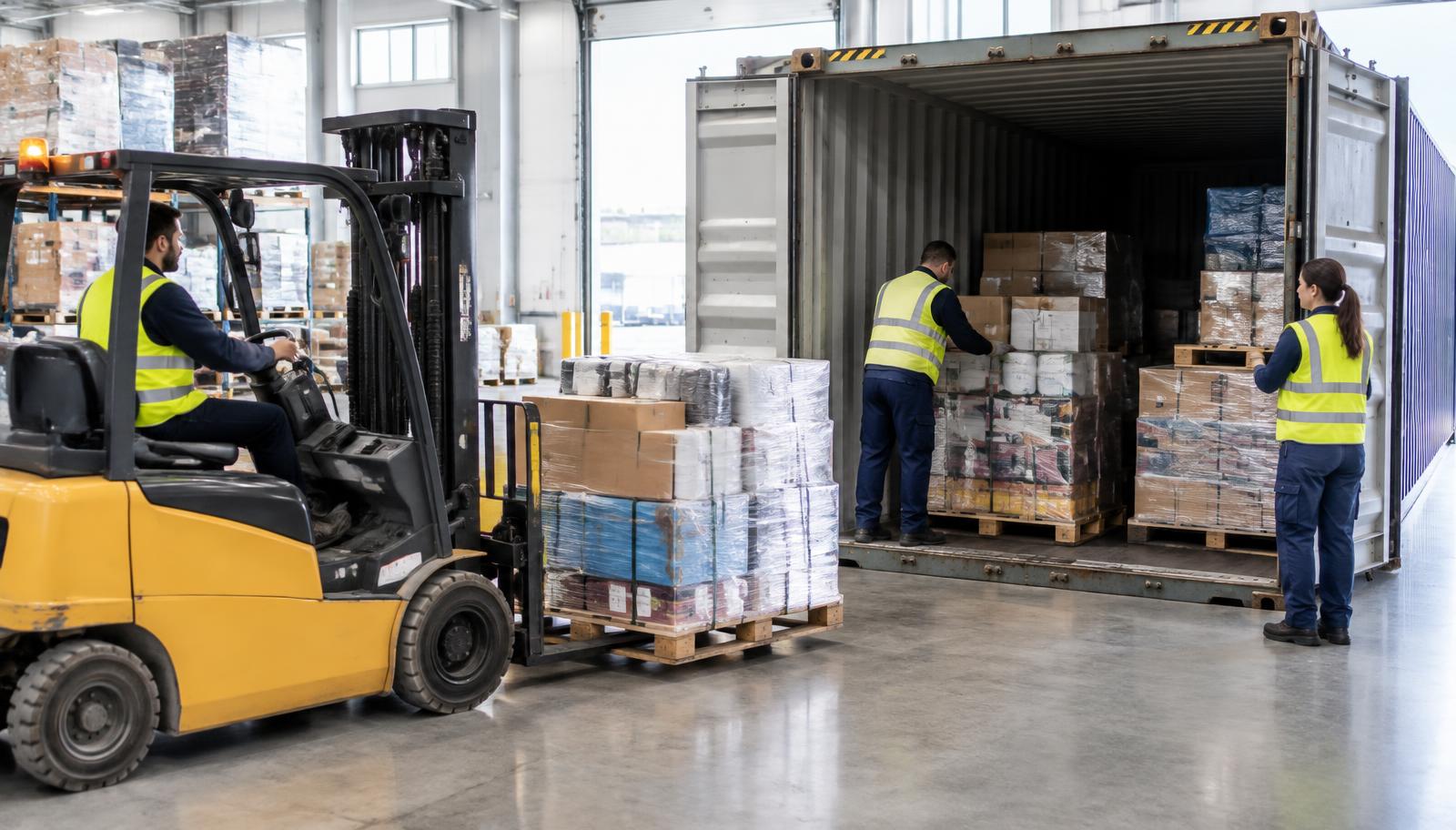
A direct sailing and a transhipment service can create very different inventory requirements, even when both serve the same market. We consider connection points, terminal cut-offs and destination release arrangements alongside the expected voyage duration. FCL may suit regular replenishment, while LCL can accommodate smaller orders and reefer equipment addresses suitable temperature-sensitive products. Where cargo cannot travel in a standard container, specialist handling becomes part of the assessment. The chosen scope establishes who supplies documents, prepares cargo and coordinates each transfer before the booking proceeds.

FSC's ocean operation moves 1.4 million TEU annually across a network calling at more than 420 ports and serving over 180 countries. That reach supports route discussions across established trading corridors and less frequent destinations, but individual sailings still depend on operating conditions and available capacity. Our reported schedule reliability was 92% in 2025, a network measure rather than a promise for a particular shipment. Milestone communication helps customers understand changes to departure, connection or arrival plans and assess the consequences for stock and distribution.

  • FCL and LCL options across international trade lanes
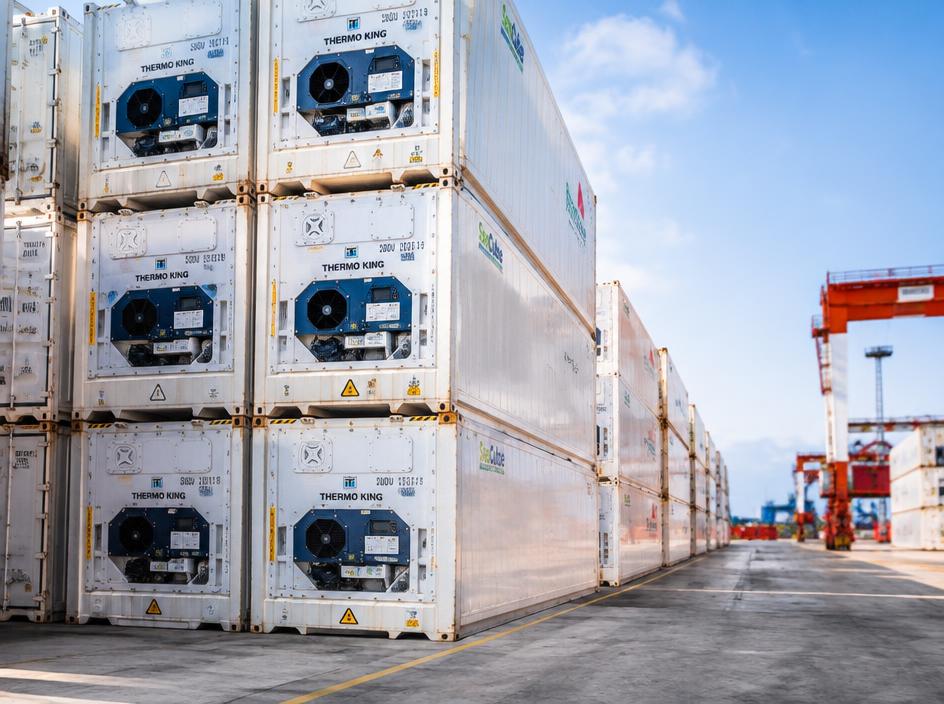
  • Temperature-controlled reefer services for suitable cargo
  • Breakbulk and project cargo coordination
  • Booking, documentation and milestone visibility
  • Optional customs and inland delivery coordination
  • A network spanning 420+ ports

Service design

Control at every stage

Select the operating model that fits cargo volume and handling needs, with coordinated support from booking through destination handover.

01

Global port connectivity

Port selection considers more than geographic proximity: sailing connections, terminal access and inland distances all affect the journey. FSC compares workable gateways for the trade lane and explains where transhipment or local release requirements may influence routing and arrival planning.

02

FCL and LCL choices

Choose dedicated container space for larger consignments or shared capacity when volumes do not justify a full unit. We assess shipment frequency, handling exposure and consolidation timing so the selected model reflects purchasing patterns rather than container size alone.

03

Temperature-sensitive cargo

Temperature-sensitive shipments need product instructions translated into equipment and handling requirements before booking. We establish the required set-point, ventilation needs where applicable and power interfaces, then coordinate reefer arrangements within the agreed scope for the selected ocean service and route.

04

Specialised cargo planning

Oversized, heavy or non-containerised cargo requires an early assessment of dimensions, lifting points and port capability. Our teams bring those details into routing and vessel discussions, identifying specialist handling interfaces before equipment or terminal arrangements are finalised for the movement.

05

Shipment milestone visibility

Departure, transhipment and arrival milestones provide a practical basis for inventory decisions. FSC communicates relevant operational changes through agreed channels and explains known implications, allowing customer teams to reassess collection, production or distribution plans against the latest available shipment information.

06

Integrated inland options

Ocean arrival is only one stage when cargo must reach an inland warehouse or production site. Where included, we coordinate collection and delivery around terminal release, vehicle requirements and receiving hours, with responsibilities defined at both ends of the voyage.

Network insight

Illustrative network capacity by trade lane

Relative scheduled capacity index; planning reference, not a guaranteed allocation.
92%
schedule reliability (2025)
420+
ports called
180+
countries served

How it works

From planning to delivery

A consistent planning sequence connects booking, vessel movement and destination handover while accounting for lane-specific requirements.

  1. 01

    Define the movement

    Share cargo, origin, destination, ready date and delivery requirements. FSC reviews cargo and port constraints, handling needs and trade documentation before recommending a suitable operating plan.

  2. 02

    Confirm the booking

    We align capacity, equipment, cut-offs and routing, then confirm booking information and the milestones that matter. Any assumptions or shipper actions are made visible before cargo handover.

  3. 03

    Prepare and hand over

    Cargo and documents are prepared to the agreed specification, with collection or terminal delivery coordinated where included. Teams verify critical details and resolve discrepancies before departure.

  4. 04

    Monitor the voyage

    FSC follows operational milestones and shares relevant status updates. If port, weather or schedule conditions change, teams assess options and communicate the impact and decisions required.

  5. 05

    Complete delivery

    At destination, local coordination supports clearance and release steps within the agreed scope, followed by onward delivery when arranged. Shipment records provide a clear close-out for customer teams.

Reference

Ocean service selection

Availability and final scope depend on lane, cargo profile and booking confirmation.

OptionBest suited toPlanning considerationCoordination
FCLDedicated container shipmentsContainer type, payload and cut-offsContainer movement
LCLSmaller consignmentsConsolidation schedule and handlingShared space coordination
ReeferTemperature-controlled cargoSet-point, ventilation and plug-in needsCold-chain handover
BreakbulkNon-containerised unitsDimensions, lifting and stowage planPort and equipment coordination

In operation

A connected ocean operation

Explore the operational network behind ocean movements, from vessel planning and port interfaces to the teams coordinating shipment milestones. Visual material illustrates typical operations; actual routing, equipment and handling are confirmed for each booking.

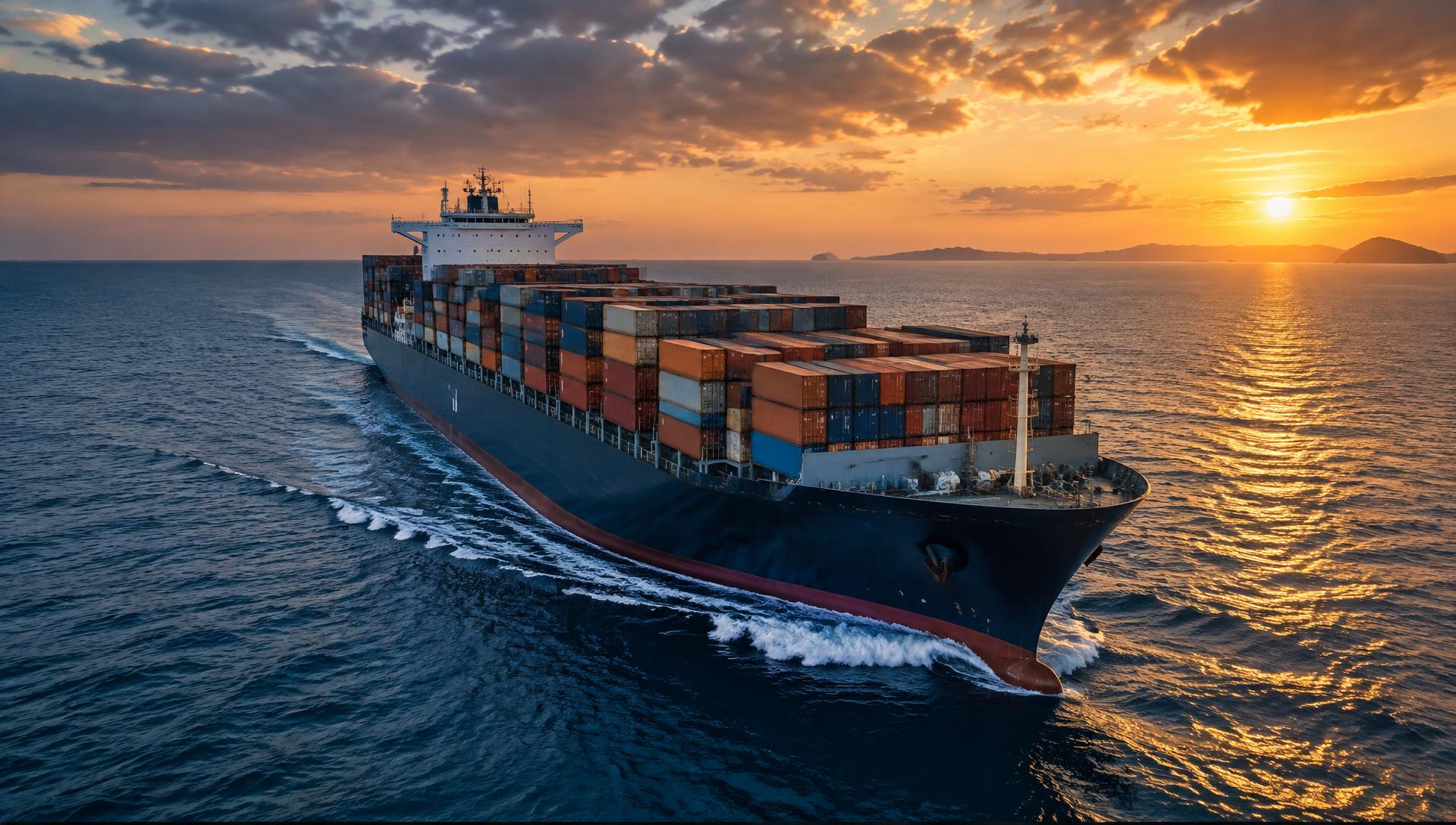
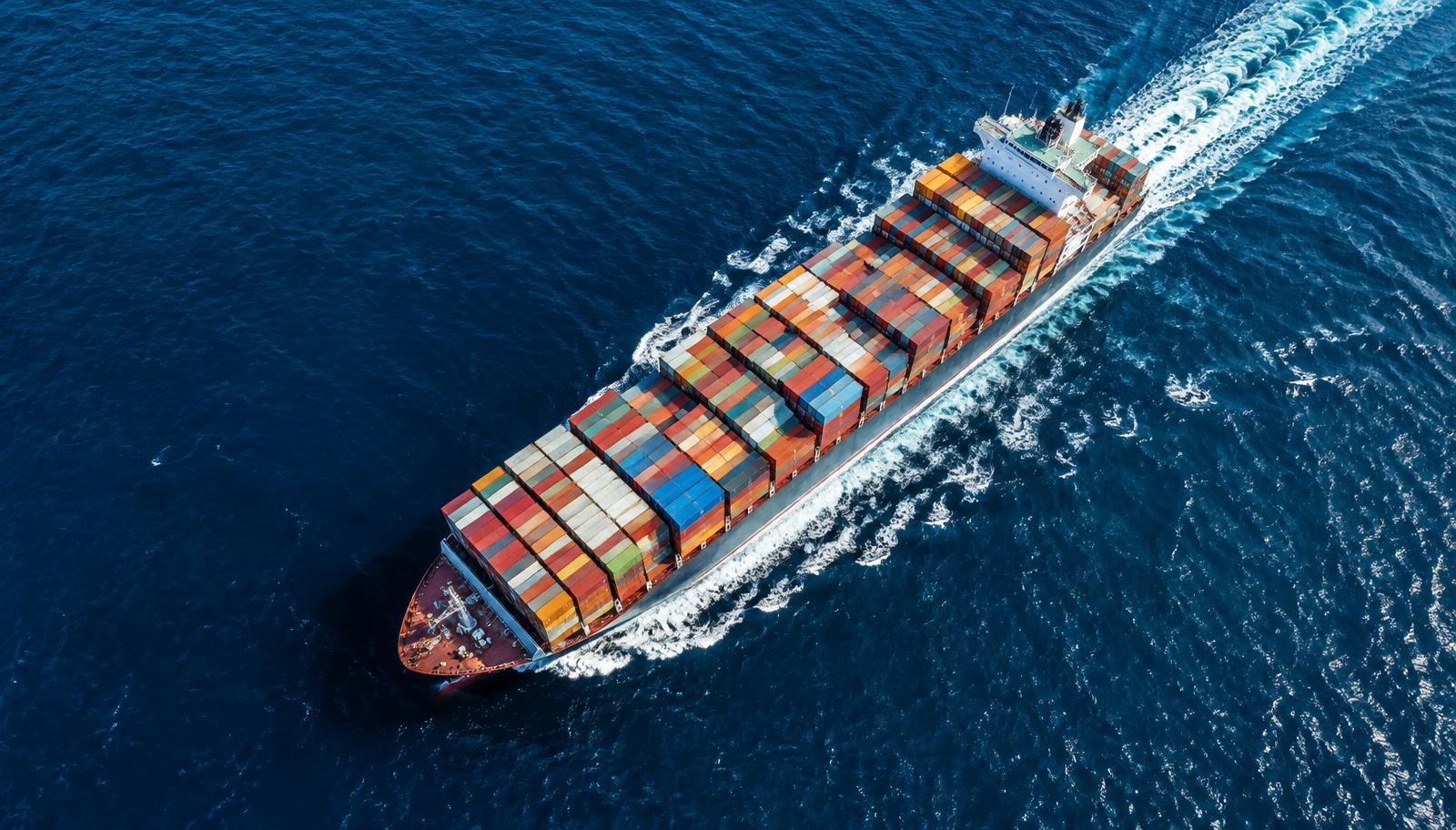
Container vessel under way

Case study

A regional industrial importer

The challenge

A regional importer needed to move mixed container and out-of-gauge cargo across multiple origins while aligning vessel arrivals with constrained site delivery windows.

Our solution

FSC mapped the cargo to appropriate ocean products, consolidated booking milestones and coordinated destination handover and inland planning with the importer’s operations team.

4
origins coordinated
1
integrated shipment plan
92%
network reliability reference

FAQ

Frequently asked questions

Can't find what you're looking for? Our specialists are available around the clock.

Contact our team

Start with shipment volume, cargo characteristics and replenishment frequency. Dedicated containers suit some larger consignments, while shared container services accommodate smaller orders. Temperature-sensitive or oversized goods need different equipment and handling assessments. FSC compares these requirements with available sailings and destination arrangements before recommending an ocean transport model.

Plan your next shipment

Share your origin, destination, cargo profile and required timing; our team will help identify a suitable ocean service.