01
Reduce
Efficiency programmes and fuel transition across vessels, aircraft charters, trucking partners and facilities lower the emissions of the services we provide.
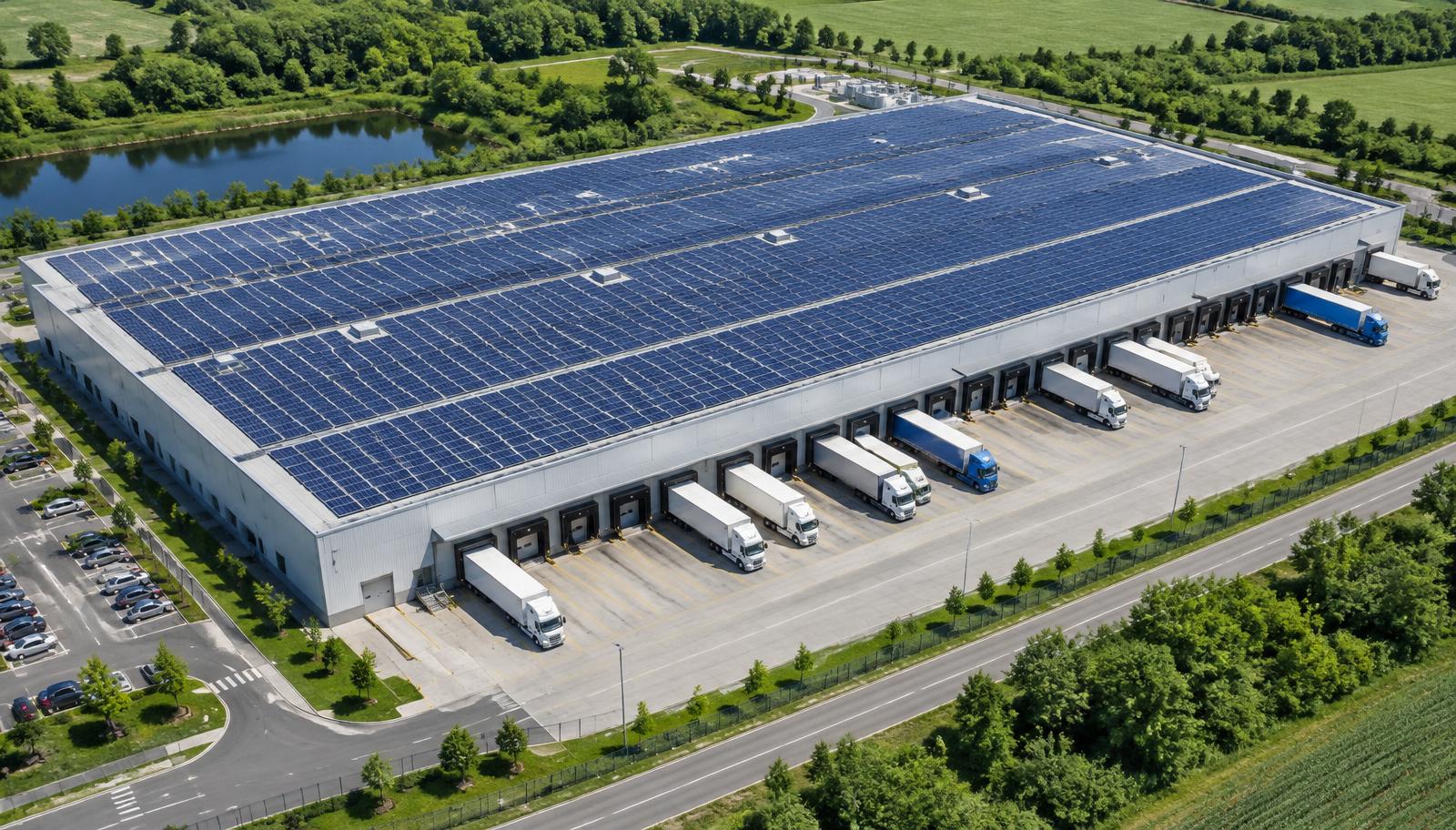
Overview
Climate strategy at Fast Safe Cargo is embedded in the decisions that shape our network: which vessels we deploy, how we plan routes, the partners we contract and the facilities we invest in. Our goal is to make lower-emission choices the default wherever they are operationally sound.
The strategy rests on three priorities. First, reduce our own operational emissions through efficiency and fuel transition. Second, help customers lower supply-chain emissions with data, modal alternatives and lower-carbon options. Third, manage climate-related risks such as extreme weather, port disruption and regulatory change.
Oversight sits with executive leadership, with progress reviewed alongside commercial and safety performance. Climate considerations are part of capital planning, supplier selection and new service design, so commitments are reflected in budgets and operating plans.
2050
Net-zero ambition
How we work
Our teams connect operational decisions with measurable priorities and clear communication.
Efficiency programmes and fuel transition across vessels, aircraft charters, trucking partners and facilities lower the emissions of the services we provide.
Emissions estimates, modal comparisons and lower-carbon options help shippers make informed choices and report supply-chain emissions consistently.
We assess exposure to extreme weather, port congestion and climate regulation, and build contingency into network and capacity planning.
Executive leadership reviews climate performance alongside safety and commercial results, with clear accountability for each priority.
Carriers, terminals and suppliers are engaged on data sharing, efficiency and fuel options, because most emissions sit across the wider chain.
Calculations follow the GLEC Framework and ISO 14083 so results are comparable across modes and with other providers.
Performance & context
How it works
A consistent process helps translate priorities into decisions, delivery and review.
Capture origin, destination, transport mode, cargo weight and relevant shipment or service details. Confirm whether the requested estimate covers a single leg or a multi-leg logistics chain.
Identify included activities and lifecycle scope. For comparable logistics-chain reporting, apply consistent boundaries and disclose exclusions, allocation choices and any material data limitations.
Calculate transport activity and apply appropriate mode-specific emissions factors. The GLEC Framework provides logistics emissions accounting guidance and is aligned with ISO 14083 requirements for quantifying and reporting transport-chain emissions.
Check units, assumptions and available data quality, then interpret the result as an estimate. Retain supporting inputs and do not present indicative outputs as independently verified inventory figures.
Reference
| Consideration | Why it matters | Practical response |
|---|---|---|
| Scope | Defines what is included | Agree boundary before comparison |
| Operational context | Availability differs by route and provider | Confirm details with the service team |
| Evidence | Supports credible decisions | Keep source records and assumptions |
| Review | Conditions and data can change | Reassess periodically |
In operation
Our sustainability work depends on collaboration across the logistics chain. Fast Safe Cargo teams can discuss climate & esg strategy priorities, operational context and available information for your requirements.
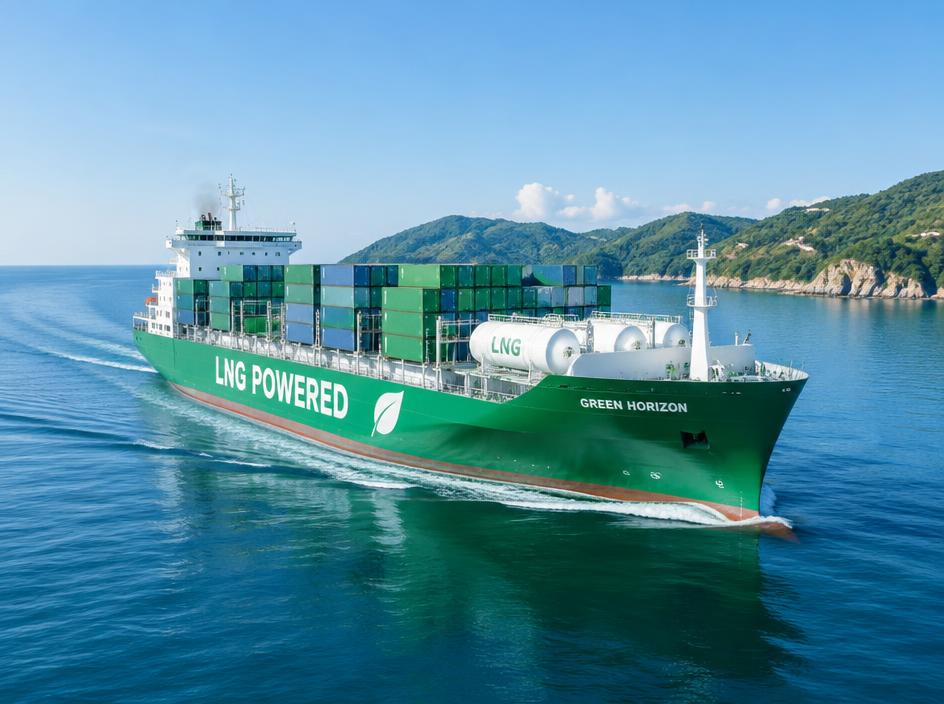
Working together on progress

FAQ
Can't find what you're looking for? Our specialists are available around the clock.
Contact our teamKeep exploring
Our CommitmentOur pathway to net-zero emissions by 2050, with a 40% cut in CO₂ intensity by 2030 against a 2019 baseline.
Explore Our Commitment
Annual reporting on our environmental, social and governance performance, with methods and data limitations stated.
ExplorePeople & PlanetThe ethical, social and environmental standards we expect from carriers, subcontractors and suppliers across our network.
Explore
Share your route, operational priorities and reporting needs so we can identify relevant information and practical next steps.