01
FTL capacity
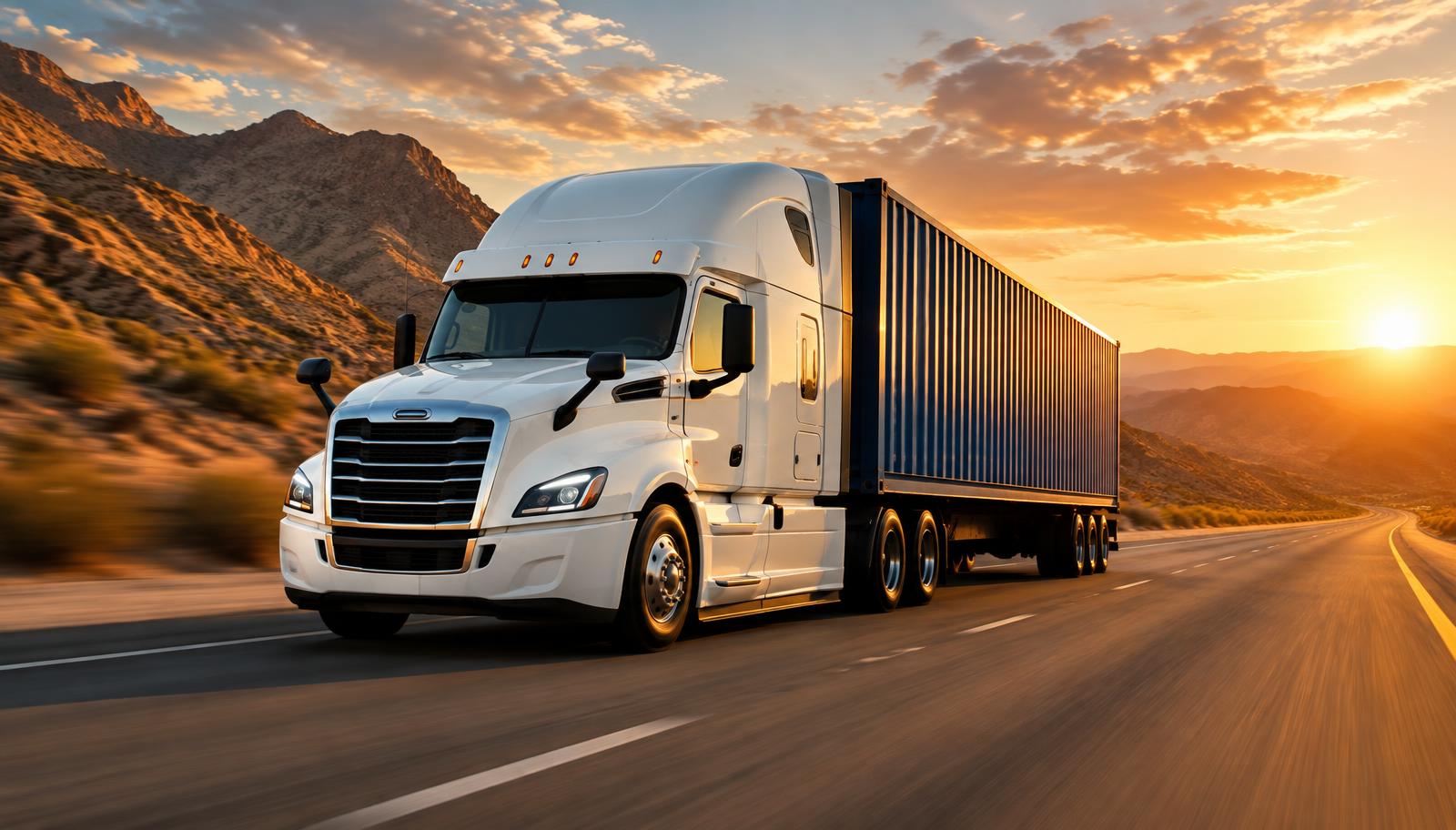
Dedicated truck movements suit shipments requiring direct capacity, specific loading control or a route planned around one consignor and consignee.
Overview
Fast Safe Cargo’s overland transportation offering brings together full truckload, less-than-truckload and intermodal rail options for regional and cross-border supply chains. The mode and service design reflect shipment size, urgency, delivery geography, terminal access and the customer’s preferred balance of cost and transit time.
FTL provides a dedicated vehicle for a shipment or load, while LTL consolidates compatible freight with other consignments through a network. Intermodal rail can support suitable corridor movements, typically paired with road transport at either end. Availability, transit expectations and handling differ by lane and are confirmed during planning.
Teams coordinate collection, line-haul, border requirements, terminal transfers and final delivery within the agreed scope. Clear shipment data and realistic lead times are essential, especially where multiple carriers, countries or transhipments are involved. Customers receive milestones and exception communication across the movement.
Our capabilities
Select the right overland model for load size, corridor, schedule and delivery footprint.
Dedicated truck movements suit shipments requiring direct capacity, specific loading control or a route planned around one consignor and consignee.
Compatible smaller consignments can share network capacity, with service design accounting for handling points and consolidation schedules.
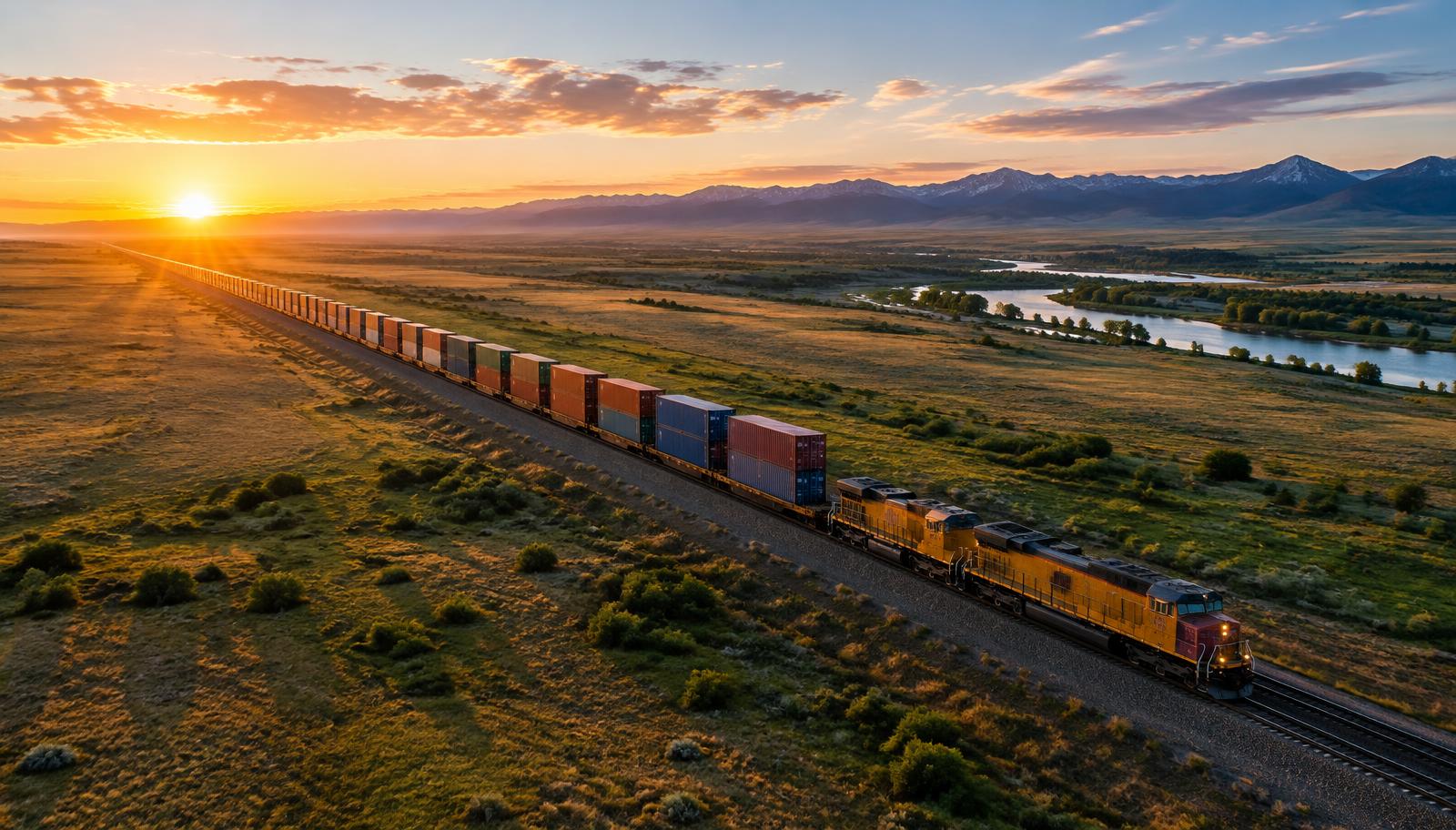
Rail line-haul can be considered on connected corridors, with road legs coordinated to terminal schedules and cargo requirements.
Route selection weighs distance, service frequency, border processing, transhipments and access constraints against delivery priorities.
Shipment and customs data are checked for relevant border processes, helping identify document needs before collection and dispatch.
Milestones across road, rail and terminal handovers help customers plan inventory and respond to schedule changes.
Planning insight
How it works
We compare road and rail structures against the actual shipment and corridor requirements.
Share shipment frequency, dimensions, weight, collection and delivery points, schedule needs and any handling conditions.
Assess FTL, LTL and rail options for capacity, route, transit profile, consolidation points and total service scope.
Agree equipment, collection window, border data, terminal handovers, delivery arrangements and visibility expectations.
Coordinate dispatch and milestones, manage exceptions and review recurring flows for service or network adjustments.
Reference
| Option | Load profile | Network structure | Planning consideration |
|---|---|---|---|
| FTL | Dedicated larger load | Direct or planned stops | Vehicle fit and site access |
| LTL | Smaller compatible shipments | Consolidation and terminal handling | Handling points and frequency |
| Intermodal rail | Suitable planned corridor flows | Rail line-haul plus road legs | Terminal and border connections |
| Combined | Mixed or changing demand | Road and rail by shipment | End-to-end coordination |
In operation
Overland networks combine road capacity, rail corridors and terminal interfaces to connect regional supply chains. The appropriate structure is determined by lane characteristics and cargo requirements.
Operations in motion
Case study
The business moved both regular full loads and smaller regional orders, but relying on a single road service model limited flexibility during demand peaks.
Fast Safe Cargo assessed recurring lane volumes, defined separate FTL and consolidated LTL profiles and reviewed intermodal rail feasibility for suitable planned flows.
FAQ
Can't find what you're looking for? Our specialists are available around the clock.
Contact our teamKeep exploring
Air & MultimodalReliable inland trucking connects ports, airports, terminals, warehouses and delivery locations across domestic and cross-border routes.
ExploreAir & MultimodalRail freight solutions connect major trade corridors with coordinated terminal handling, shipment visibility and onward transport planning.
Explore Air & Multimodal
One coordinated logistics plan connects collection at origin with delivery to the named destination, across modes and handovers.
Explore
Speak with Fast Safe Cargo about overland transportation requirements, routing options and an operating scope tailored to your shipment.