01
Response coordination
Establish cargo priorities, required dates, decision contacts and shipment scope with the relief organisation before capacity is committed.
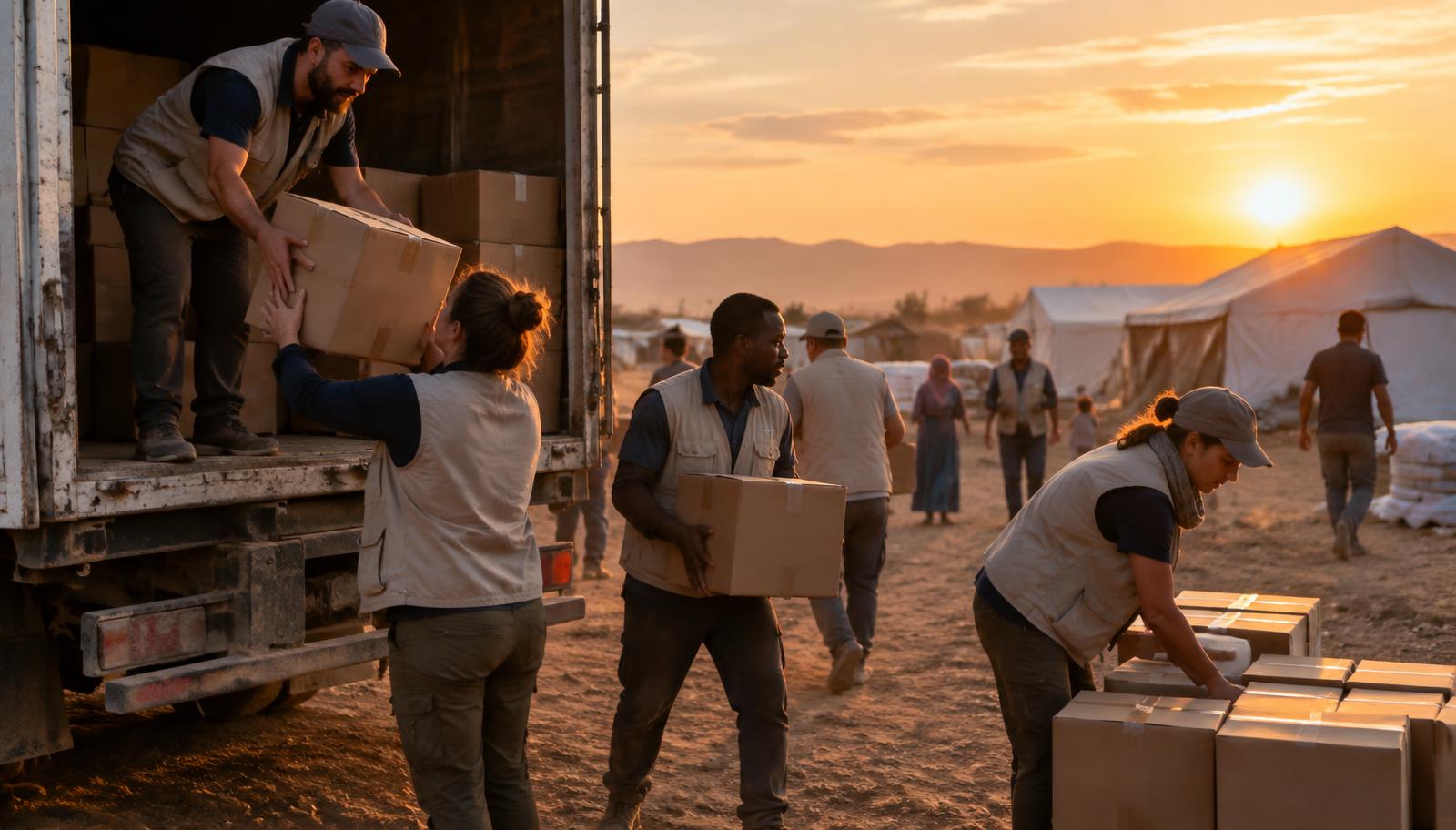
Overview
Humanitarian supply chains operate under urgent, changing conditions and often serve locations with constrained infrastructure. Medical supplies, shelter materials, water systems, food and response equipment each bring distinct handling, temperature, documentation and delivery requirements. FSC coordinates available air, ocean and inland options with the relief organisation and local partners, prioritising clear scope, feasible routing and timely information exchange.
Relief cargo planning needs more than a transport booking. Consignee readiness, customs procedures, import permissions, receiving capacity, security conditions and last-mile access must be considered alongside urgency. Where appropriate, FSC can review partner-air connections and dedicated charter programmes, ocean capacity and warehouse interfaces. Availability, access and delivery dates depend on conditions and must be confirmed for each request.
Our approach is designed to support accountable coordination while respecting the role of humanitarian agencies and public authorities. Customers remain responsible for needs assessment, aid allocation, product suitability and local permissions. FSC coordinates agreed logistics tasks, communicates known milestones and escalates material changes, while avoiding promises of access or outcomes beyond the control of the transport network.
Integrated logistics
Relief operations require realistic routing, clear responsibilities and a focus on the destination handover. We align logistics options with the organisation’s priorities and available operating conditions.
Establish cargo priorities, required dates, decision contacts and shipment scope with the relief organisation before capacity is committed.
Review partner-air connections and dedicated charter programmes for urgent cargo, subject to aircraft, route, handling and regulatory acceptance.
Consider ocean and multimodal capacity for larger consignments where transit time, port access and destination inventory planning permit.
Coordinate consignee, customs, import approvals and receiving arrangements with local partners, recognising that access conditions can change.
Support shipment grouping and priority plans based on customer-provided cargo lists, readiness, urgency and handling requirements.
Share agreed milestones and escalation messages so authorised relief contacts can adjust plans when schedules or access conditions change.
Planning perspective
How it works
An effective response plan starts with essential shipment facts and confirms the receiving chain before cargo departs.
Share cargo list, urgency, readiness, destination, consignee, handling requirements and the operational contact authorised to make decisions.
Review available modes, route conditions, capacity, security information, customs process and destination receiving capability with partners.
Align export and import documents, licences where required, delivery responsibilities, cost scope and escalation contacts before booking.
Coordinate carrier and local handovers, share available milestones and escalate material schedule, access or documentation changes.
Obtain available proof of delivery, report outstanding exceptions and support the customer’s operational and funding close-out requirements.
Reference
| Cargo type | Priority consideration | Potential mode | Destination check |
|---|---|---|---|
| Medical supplies | Temperature, shelf life and urgency | Air / controlled ocean | Import permits and storage |
| Shelter materials | Volume, packing and delivery access | Ocean / inland | Warehouse and distribution capacity |
| Food and nutrition | Expiry, commodity rules and handling | Air / ocean | Import clearance and recipient readiness |
| Water and sanitation equipment | Weight, dimensions and installation needs | Ocean / project cargo | Site access and technical support |
| Emergency response equipment | Readiness and rapid delivery | Air / charter / inland | Security, receiving and operating permissions |
In operation
Humanitarian supply chains connect international transport with local receiving and distribution. Images represent logistics contexts; access, delivery and operational conditions vary by response.
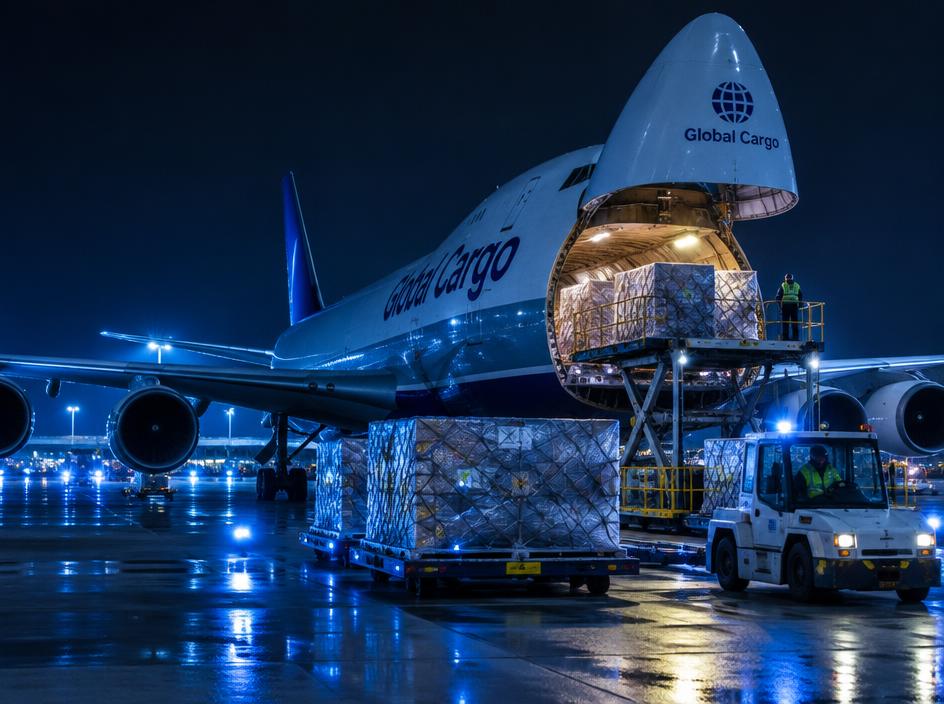
Designed around the cargo


Case study
A rapid response required medical and shelter consignments from several origins, with uncertain receiving windows and changing destination access.
FSC coordinated a prioritised cargo list, assessed multimodal options, aligned documentation and kept the organisation’s authorised response contacts informed of milestones and exceptions.
FAQ
Can't find what you're looking for? Our specialists are available around the clock.
Contact our teamKeep exploring
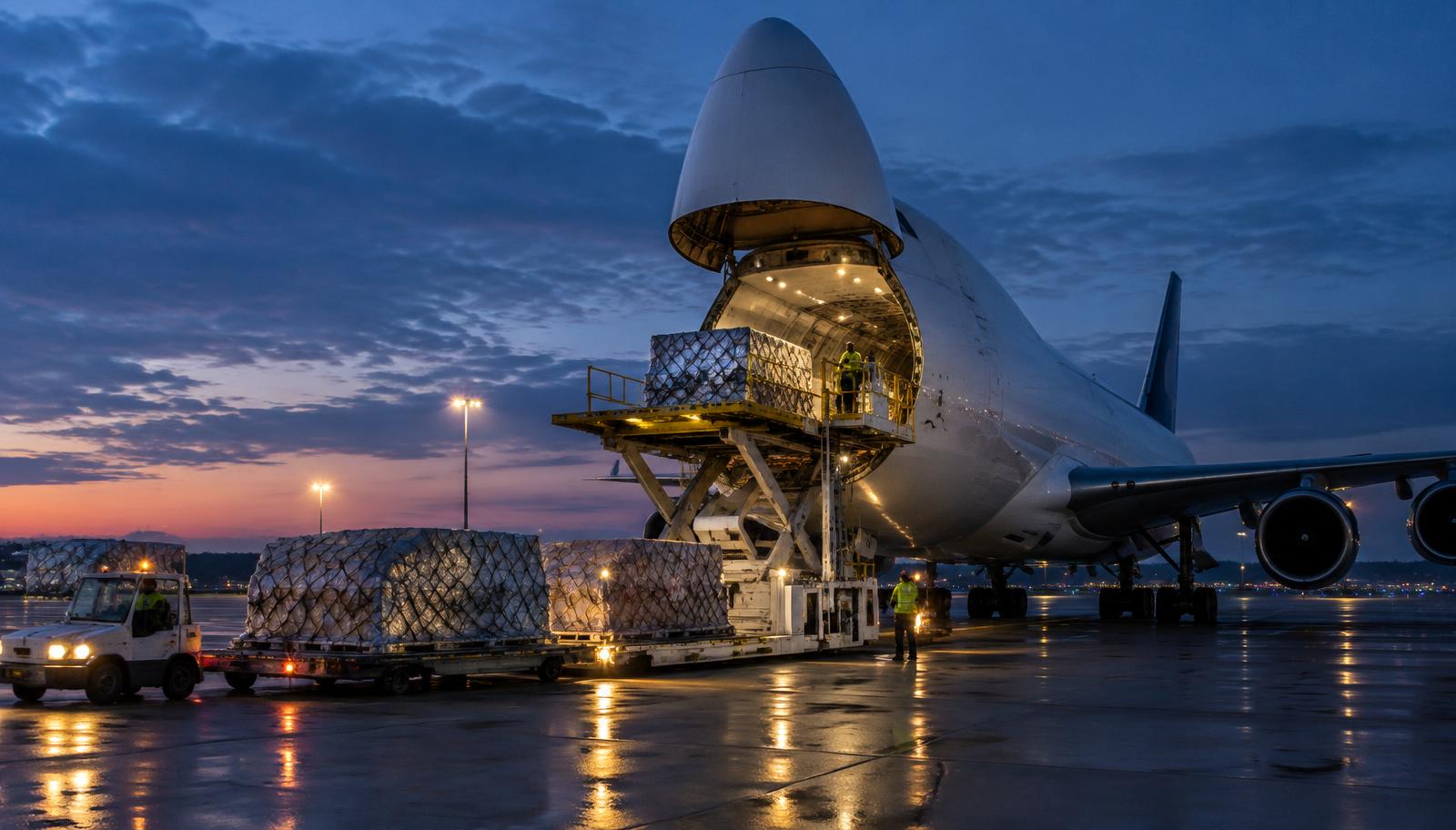 Air & Multimodal
Flexible air freight, from express and charter capacity to temperature-controlled handling, coordinated across 1,200+ weekly flight connections.
Explore Air & Multimodal
One coordinated logistics plan connects collection at origin with delivery to the named destination, across modes and handovers.
Explore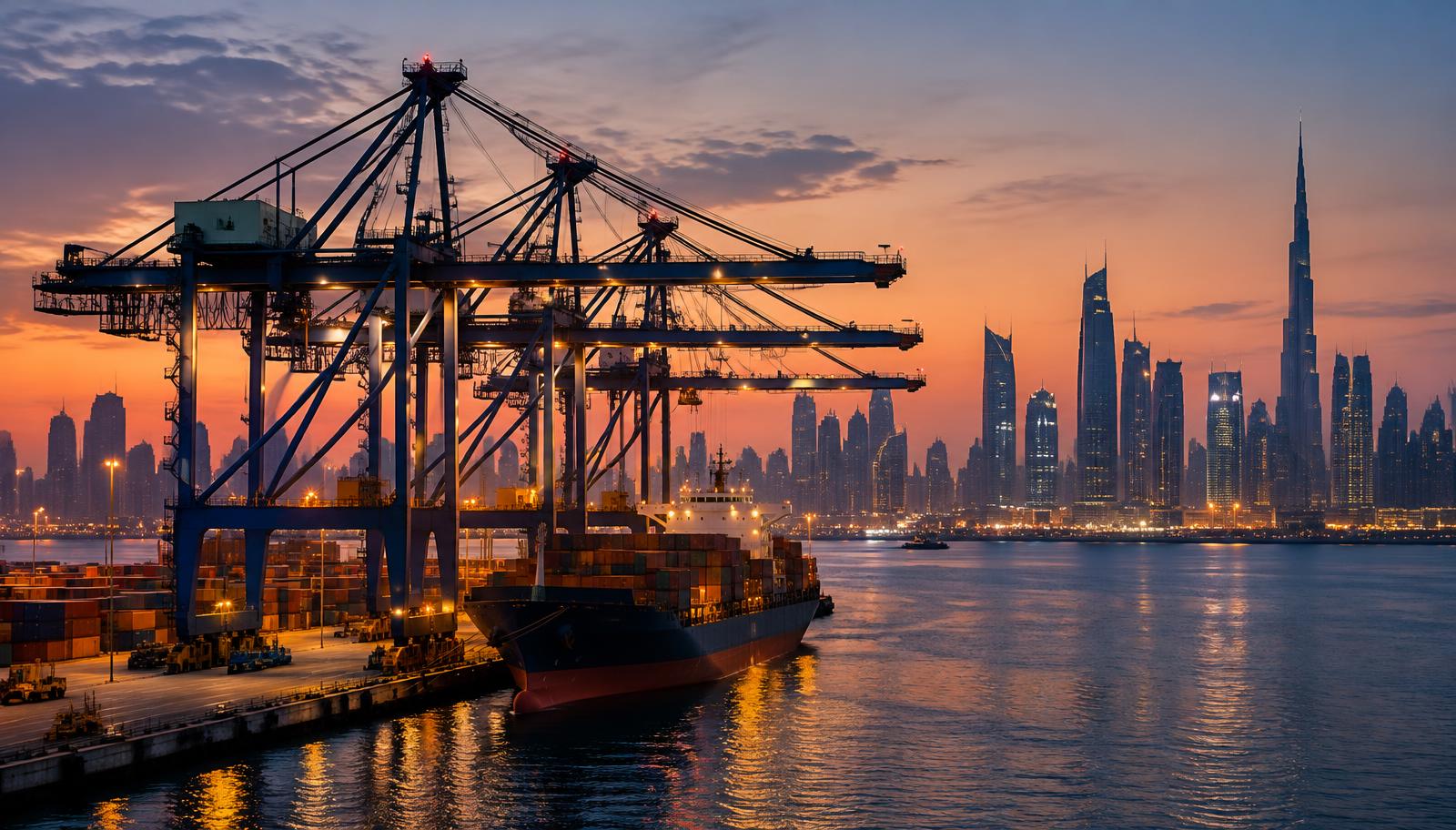 Regions
Connect cargo across the Middle East and Africa through established port gateways, regional expertise and coordinated multimodal services.
Explore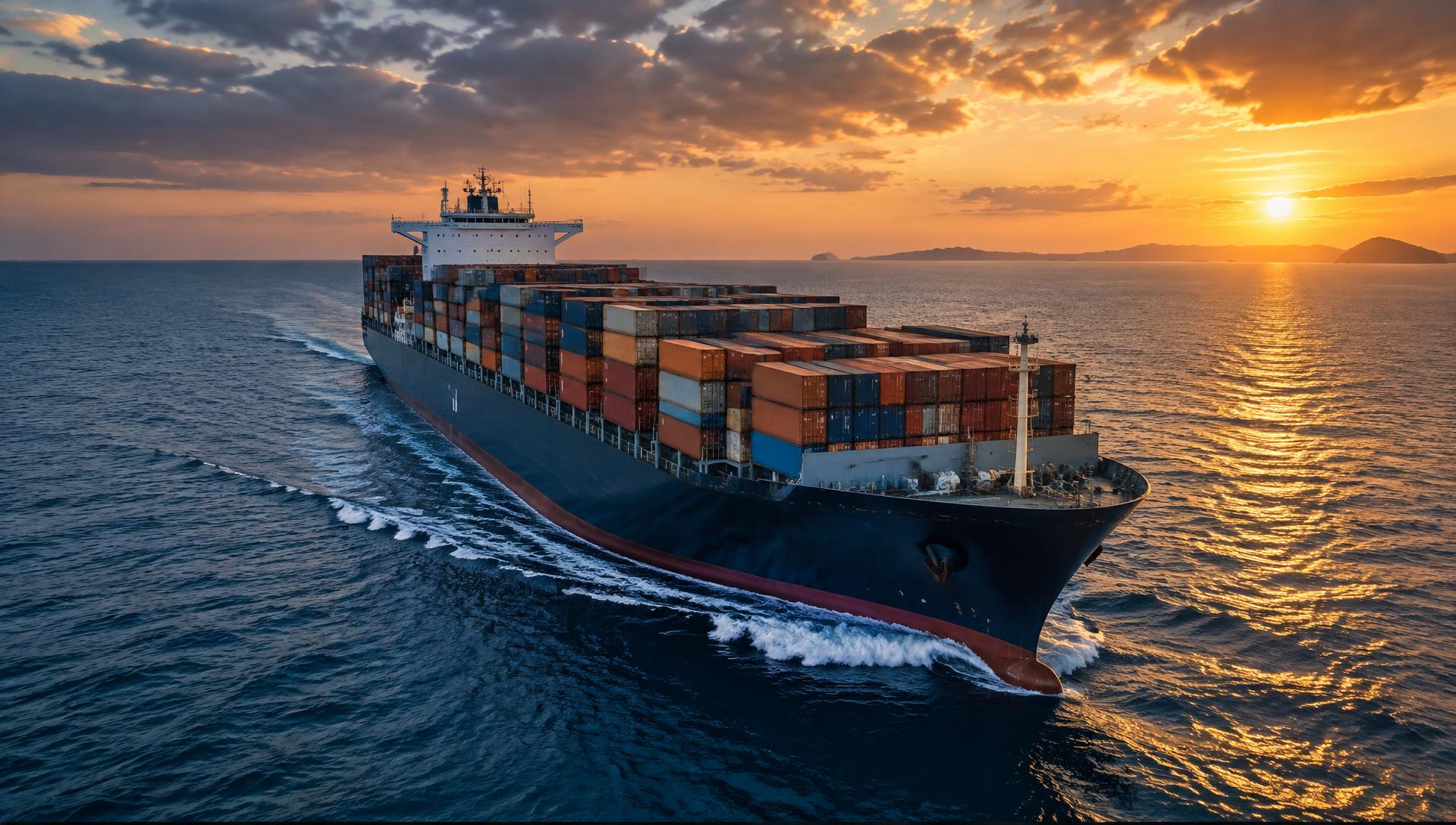
Share your route, cargo profile and delivery requirements with our team to develop a practical, compliant logistics plan.