01
Fleet capacity
FSC’s 58 owned and chartered vessels range from 1,700 to 15,000 TEU, with partner capacity extending network options.
Overview
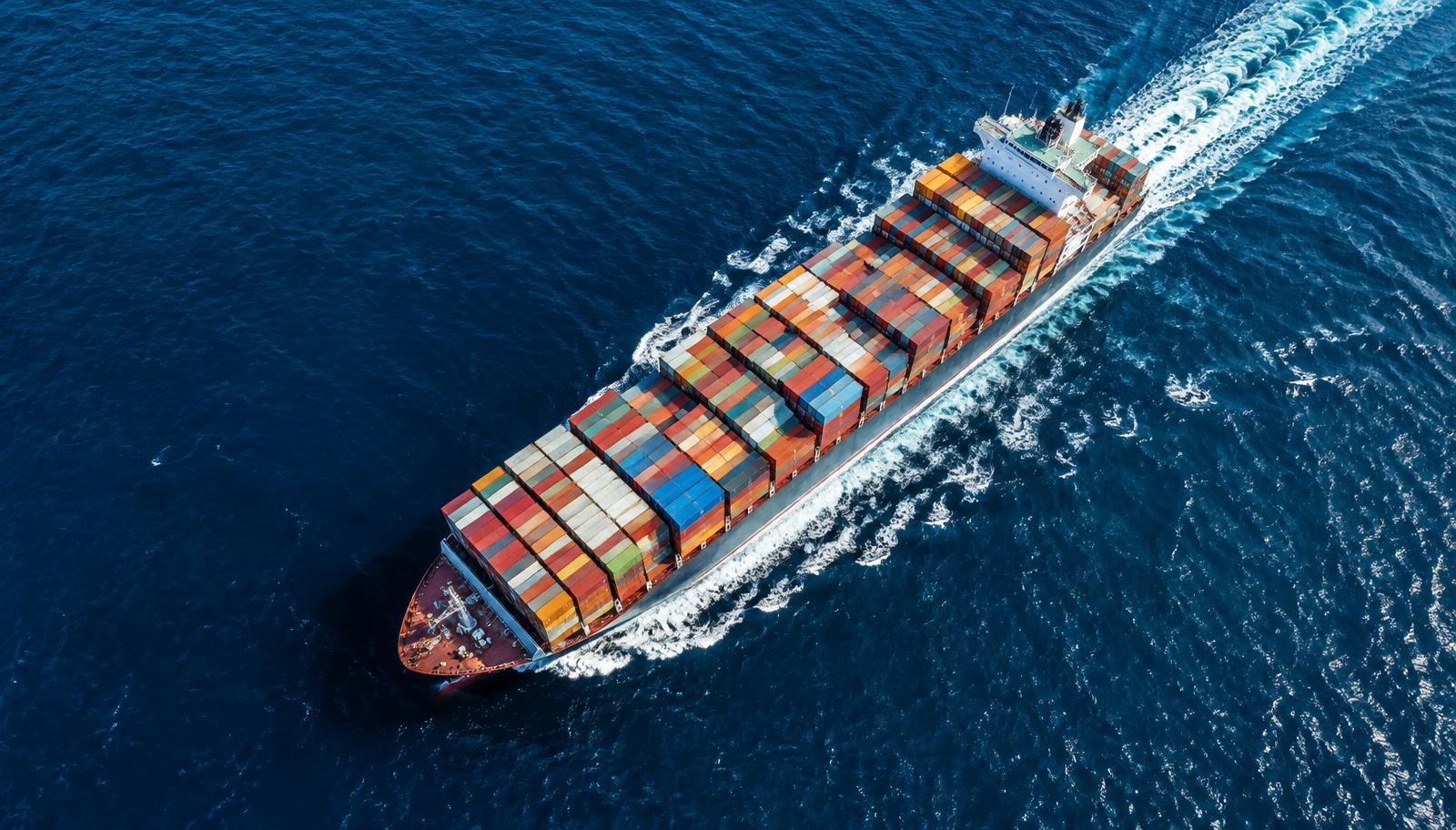
Fast Safe Cargo operates a fleet of 58 owned and chartered vessels, ranging from 1,700 to 15,000 TEU, and moves 1.4 million TEU per year. Vessel deployment and service patterns vary by trade lane; partner capacity complements the fleet to connect a wider range of origins and destinations.
A route may be direct or include one or more transhipments. The best option depends on required timing, origin and destination access, equipment, cargo type and current schedules. Our teams review these elements together and communicate the planned service, expected milestones and relevant cut-offs before booking.
Schedule reliability was 92% in 2025. This is a network-level measure, not a guarantee for an individual voyage. Weather, port congestion, operational changes and other factors can affect schedules. FSC shares material service updates and coordinates alternatives where available and appropriate.
12
dual-fuel LNG vessels
Route planning
Clear routing information supports better decisions on shipment timing, connections and cargo readiness.
FSC’s 58 owned and chartered vessels range from 1,700 to 15,000 TEU, with partner capacity extending network options.
Review origin and destination gateways, service patterns and feasible connections for the lane and shipment profile.
Align cargo readiness and documentation cut-offs with the planned sailing and any connecting service requirements.
Identify connection points and planned hand-offs, recognising that port and carrier conditions can affect the itinerary.
Coordinate shipment events and communicate relevant changes to the teams responsible for the movement.
Twelve vessels are dual-fuel LNG capable as part of the fleet; operating fuel and emissions depend on vessel and voyage.
Service performance
How it works
Each booking is checked against a current service plan rather than relying on a generic route description.
Provide origin, destination, container requirements, commodity, cargo readiness and any special handling instructions.
The team reviews port pairs, vessel schedules, partner options and feasible connection points for the required dates.
Align space, equipment, documentation deadlines and cargo delivery timing with the selected service.
Follow planned milestones and receive updates when schedule, connection or operational conditions change.
Reference
| Planning element | FSC network reference | What it means for your booking | Confirmation |
|---|---|---|---|
| Vessel fleet | 58 owned and chartered | Capacity across a range of vessel sizes | Assigned service confirmed by lane |
| Vessel size | 1,700–15,000 TEU | Vessel deployment varies by route | Equipment and schedule subject to availability |
| Dual-fuel capability | 12 vessels | Fleet capability does not imply assignment | Voyage-specific details on request |
| Annual volume | 1.4 million TEU | Network scale across annual movements | Not a lane-level capacity commitment |
| Port coverage | 420+ ports called | Gateway options depend on schedule | Current port pair confirmed at booking |
In operation
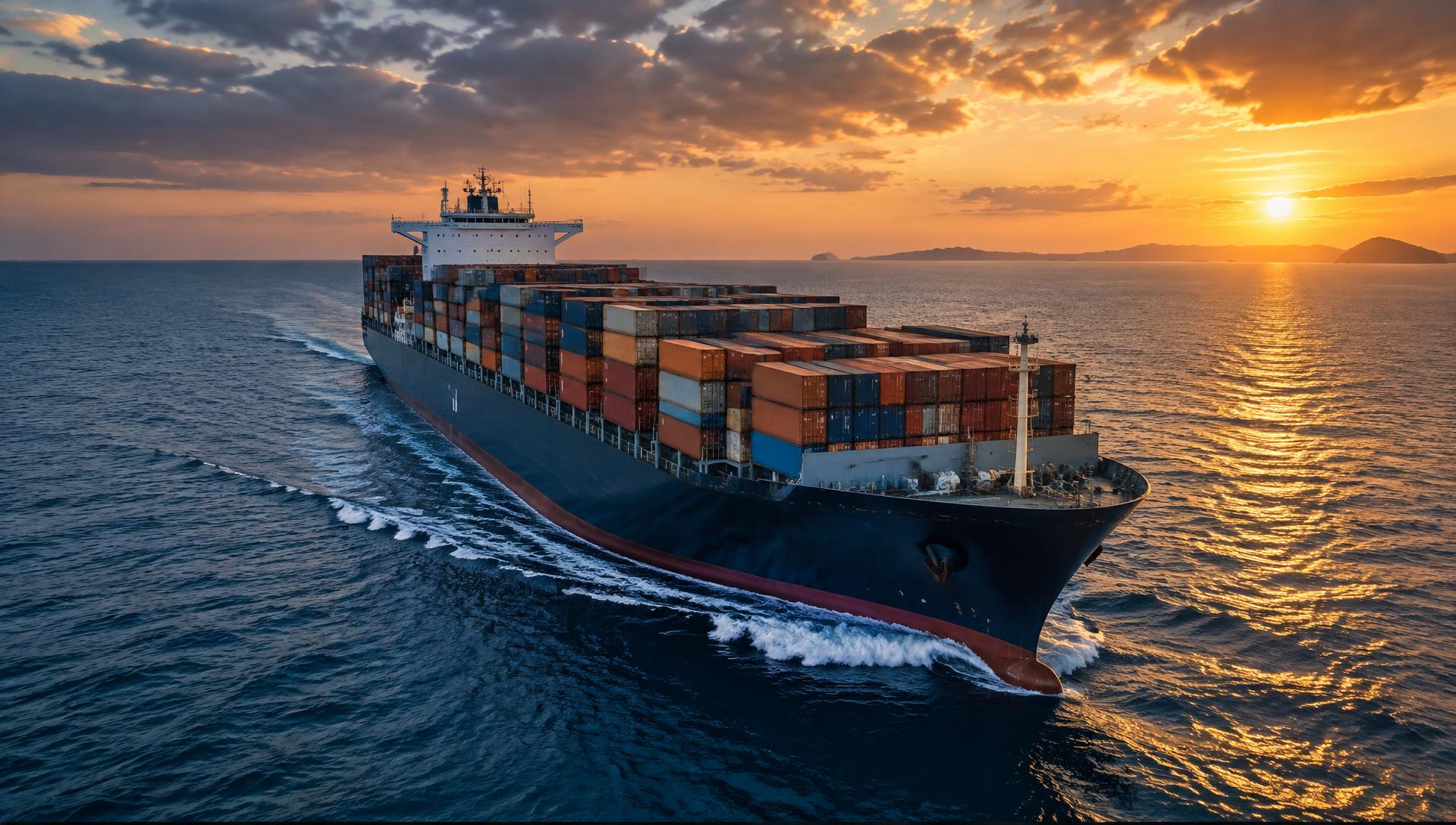
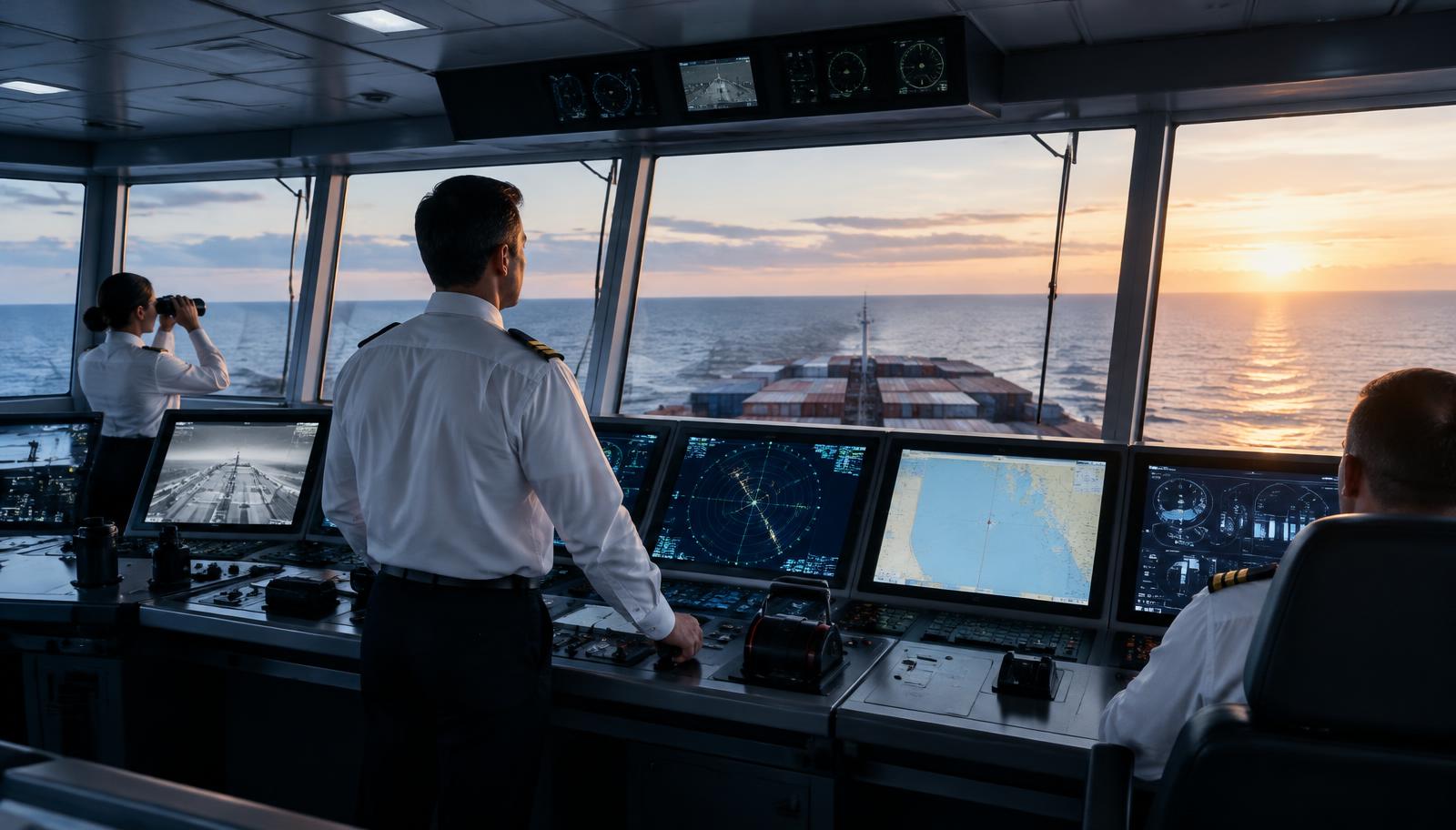
Vessels and port operations form the backbone of international container movements. FSC coordinates each booking against available services and cargo requirements.
Container vessel under way
FAQ
Can't find what you're looking for? Our specialists are available around the clock.
Contact our teamKeep exploring
Ocean FreightOcean freight connecting global markets with coordinated container, temperature-controlled and specialised cargo services.
Explore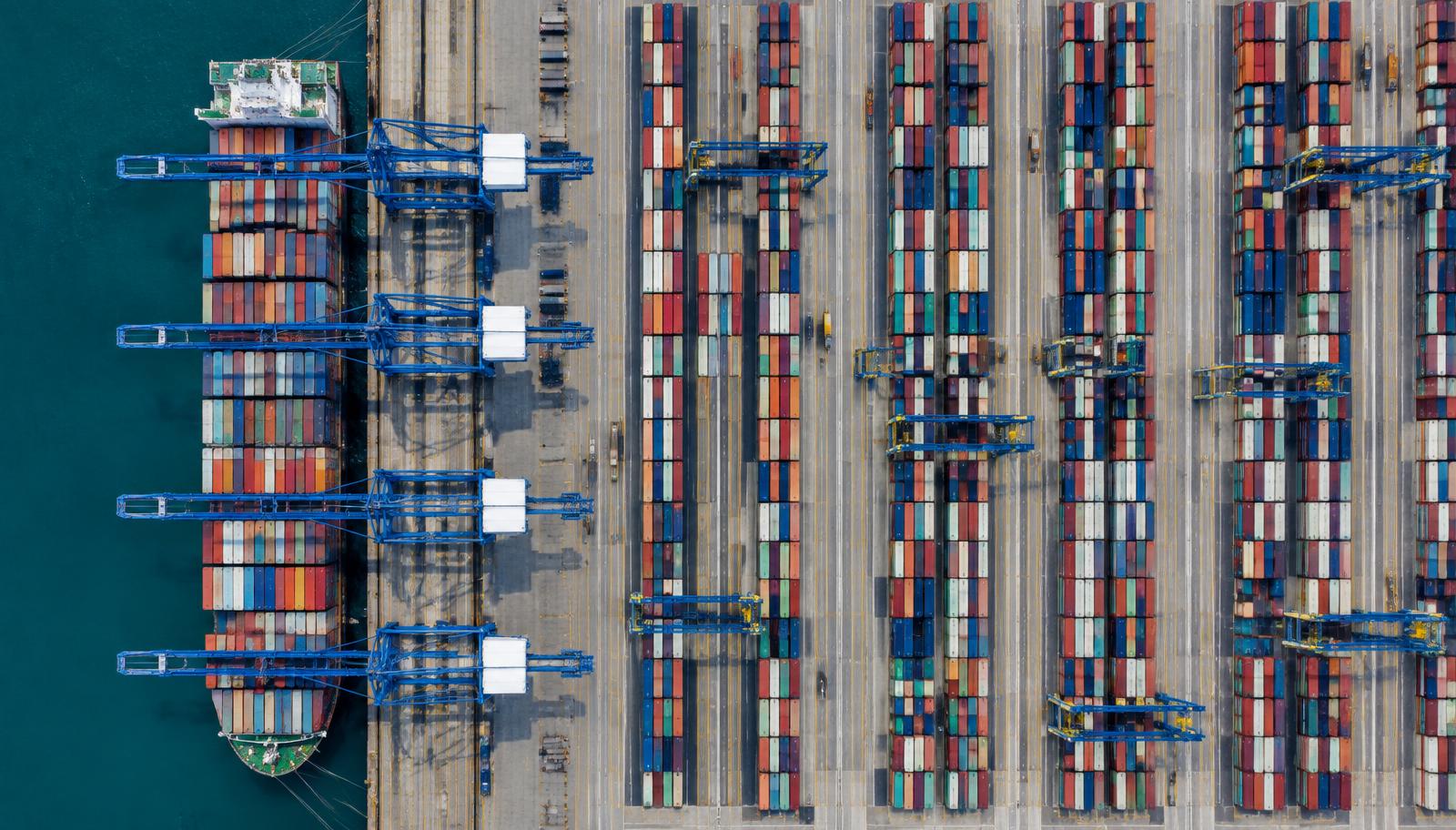 Infrastructure
Plan shipments through a global port network with practical coordination around terminal processes, connections and cargo handling.
Explore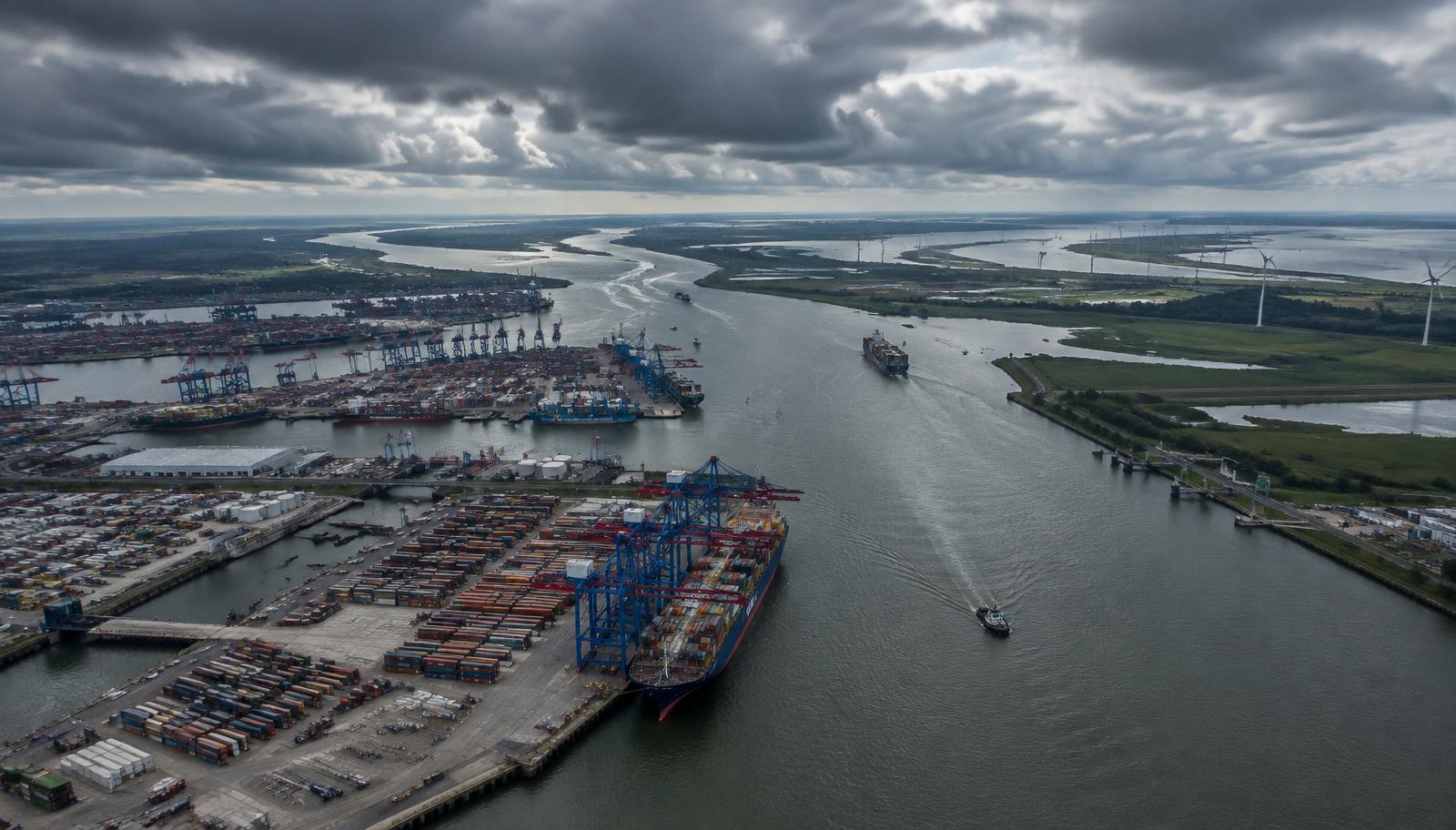 Track & Plan
Compare planned services and port connections to select a routing that fits your cargo priorities.
ExploreSend us your port pair and cargo details for a current service assessment.