01
Classification-led review
Check supplied dangerous goods particulars for completeness and consistency against requested transport mode, while referring technical classification to the responsible shipper.

Overview
Dangerous goods require accurate identification and controls appropriate to their hazards and transport mode. Classification, UN number, proper shipping name, packing group, packaging, quantity and emergency information influence carrier acceptance, segregation and documentation. FSC coordinates shipment planning against applicable requirements, but the consignor remains responsible for correct classification, packaging, marking, labelling and declarations.
Requirements differ by mode and jurisdiction. Ocean movements may be governed by the International Maritime Dangerous Goods (IMDG) Code; air shipments by the IATA Dangerous Goods Regulations (IATA DGR); and road legs in relevant territories by ADR. The applicable edition, national implementation and route-specific restrictions must be checked for each movement. Acceptance by one mode does not imply acceptance by another.
FSC's dangerous-goods coordination includes an early review of supplied information, proposed transport legs and partner acceptance requirements. Safety data sheets can support review but do not replace the required dangerous goods declaration or shipper responsibilities. We escalate incomplete or conflicting information and avoid booking until necessary details and operating approvals are confirmed.
Integrated logistics
A compliant movement depends on correct shipper information and the rules applicable to each transport leg. FSC coordinates review and acceptance, not regulatory classification on the shipper's behalf.
Check supplied dangerous goods particulars for completeness and consistency against requested transport mode, while referring technical classification to the responsible shipper.
Coordinate ocean booking information against applicable IMDG requirements, carrier restrictions, stowage and segregation information and documentation.
Review air cargo information against applicable IATA DGR processes and airline acceptance requirements; restricted or prohibited articles may not be carried.
Consider ADR requirements for applicable road legs, including local implementation, vehicle and driver requirements handled by qualified parties.
Coordinate dangerous goods declarations, safety information and transport documents required for the agreed mode and route.
Communicate handling and emergency information to relevant partners and coordinate shipment acceptance and escalation before cargo is tendered.
Planning perspective
How it works
Do not tender regulated cargo until classification, packaging and transport documentation are confirmed for every planned mode.
The consignor confirms applicable UN number, proper shipping name, class or division, subsidiary risk, packing group and any special provisions.
Submit the required dangerous goods declaration, packaging information, quantity, marks, labels, emergency contacts and supporting documents.
FSC coordinates checks against applicable IMDG, IATA DGR, ADR and local requirements, plus carrier, route and transhipment restrictions.
Shipment proceeds only after the relevant carrier or partner confirms acceptance and required documents, packaging and handling are in order.
Cargo is tendered as declared, with agreed handling information shared; changes to classification, quantity or packaging require renewed review.
Reference
| Mode | Framework | Typical shipment information | Important limitation |
|---|---|---|---|
| Ocean | IMDG Code | DG declaration, class, UN number, stowage details | Carrier and port restrictions apply |
| Air | IATA DGR | Shipper's declaration, packing instruction, quantity | Some goods are forbidden or quantity-limited |
| Road | ADR, where applicable | Transport documents, marks, vehicle requirements | National implementation and exemptions vary |
| Multimodal | Applicable rules on each leg | Consistent cargo and emergency information | Acceptance must be confirmed for every leg |
In operation
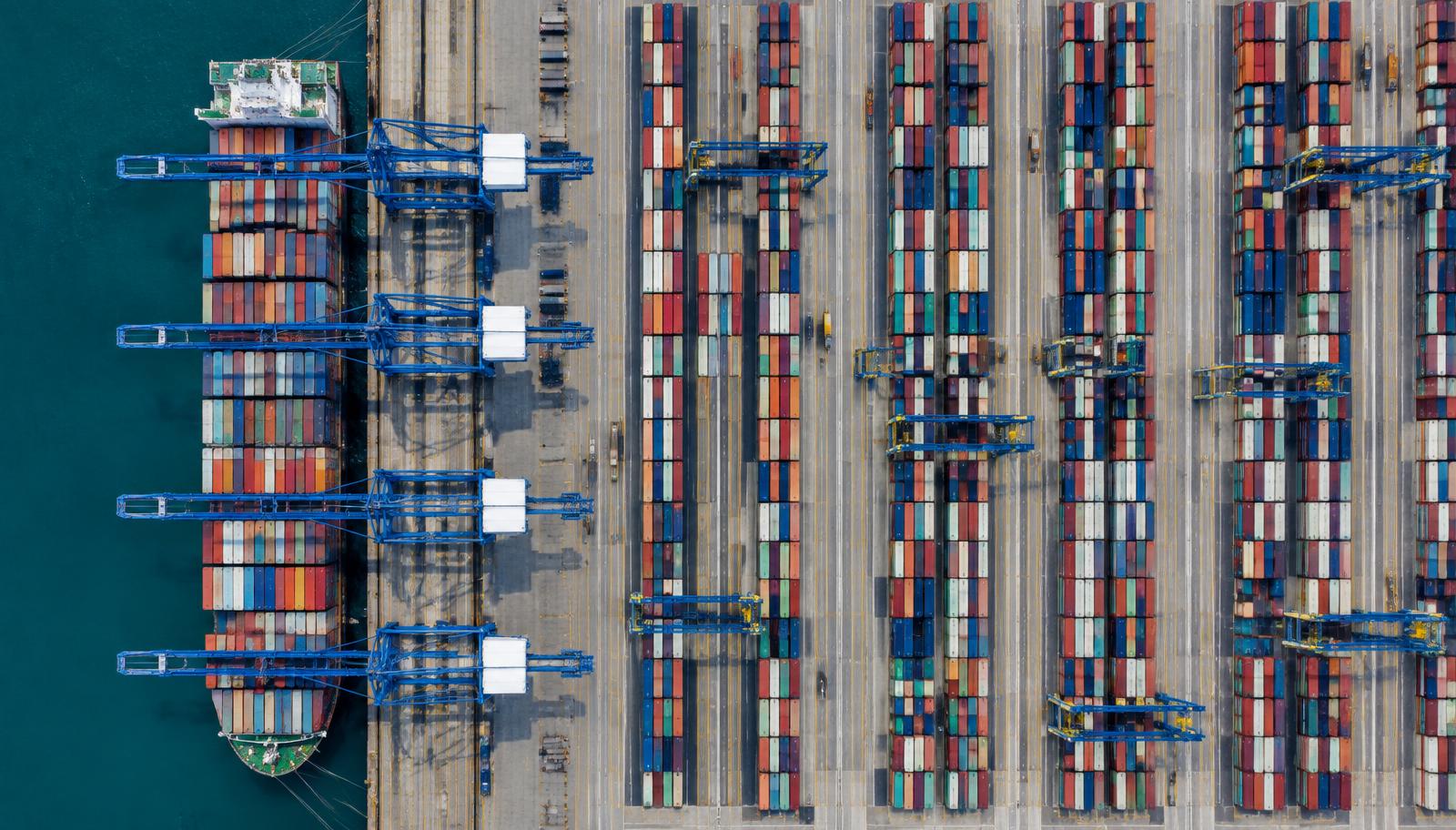
Dangerous-goods operations rely on clear documents, suitable packaging and trained handling at each interface. Images are illustrative; they do not show an approved packing or shipment configuration.

Designed around the cargo

Case study
The exporter needed to move regulated products across ocean and road legs with differing document and partner acceptance requirements.
FSC coordinated an information completeness review, confirmed mode-specific partner requirements and aligned booking and handover milestones after the consignor supplied final declarations.
FAQ
Can't find what you're looking for? Our specialists are available around the clock.
Contact our teamKeep exploring
IndustrialCoordinate compliant chemical logistics with attention to classification, IMDG requirements, ISO tanks, segregation and route controls.
ExploreSupply ChainCustoms clearance, HS classification support and trade compliance coordination for international shipments.
Explore Air & Multimodal
Flexible air freight, from express and charter capacity to temperature-controlled handling, coordinated across 1,200+ weekly flight connections.
Explore
Share your route, cargo profile and delivery requirements with our team to develop a practical, compliant logistics plan.