01
Ocean gateway access
Review ports such as Santos and other relevant gateways against the shipment lane, current service pattern and destination needs.
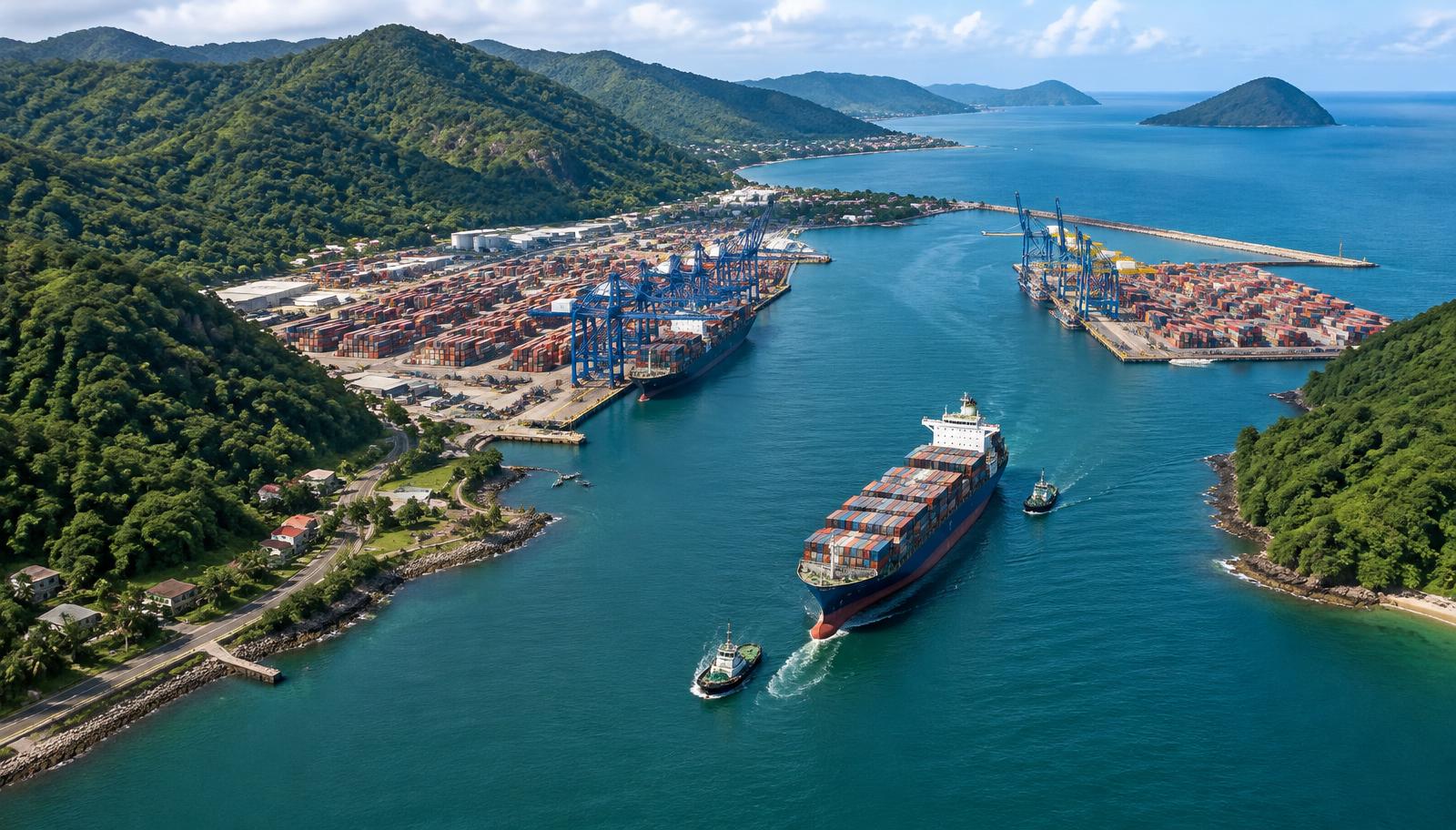
Overview
Latin America’s varied geography and trade patterns call for route planning that considers the port, the inland journey and the destination market together. Fast Safe Cargo connects regional movements with a global network and coordinates ocean, air and inland options according to shipment requirements.
Santos is a major Brazilian gateway for containerised cargo, while other ports serve distinct national and regional supply chains. The appropriate gateway depends on the origin, destination, service availability, cargo type and onward transport. FSC reviews these factors and confirms routing assumptions for each shipment.
Local coordination supports documentation preparation, shipment milestones and hand-offs between transport providers. Transit expectations and operating arrangements vary by lane and season, so teams confirm current schedules and requirements at booking and communicate relevant updates through the movement.
420+
ports called globally
Regional capabilities
Coordinate each shipment with attention to gateway choice, local requirements and the full delivery route.
Review ports such as Santos and other relevant gateways against the shipment lane, current service pattern and destination needs.
Assess partner airline and charter capacity for urgent movements, subject to routing, cargo acceptance and availability.
Coordinate inland transport when local coverage permits, factoring in delivery location, equipment and border requirements.
Coordinate accurate shipment data and supporting documents with origin and destination teams before cargo dispatch.
Compare available modes and hand-offs against cargo priorities, expected transit and operational constraints.
Bring local operating contacts together with global shipment teams to clarify milestones, responsibilities and next actions.
Gateway snapshot
How it works
Early alignment on cargo, routing and documentation supports a clearer cross-border movement.
Share full locations, cargo particulars, timing and any commodity restrictions or delivery requirements.
Assess gateway, schedule, connection and inland alternatives against the shipment’s priorities and current availability.
Coordinate cargo readiness and required information with relevant origin and destination contacts before cut-off.
Follow shipment hand-offs across the selected route and share updates when action or decisions are required.
Confirm release steps, local processes and onward transport requirements with the destination team.
Reference
| Gateway | Country | Typical network role | Planning consideration |
|---|---|---|---|
| Santos | Brazil | Major Brazilian container gateway | Confirm inland destination and terminal cut-offs |
| Buenos Aires | Argentina | Gateway for central Argentina cargo flows | Review service schedule and local requirements |
| Callao | Peru | Pacific coast gateway | Plan customs and onward inland transport |
| Cartagena | Colombia | Caribbean-facing gateway | Assess connection and destination route |
| Manzanillo | Mexico | Pacific gateway | Validate lane availability and final-mile scope |
In operation
Port infrastructure links regional producers and markets with international routes. FSC coordinates transport decisions against real shipment and destination requirements.
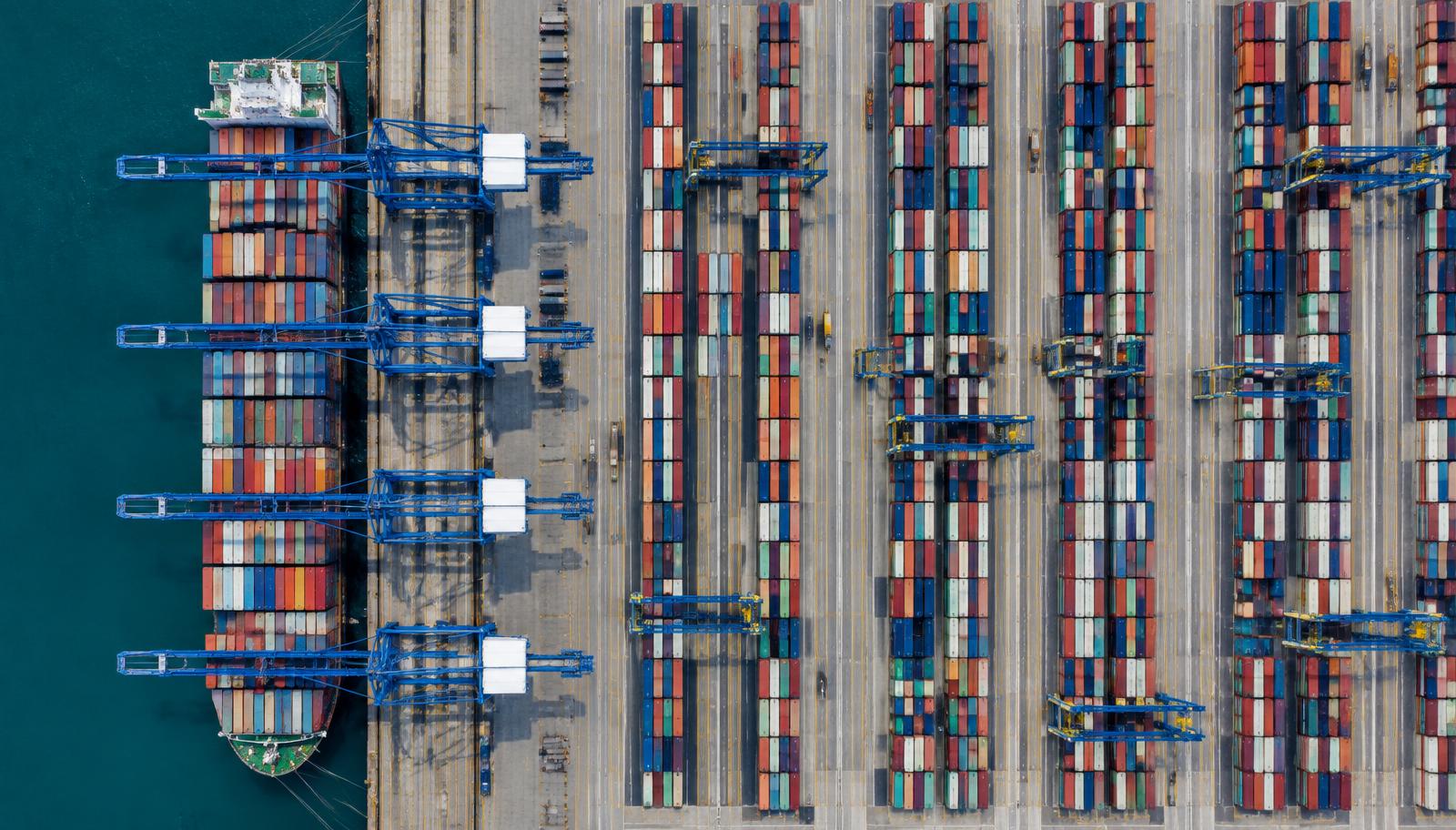
Trade through Latin American gateways


FAQ
Can't find what you're looking for? Our specialists are available around the clock.
Contact our teamKeep exploring
 Ocean Freight
Ocean freight connecting global markets with coordinated container, temperature-controlled and specialised cargo services.
ExploreInfrastructureExplore how Fast Safe Cargo connects port pairs through owned, chartered and partner vessel capacity.
Explore Local Presence
Find a Fast Safe Cargo office and connect local shipment coordination with a global network serving more than 180 countries.
Explore
Share your shipment profile and destination to review suitable regional gateways.