01
Corridor assessment
Review route availability and service suitability against origin, destination, cargo and required timing.
Overview
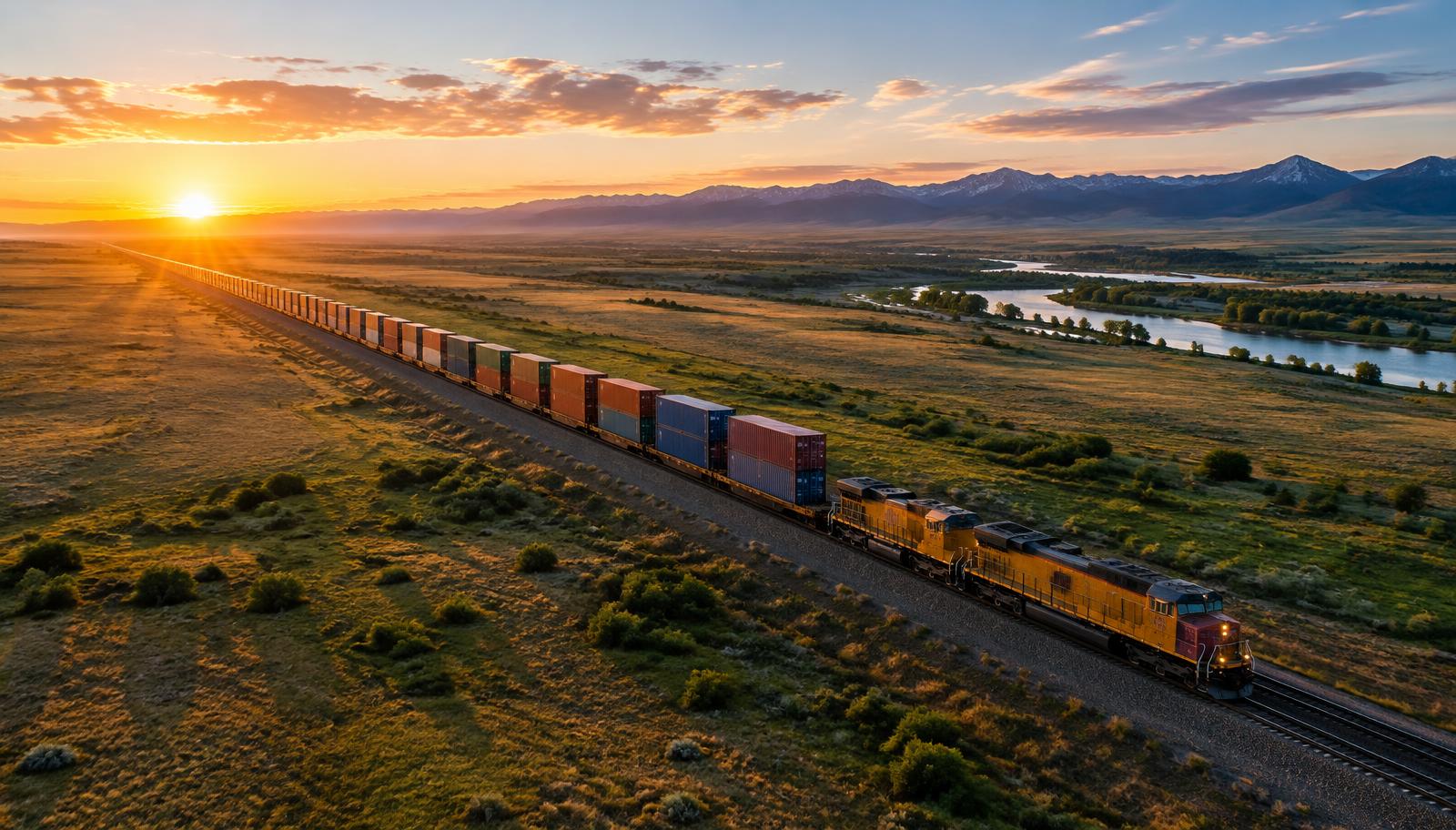
Rail can provide a useful component of multimodal freight planning when a suitable corridor, terminal connection and cargo profile align. Fast Safe Cargo reviews rail alongside ocean, air and road alternatives, considering the complete route rather than treating a corridor as a standalone transit promise.
Availability depends on origin and destination access, terminal capacity, service schedule, equipment, border processes and the need for first- or last-mile transport. Route characteristics and operating conditions can change, so the team confirms the applicable corridor and assumptions for each shipment.
FSC coordinates shipment information and hand-offs across providers where rail is available within the agreed service scope. Customers receive a route plan that identifies key dependencies and expected milestones, supporting informed decisions about timing, cost and operational complexity.
140
warehouse facilities across the network
Rail planning
A rail option must work with cargo, terminals, borders and delivery requirements at both ends.
Review route availability and service suitability against origin, destination, cargo and required timing.
Plan rail alongside ocean, road or other modes where service connections and operational requirements permit.
Consider terminal interfaces and storage needs, including access to wider network facilities where appropriate.
Coordinate collection and delivery legs where local transport coverage, cargo and route conditions allow.
Identify shipment information and documentation dependencies relevant to cross-border movement and transfer points.
Track planned hand-offs and communicate changes when schedules, terminals or operating conditions affect the route.
Mode planning
How it works
A structured review identifies whether the corridor fits the shipment and what supporting legs are needed.
Share exact locations, commodity, dimensions, weight, timing and any special handling or security requirements.
Review route availability, terminals, provider schedules and service constraints for the intended movement.
Assess collection, terminal transfers, border interfaces and final delivery requirements as one plan.
Align shipment records, applicable border information, cut-offs and provider requirements before dispatch.
Follow the planned hand-offs and communicate material schedule changes or actions through the route.
Reference
| Assessment area | Key question | Typical dependency | Planning action |
|---|---|---|---|
| Route availability | Does a suitable service cover the lane? | Current corridor and provider schedule | Confirm routing for requested dates |
| Terminal access | Can cargo reach and leave the terminals? | First- and last-mile transport | Share exact collection and delivery locations |
| Cargo suitability | Can the cargo use the service and equipment? | Dimensions, weight and commodity rules | Provide complete cargo specifications |
| Border processes | What formalities apply at transfer points? | Documents, customs and permissions | Identify requirements before dispatch |
| Transit expectations | What is the planned service sequence? | Connection and terminal handling times | Review confirmed schedule and assumptions |
In operation
Rail infrastructure links inland terminals and markets where a suitable corridor exists. FSC assesses each connection against cargo and delivery requirements.
Rail as part of a connected route

FAQ
Can't find what you're looking for? Our specialists are available around the clock.
Contact our teamKeep exploring
Air & MultimodalRail freight solutions connect major trade corridors with coordinated terminal handling, shipment visibility and onward transport planning.
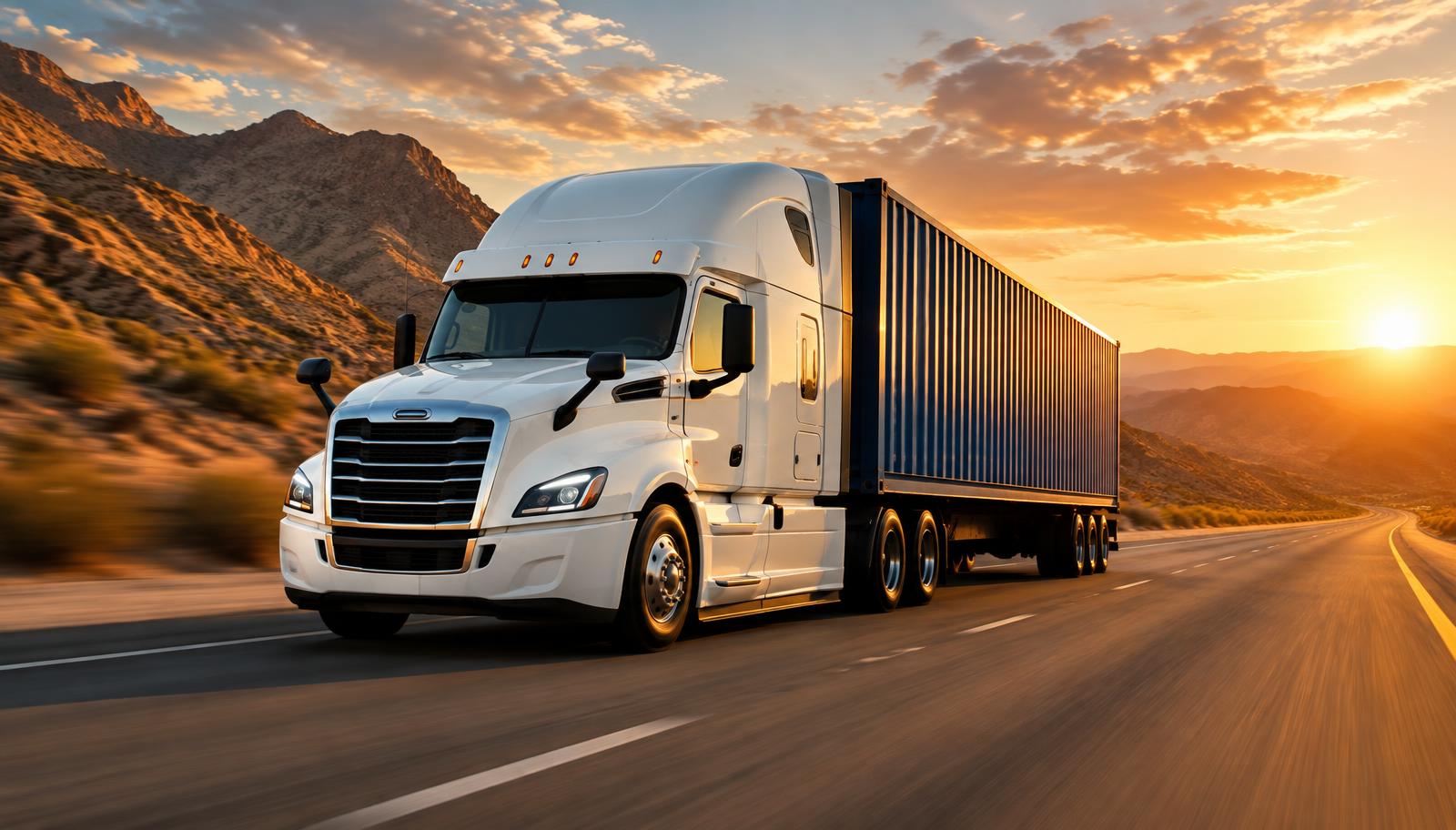
ExploreAir & MultimodalReliable inland trucking connects ports, airports, terminals, warehouses and delivery locations across domestic and cross-border routes.
Explore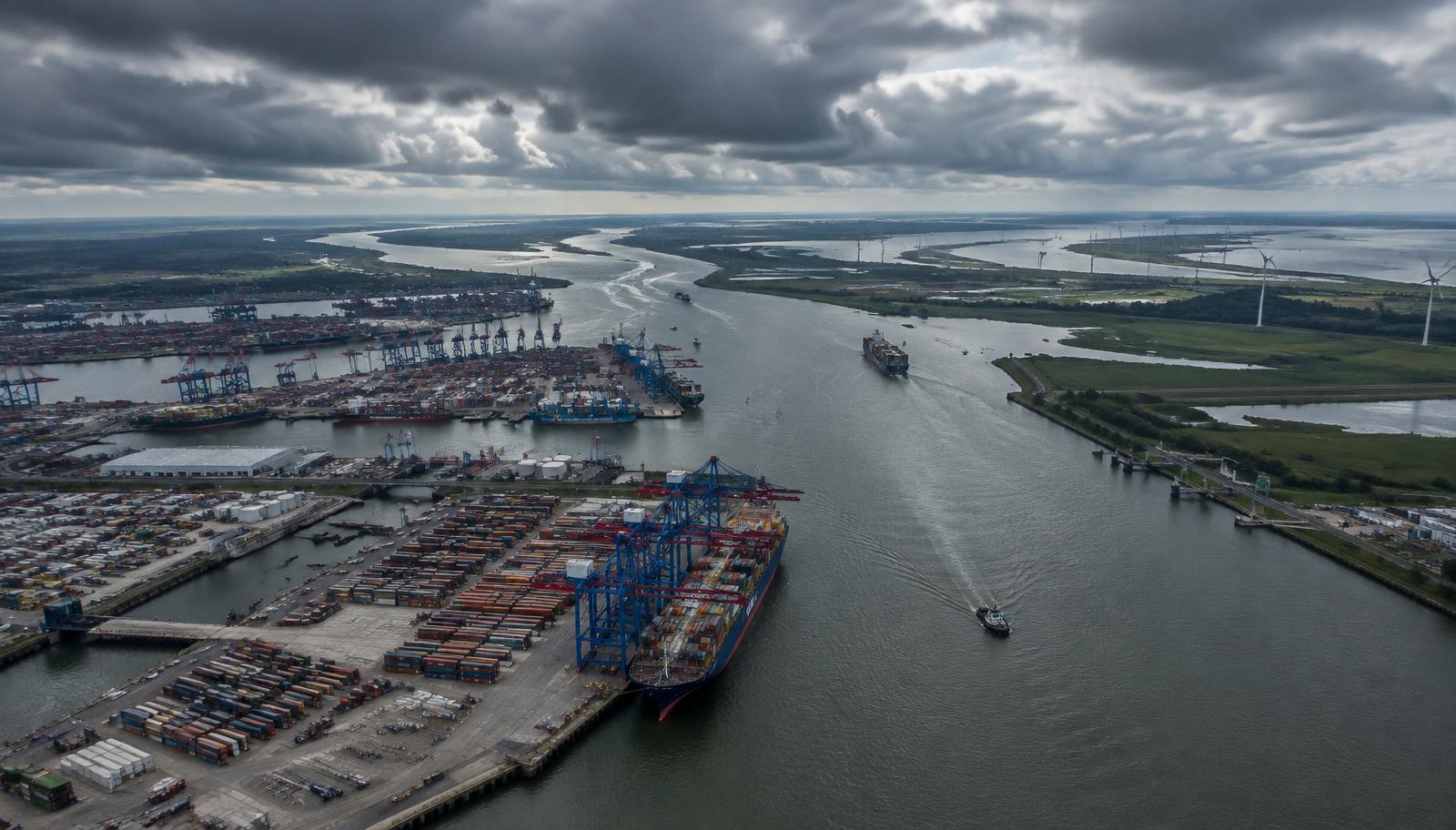 Regions
Move cargo through Europe’s major port, airport and inland gateways with coordinated international transport and local shipment support.
Explore
Share your full lane and cargo details to assess whether rail can form part of the route.