01
Corridor selection
We assess available services, terminals, border processes and connection timings against cargo origin, destination and required delivery profile.
Overview
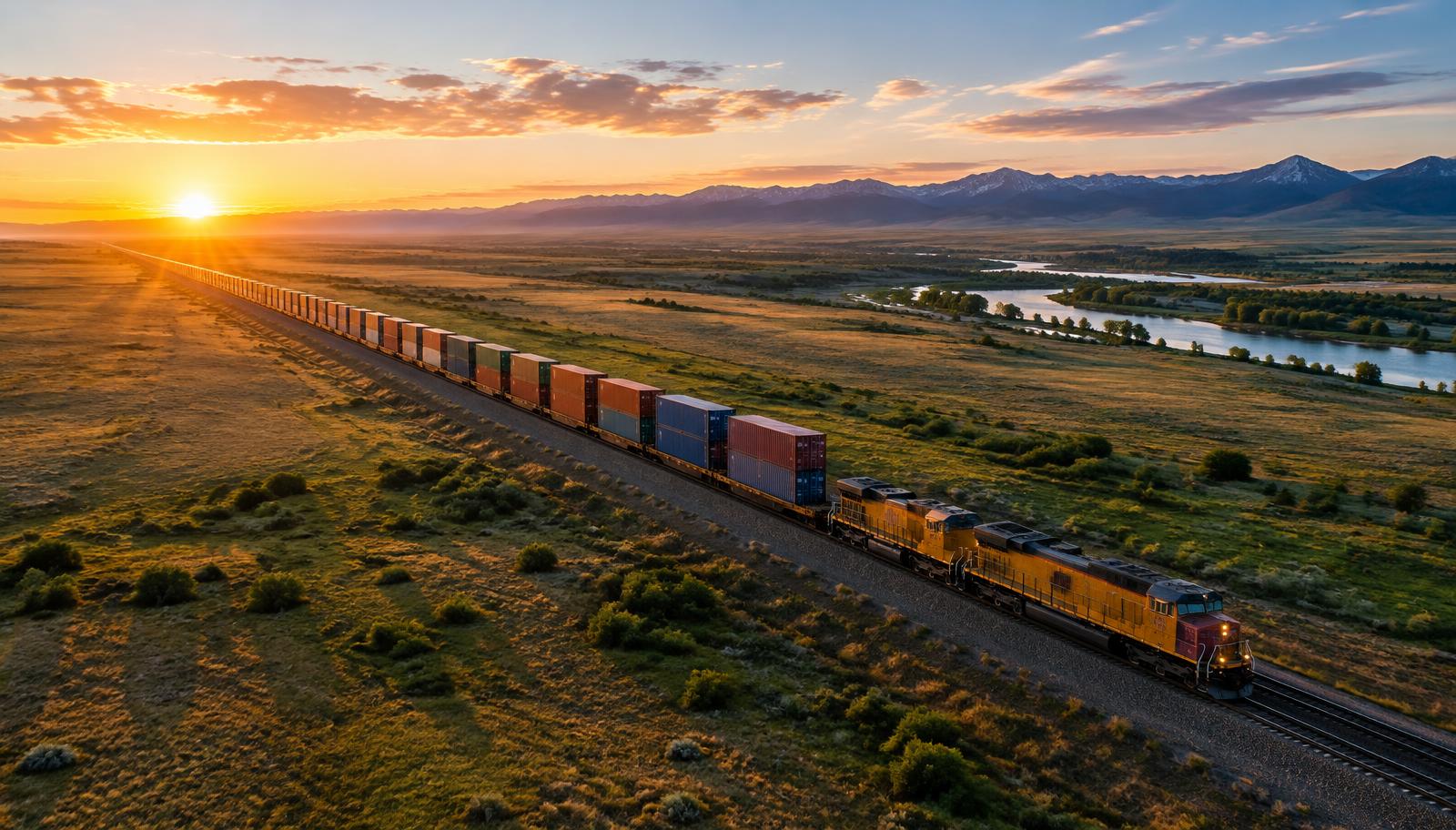
Fast Safe Cargo coordinates rail freight across suitable corridors, linking origin and destination terminals with the road or ocean legs required to complete a movement. Route design considers terminal access, equipment, border procedures, service frequency and the shipment’s delivery profile before a corridor is recommended.
Rail can provide a useful balance of transit time, capacity and transport characteristics for planned flows between connected markets. The right choice depends on corridor availability and operating conditions, and should be compared with ocean, road and air alternatives on a like-for-like end-to-end basis.
Our teams coordinate bookings, shipment data, terminal handovers and progress updates with relevant rail and local transport partners. Customers receive clear visibility of the planned milestones and responsibility boundaries, including where customs formalities or local restrictions may affect the movement.
Our capabilities
Successful rail movements start with corridor fit, terminal readiness and clearly planned handovers.
We assess available services, terminals, border processes and connection timings against cargo origin, destination and required delivery profile.
Road legs and terminal interfaces are aligned with the rail schedule to create a practical end-to-end movement plan.
Cargo dimensions, weight, loading method and handling needs inform the suitable equipment and acceptance checks.
Shipment information and documentation requirements are reviewed with relevant partners ahead of key border and terminal events.
Milestones across rail and connecting legs support customer planning and timely awareness of material schedule changes.
Rail options can be evaluated as part of a broader network design, with emissions and service assumptions considered transparently.
Planning insight
How it works
Each corridor is validated from terminal to terminal, including connecting transport.
Confirm commodity, cargo profile, origin, destination, expected volume and delivery window against current service availability.
Identify suitable origin and destination terminals, connecting road requirements and expected handover windows.
Review equipment, loading, shipment data and applicable border, security or customs requirements before dispatch.
Track rail and connecting-leg milestones, coordinate handovers and communicate schedule exceptions as they arise.
Reference
| Element | Key consideration | Typical input | Planning result |
|---|---|---|---|
| Corridor | Service and terminal coverage | Origin and destination | Feasible route |
| Cargo | Dimensions, weight and loading | Packing and commodity data | Equipment fit |
| Border | Formalities and data requirements | Commercial documents | Readiness actions |
| Connections | First- and last-mile timing | Collection and delivery points | End-to-end schedule |
In operation
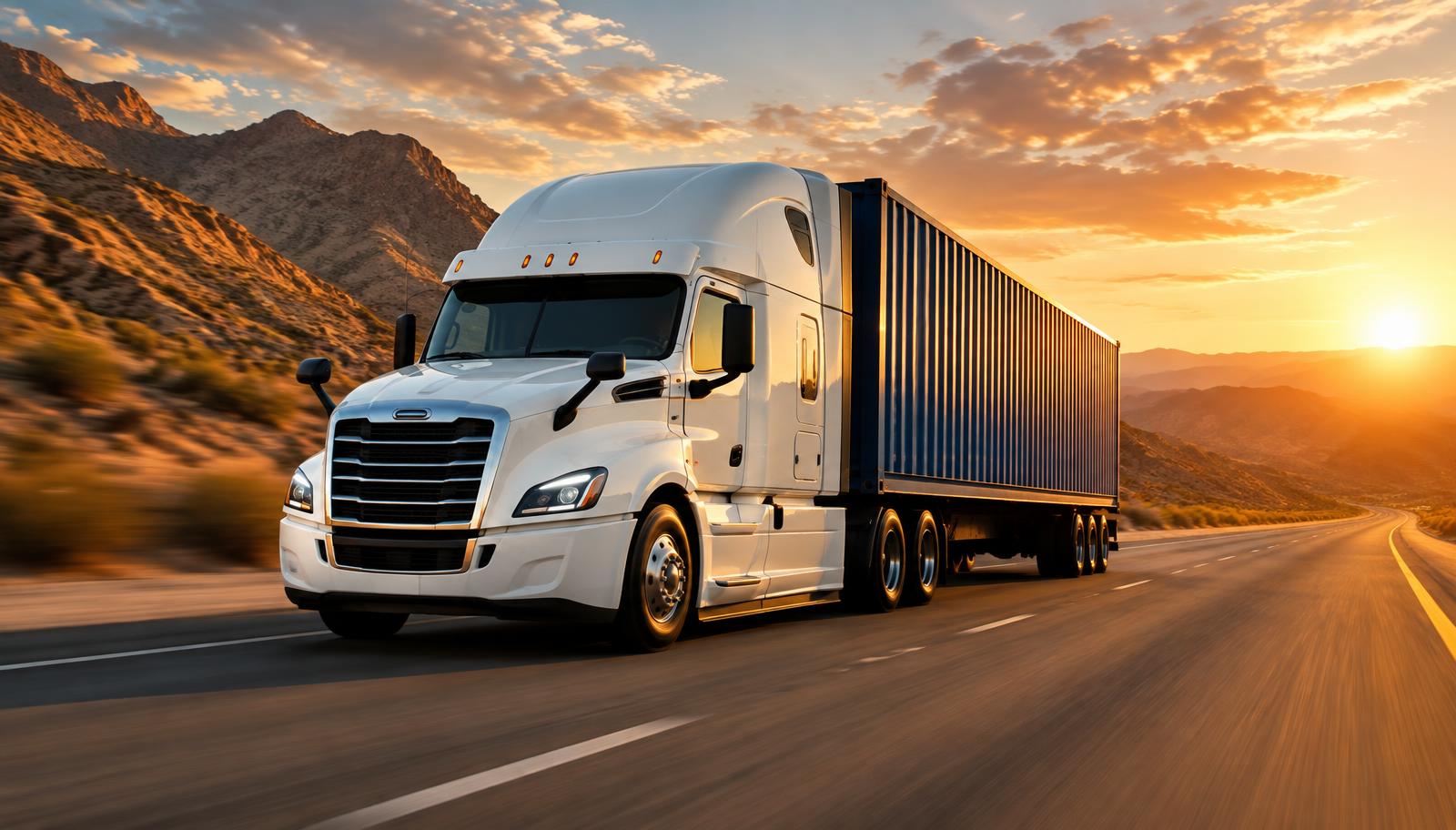
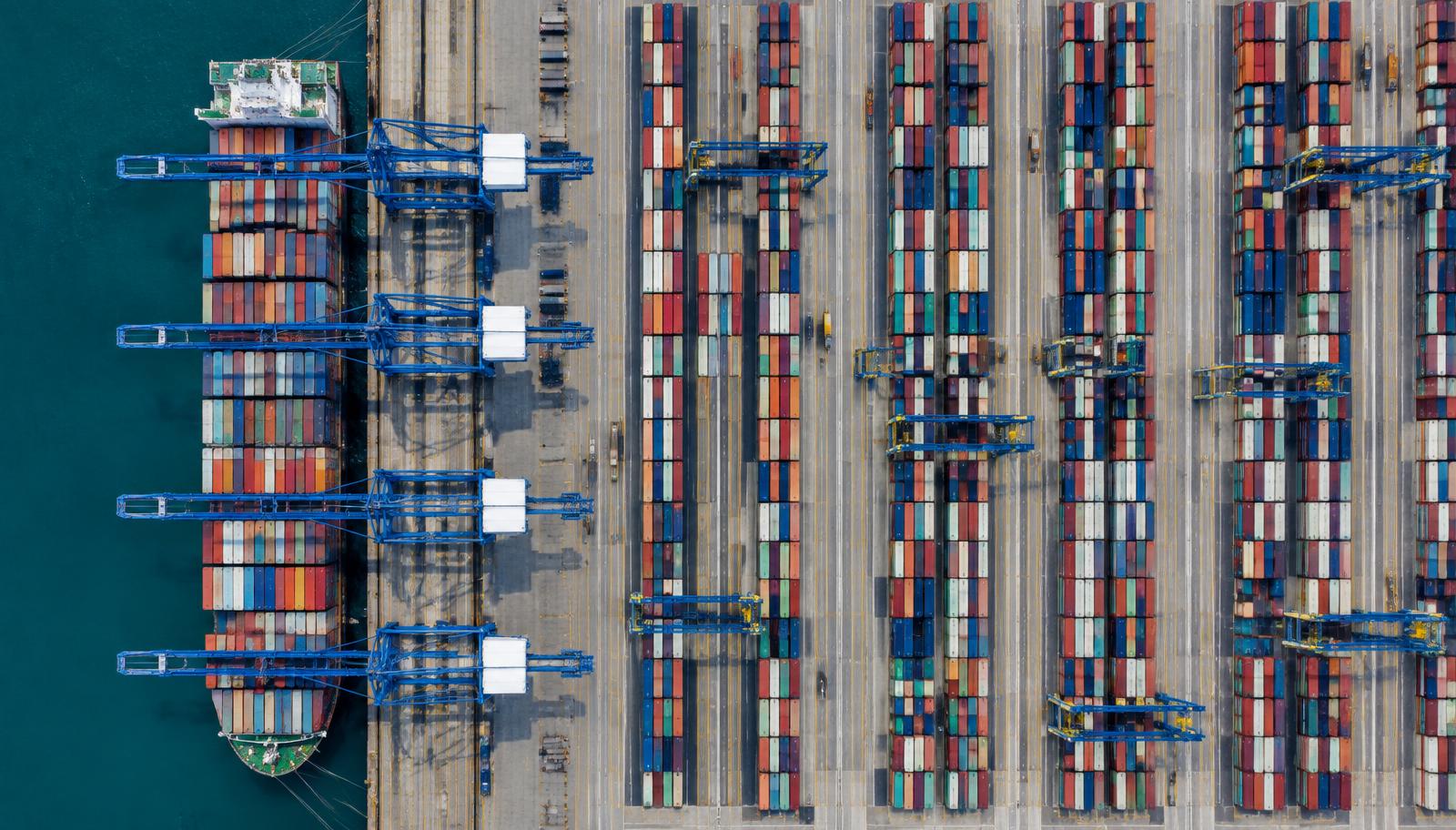
Rail freight depends on the coordinated operation of line-haul services, terminals and connecting road transport. The images show representative infrastructure and intermodal handover environments.
Operations in motion

Case study
Regular cross-border shipments needed an alternative to road-only movements, while varying terminal schedules and delivery locations complicated planning.
Fast Safe Cargo reviewed corridor and terminal fit, coordinated first- and last-mile legs, checked shipment data and shared a unified milestone plan with the customer.
FAQ
Can't find what you're looking for? Our specialists are available around the clock.
Contact our teamKeep exploring
Air & MultimodalFTL, LTL trucking and intermodal rail solutions connect regional markets through flexible, coordinated overland networks.
ExploreAir & MultimodalReliable inland trucking connects ports, airports, terminals, warehouses and delivery locations across domestic and cross-border routes.
ExploreInfrastructureAssess rail as part of a multimodal freight plan, with corridor, terminal and first- and last-mile requirements considered together.
Explore
Speak with Fast Safe Cargo about rail freight requirements, routing options and an operating scope tailored to your shipment.