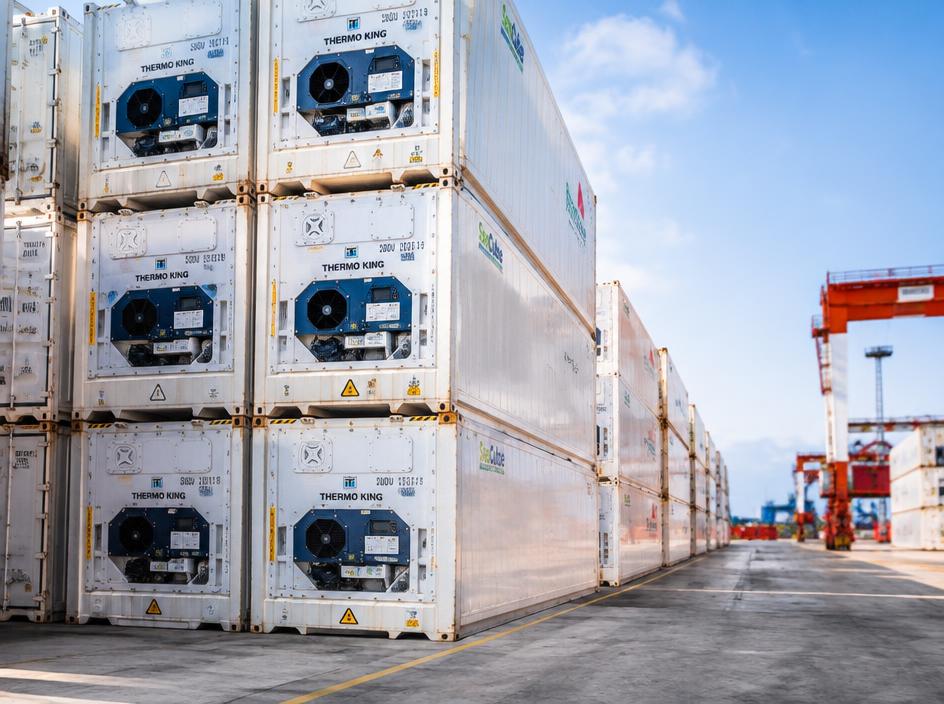
Reefer shipping provides a controlled transport environment for suitable temperature-sensitive cargo, but its effectiveness depends on clear product instructions and correct preparation. FSC coordinates the container movement around the shipper's specified set-point and any applicable ventilation or humidity requirements. These instructions must reflect the commodity and its condition at loading, rather than a generic setting for all chilled or frozen goods. We establish the relevant equipment and handling needs before booking, with attention to the points where the container changes custody or depends on an external power supply.
Loading practice is as important as the selected temperature. Cargo presented outside its required condition, obstructed airflow or unsuitable packaging can undermine the intended transport environment. Our planning discusses pre-cooling responsibilities where applicable, loading arrangements and the information needed by the operating teams. The shipper remains responsible for accurate product requirements and cargo preparation. We coordinate those instructions with equipment availability, terminal receiving windows and the sailing plan so that preparation at the loading location connects with the practical requirements of the ocean leg and destination handover.
Reefer movements involve several power and custody interfaces between collection, terminal handling, vessel transport and onward delivery. FSC identifies the relevant handovers within the agreed scope and establishes how reported operating exceptions should be escalated. Any temperature records or inspection requirements need to be agreed in advance; a reefer booking does not by itself establish product compliance or continuous customer access to readings. At destination, timely release and suitable receiving arrangements help connect the ocean movement to the next controlled environment without relying solely on the published vessel arrival.