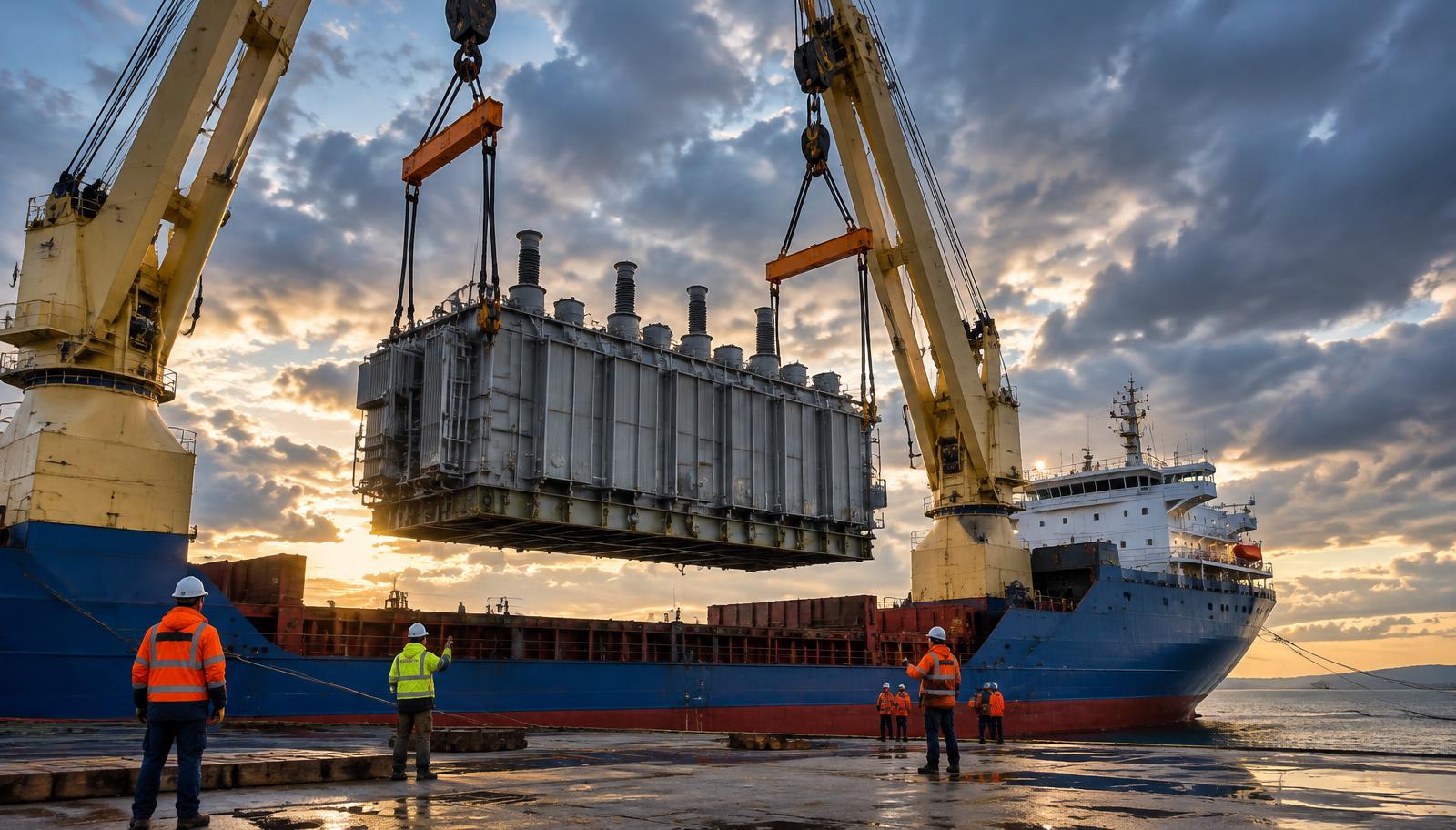
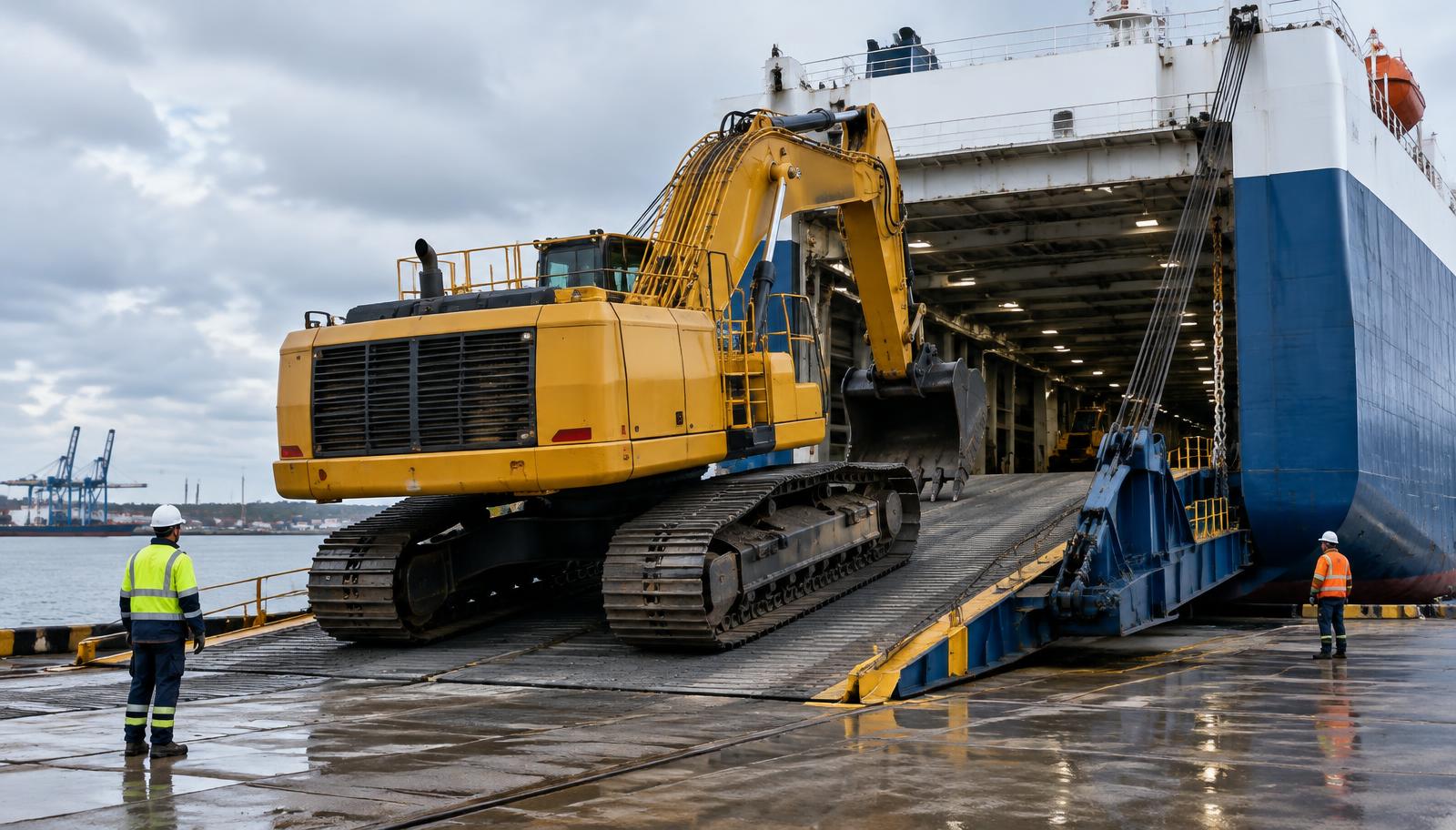
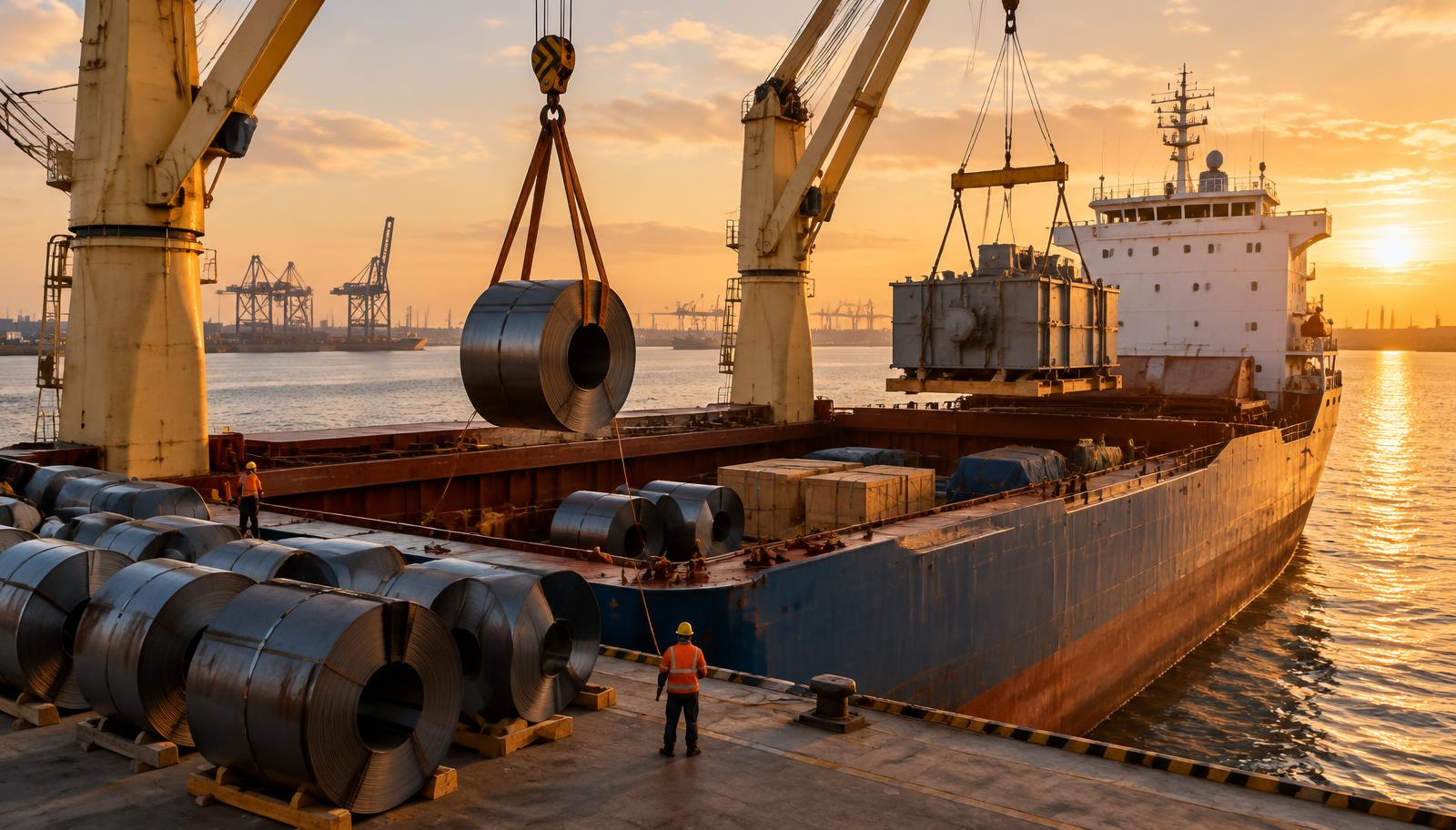
Project and heavy cargo transport starts with engineering information rather than a standard equipment request. Dimensions, weight, centre of gravity, lifting points and support requirements determine which transport and handling options are feasible. FSC uses the available technical details to coordinate discussions across vessel, port and inland interfaces, identifying where specialist assessment is required. The resulting plan must reflect both the cargo itself and the receiving project's needs, particularly when an individual component has limited handling options or forms part of a tightly sequenced installation programme at destination.
Feasibility extends beyond the ocean leg. A workable vessel option may still depend on berth capability, crane reach, road access, bridge restrictions or the space available to turn and position a delivery vehicle. We bring these interfaces into the planning discussion and coordinate the necessary inputs from relevant operators. Technical drawings and confirmed cargo data are important foundations; changes in configuration can alter the transport method. Where surveys, permits or specialist equipment are needed, their responsibilities and timing should be established before the shipment is committed to an execution schedule.
Heavy cargo often moves to a project sequence rather than a routine warehouse replenishment cycle. FSC aligns shipment milestones with the agreed site receiving window, considering the relationship between discharge, inland transport and lifting arrangements at delivery. Our role includes communicating known constraints and changes so project teams can assess consequences for installation activities. Handling methods, securing arrangements and operating approvals remain subject to the relevant technical parties. This coordinated approach makes dependencies visible without presenting complex transport as a fixed process unaffected by weather, access or site readiness.