01
Cargo engineering inputs
Capture dimensions, weights, centres of gravity and lift points so carriers and local operators can review appropriate handling and equipment.
Overview
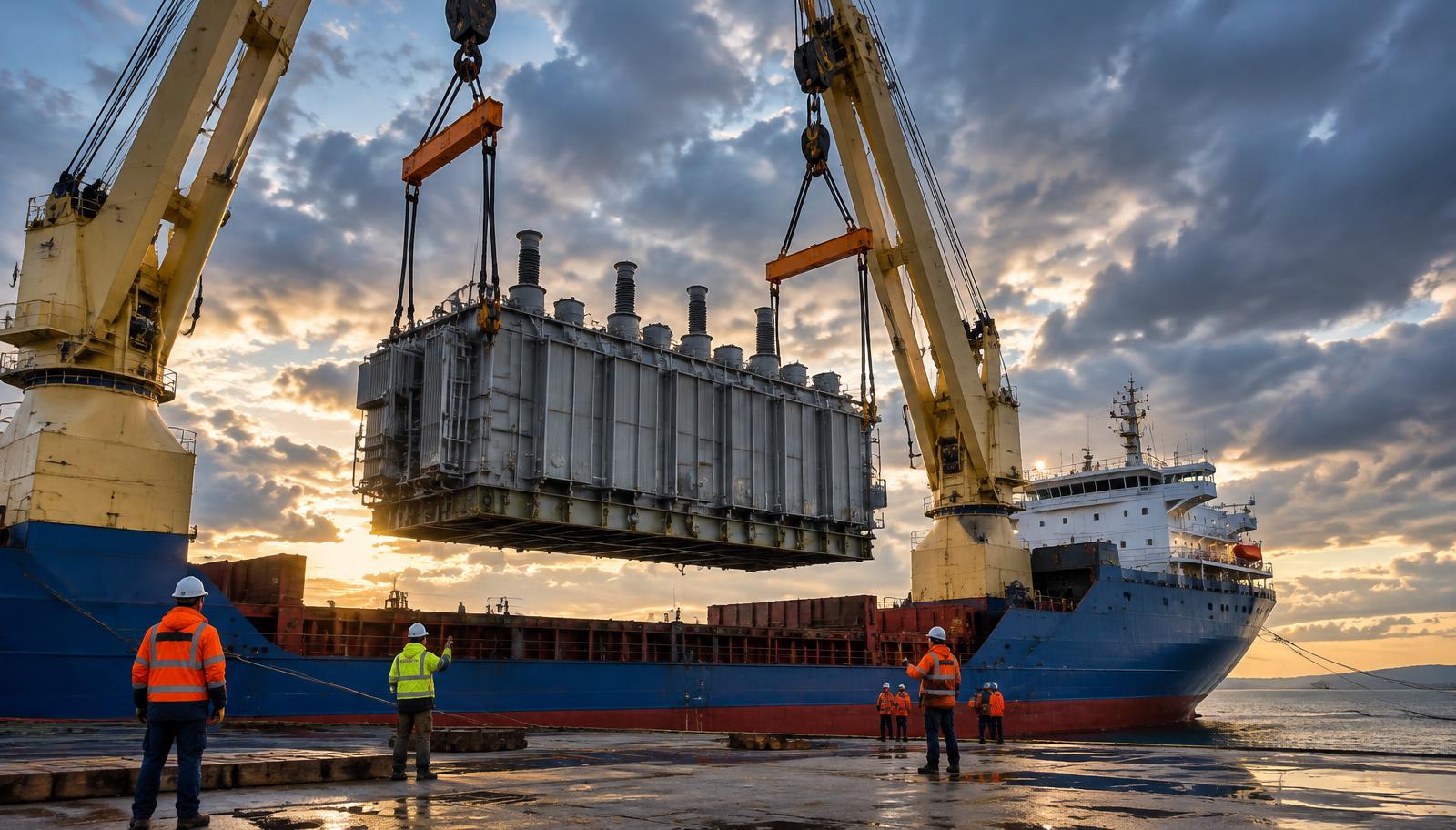
Project cargo is defined by its interfaces as much as by its size. Oversized modules, heavy machinery and grouped industrial equipment may require dedicated equipment, non-standard loading, temporary storage or a carefully sequenced delivery plan. FSC brings these elements into a single coordination process, connecting origin handling, transport legs, port operations and final delivery around the project’s technical and commercial requirements.
Planning starts with accurate cargo particulars and a realistic understanding of each route. Weight, dimensions, centre of gravity, lifting points and packaging inform equipment selection and handling method. Route and port capability, seasonal conditions, transhipment limits and destination access are reviewed with relevant local specialists. Any engineering, permit or authority approval remains subject to competent local review and confirmation.
A named operating coordination framework gives stakeholders a consistent view of dependencies, milestones and changes. FSC can coordinate ocean, air and inland solutions through its global network and partner capacity, supported by 96 offices across 54 countries. Scope, equipment availability, carrier acceptance and delivery commitments are established for each shipment rather than inferred from a generic service description.
Integrated logistics
We connect technical cargo requirements with practical transport decisions. Early coordination helps expose dependencies before cargo is ready to move.
Capture dimensions, weights, centres of gravity and lift points so carriers and local operators can review appropriate handling and equipment.
Coordinate reviews of ports, transhipment, inland access and infrastructure limits, identifying specialist surveys and authority requirements for validation.
Consider suitable containerised, breakbulk, heavy-lift, air or inland options according to cargo, route, timing, capacity and cost priorities.
Align the shipper, suppliers, carriers, terminals and destination parties on ownership, document flow and critical handover dates.
Record handling instructions and cargo-specific constraints to support safe work planning by qualified carriers and terminal teams.
Follow agreed shipment events and communicate material changes so project teams can assess downstream schedule and site impacts.
Planning perspective
How it works
Project cargo becomes manageable when technical information, transport selection and stakeholder responsibilities are connected in a clear sequence.
Provide dimensions, weights, packing lists, drawings, photographs, lifting points and delivery sequence, alongside origin, destination and required dates.
We coordinate transport and infrastructure checks with appropriate partners, flagging capacity, handling, permit and authority dependencies for confirmation.
Agree mode, equipment assumptions, bookings, documents, operational responsibilities, milestone reporting and escalation contacts before release.
Monitor agreed milestones and handovers, share operational updates and work with relevant partners to respond to changes or exceptions.
Collect available delivery evidence, reconcile outstanding operational matters and capture lessons relevant to future project movements.
Reference
| Option | Suitable profile | Planning focus | Subject to |
|---|---|---|---|
| Containerised | Cargo within equipment limits | Protection, loading and securing | Carrier and equipment acceptance |
| Breakbulk | Long or non-containerised pieces | Port handling and lift sequence | Port capability and vessel schedule |
| Heavy-lift vessel | Exceptional weight or dimensions | Engineering, lifting and route interfaces | Technical approval and capacity |
| Air freight / charter | Urgent, high-value components | Packing, aircraft limits and handling | Aircraft availability and acceptance |
| Inland specialist transport | Final-mile oversized cargo | Route survey, permits and escort needs | Local authority and infrastructure approval |
In operation
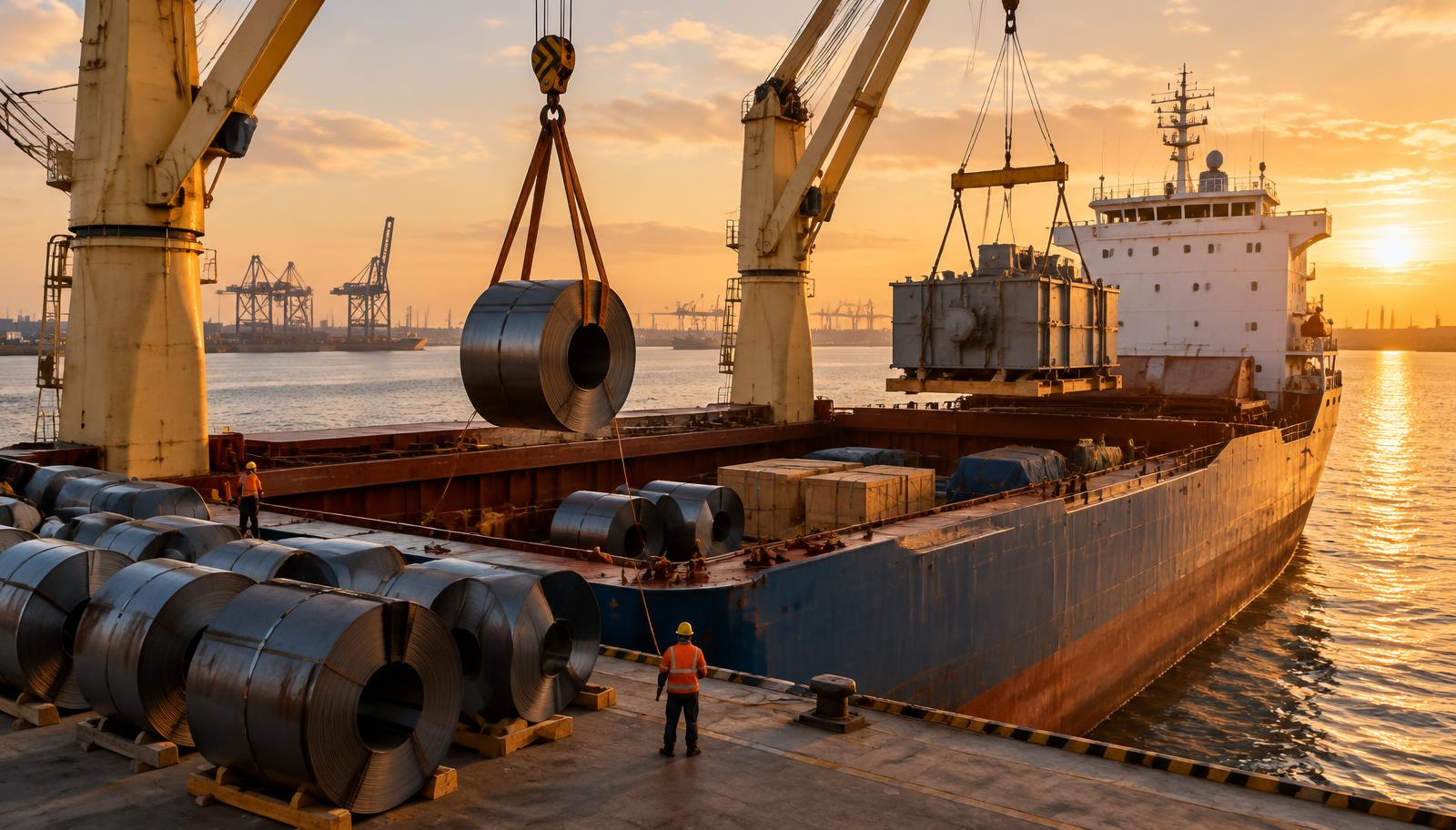
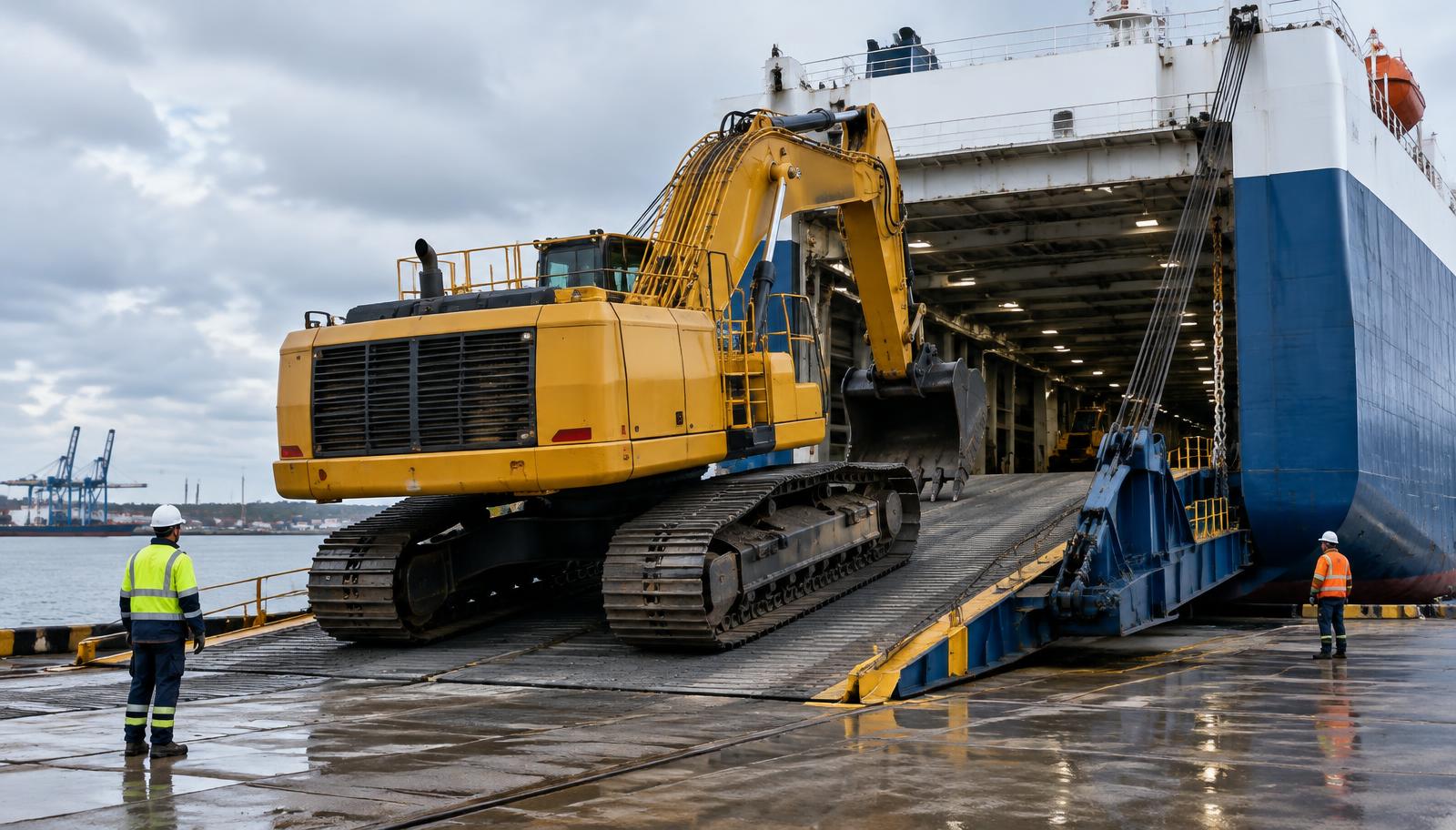
Project movements rely on coordinated equipment, terminal handling and inland access. The images represent common logistics environments; each shipment requires its own feasibility and operating review.
Designed around the cargo

Case study
Multiple non-standard machines from different suppliers needed to arrive in installation sequence at a constrained destination with limited storage capacity.
FSC consolidated cargo data, aligned collection readiness, coordinated transport legs and shared a milestone and handover plan with the manufacturer and destination contractor.
FAQ
Can't find what you're looking for? Our specialists are available around the clock.
Contact our teamKeep exploring
Ocean FreightEngineered transport planning for oversized, heavy and complex cargo requiring coordinated multimodal execution.
Explore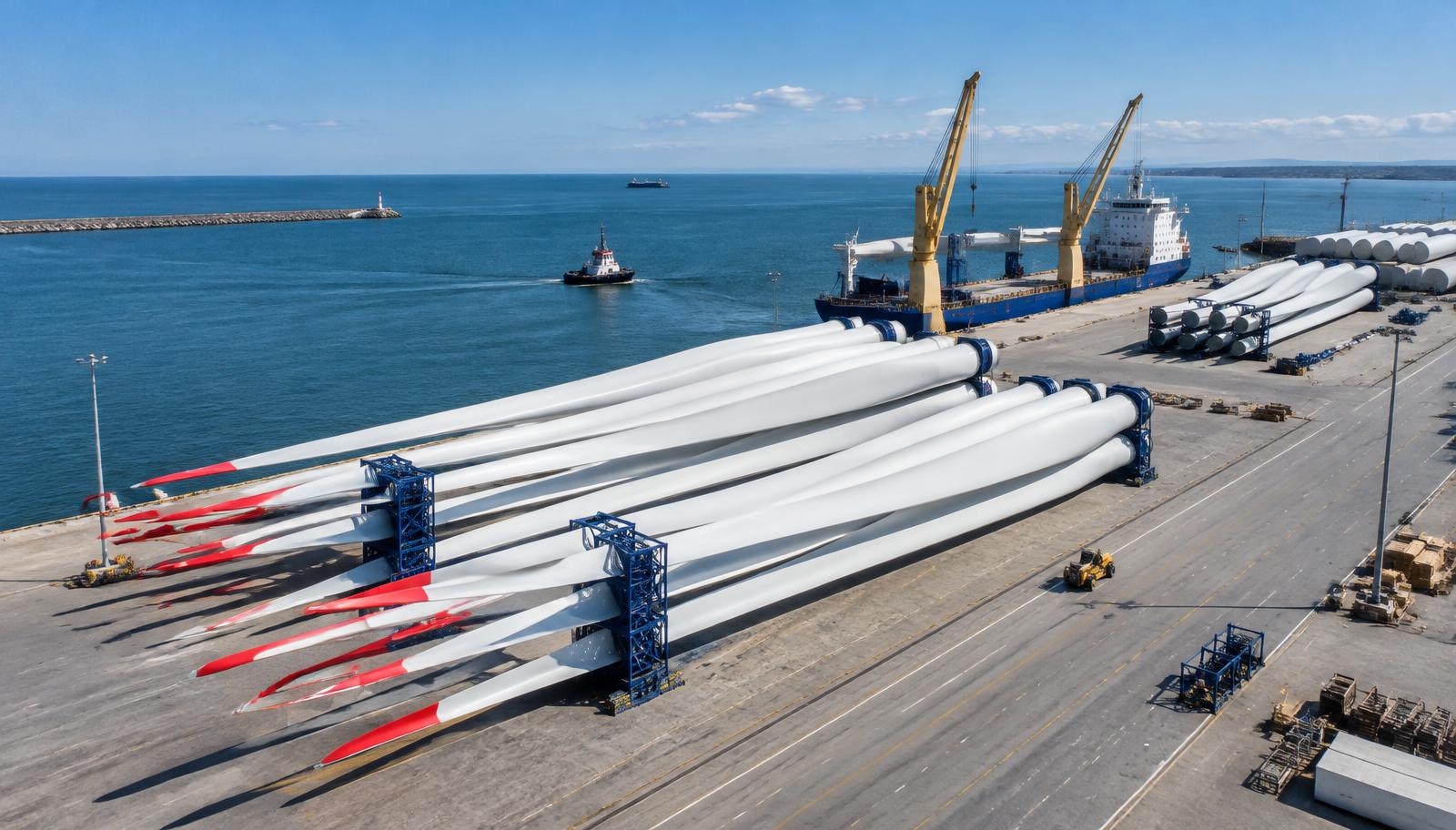 Industrial
Move conventional energy and renewable infrastructure with coordinated project logistics, specialist handling and clear control at every stage.
ExploreOcean FreightBreakbulk shipping for large or irregular cargo units that require specialist vessel, port and lifting coordination.
Explore
Share your route, cargo profile and delivery requirements with our team to develop a practical, compliant logistics plan.