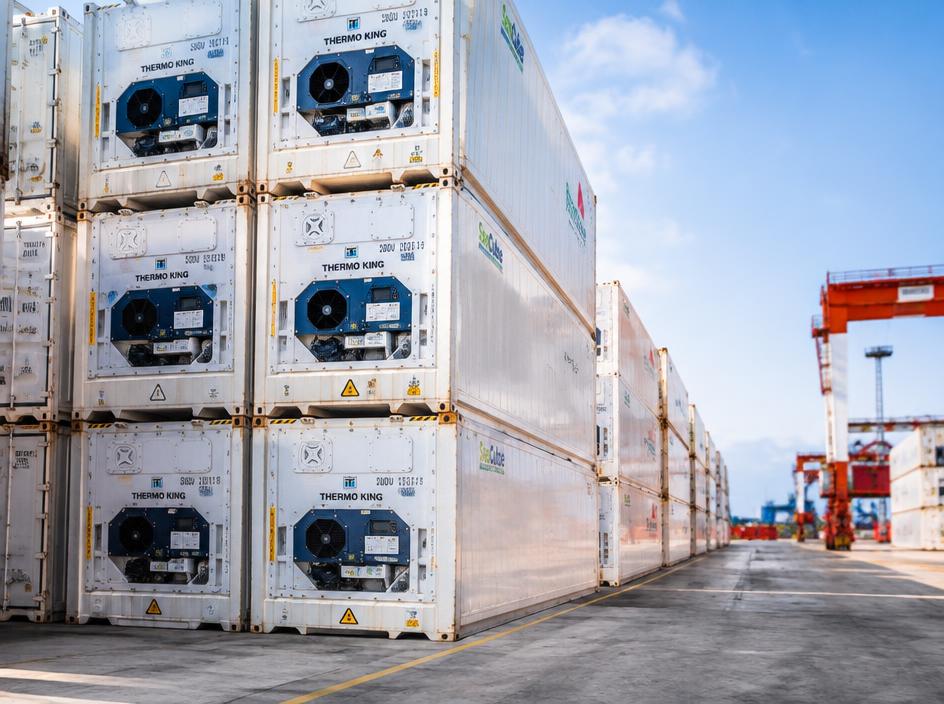
Cold-chain logistics concerns the connected handling environments around a product, not only the refrigerated vehicle or container carrying it. FSC plans the agreed movement around the shipper's temperature requirements, product sensitivity and permitted handling conditions. This involves identifying where goods will be stored, transferred and received, then establishing which parties are responsible at each stage. A clear scope is essential: the required controls for a chilled food shipment may differ from those for another temperature-sensitive commodity, and transport arrangements must follow the documented requirements of the specific product.
The greatest planning challenges often occur where one controlled environment meets another. Collection from storage, loading, terminal transfer and delivery can introduce exposure that is not apparent from the main transit schedule. We coordinate these interfaces by discussing receiving windows, suitable equipment and the instructions that must accompany the cargo. Packaging and product preparation remain important parts of the shipper's responsibility. Where temperature records, inspection evidence or particular handling procedures are required, those expectations should be agreed before the movement so the participating operators understand what information and actions are needed.
A practical cold-chain plan also defines what happens when the reported conditions differ from the instructions. FSC establishes escalation contacts and coordinates available shipment information so the responsible parties can assess an exception and decide on appropriate action. Product disposition and quality acceptance belong with the authorised customer or specialist parties, not with assumptions based solely on transport status. Our approach connects operational communication with the agreed handling requirements, helping customers distinguish a logistics event from a product quality decision while preparing suitable receiving arrangements at the end of the movement.