01
Ocean leg planning
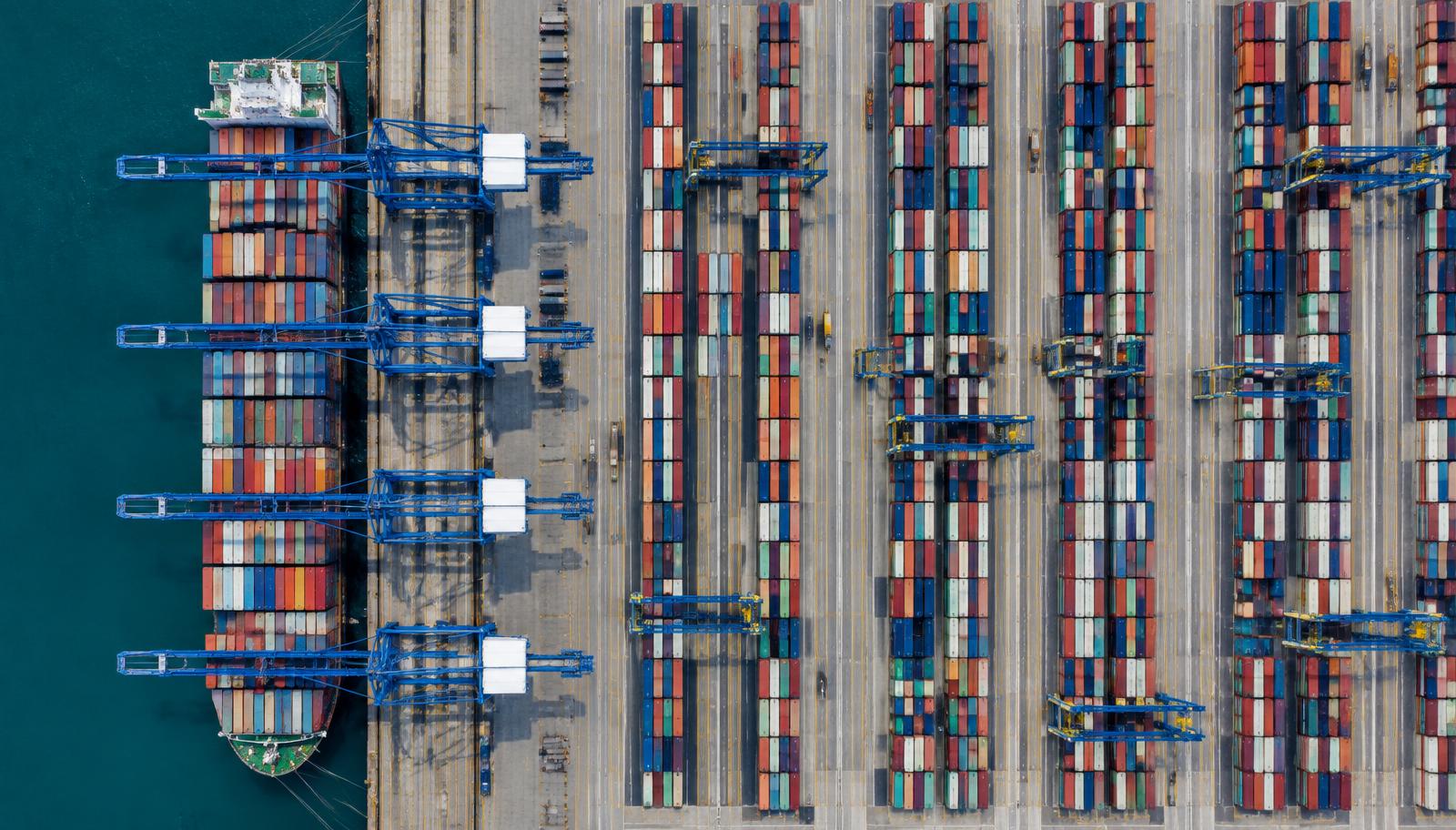
Sailing options are assessed against origin readiness, port schedules and the timing needed to protect a viable onward air connection.
Overview
Sea-air combines an ocean leg with an onward air movement to provide an alternative to all-air transport where a shipment can accommodate a planned connection. Fast Safe Cargo evaluates origin port, transfer hub, air capacity and destination requirements together, helping customers compare the total journey rather than treating each mode independently.
The operating plan accounts for sailing schedules, port handling, transfer time, security and documentation at the mode change. Cargo profile, packaging and the customer’s required delivery window inform the proposed sequence; an attractive headline transit is not useful if a connection or customs step is impractical.
A coordinated control process shares milestones across the ocean and air legs and flags changes that could affect the transfer. Sea-air is particularly useful for replenishment and seasonal flows where the customer needs a middle ground between ocean lead times and air freight cost, subject to route availability.
Our capabilities
One joined-up plan connects ocean capacity to onward air movement, with transfer assumptions made visible.
Sailing options are assessed against origin readiness, port schedules and the timing needed to protect a viable onward air connection.
Partner airline capacity is coordinated around the planned transfer, destination and cargo profile, subject to available schedules.
Transfer hubs are evaluated for routing logic, handling capability, documentation needs and operational connection risk.
Handover responsibilities and milestones are defined so cargo status remains clear between ocean and air operators.
The combined option is assessed against all-air and ocean alternatives using the customer’s priorities and inventory constraints.
Schedule changes that may affect the connection are escalated with practical alternatives where available.
Planning insight
How it works
The plan is built around a workable connection, not just two separate bookings.
Confirm origin, destination, cargo details, delivery target and the comparative cost or inventory priorities.
Assess ocean schedules, transfer hub options, onward air capacity, documentation and connection buffers.
Align packing, labels and shipment information with the requirements of both transport modes and the planned transfer.
Coordinate ocean departure, arrival, transfer acceptance and air departure milestones, escalating material changes.
Coordinate destination handling and agreed onward delivery while confirming customs roles and final handover requirements.
Reference
| Option | Transit profile | Cost profile | Best suited to |
|---|---|---|---|
| Sea-air | Intermediate, route-dependent | Balanced | Planned replenishment with a flexible window |
| All-air | Typically shortest available routing | Higher transport cost | Urgent or high-value time-critical freight |
| Ocean freight | Longer, schedule-led | Often lower per-unit transport cost | Forecastable flows with greater lead time |
In operation
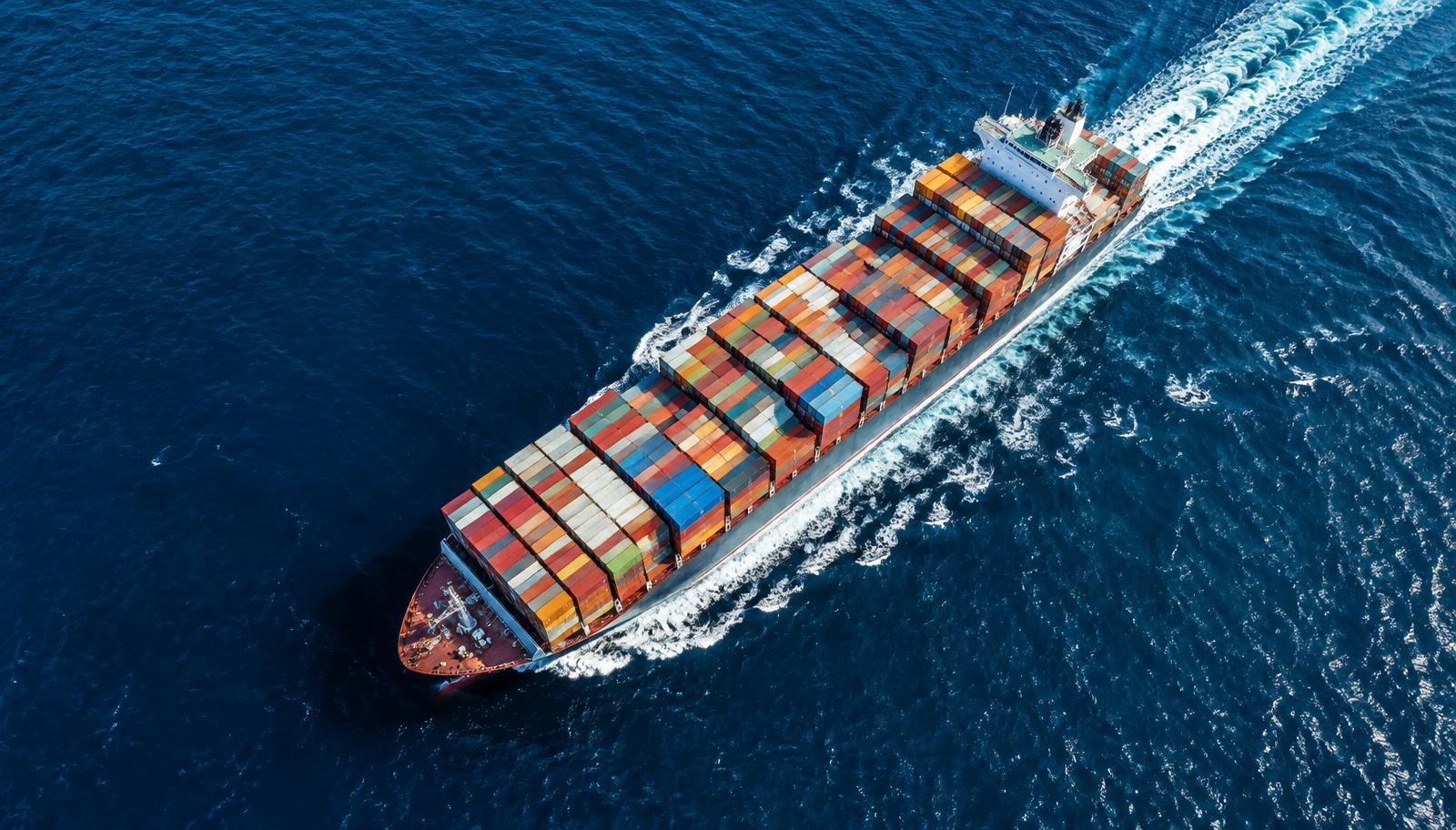
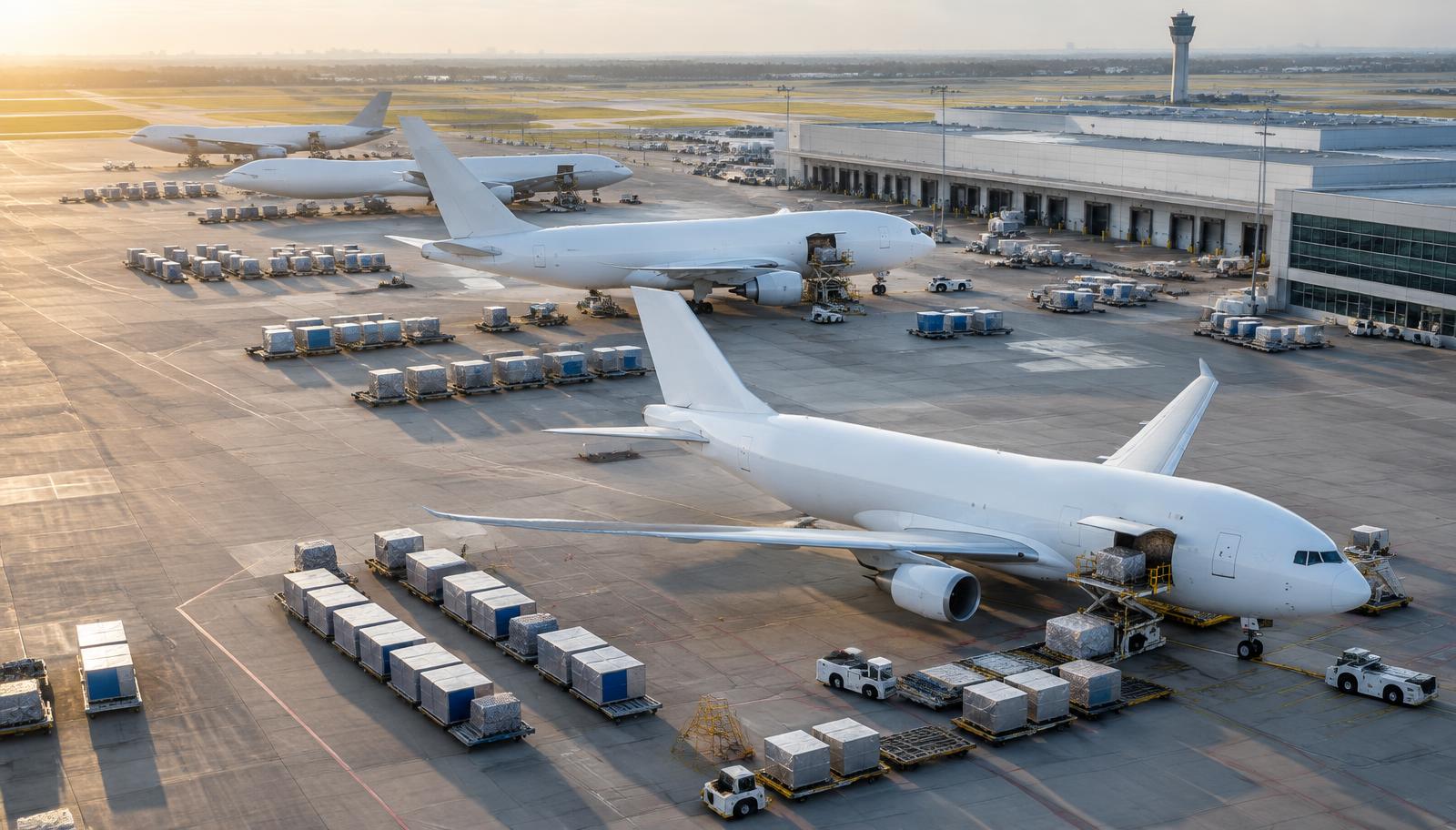
Sea-air operations bring together vessel schedules, transfer handling and onward flight connections. Images illustrate the different stages that must align for a reliable combined movement.
Operations in motion
Case study
Seasonal replenishment required a faster option than a full ocean journey, while all-air movements across the full volume placed pressure on transport budgets.
Fast Safe Cargo compared sea-air routings with ocean and air alternatives, mapped transfer windows and coordinated cargo preparation and status updates across the mode change.
FAQ
Can't find what you're looking for? Our specialists are available around the clock.
Contact our teamKeep exploring
 Air & Multimodal
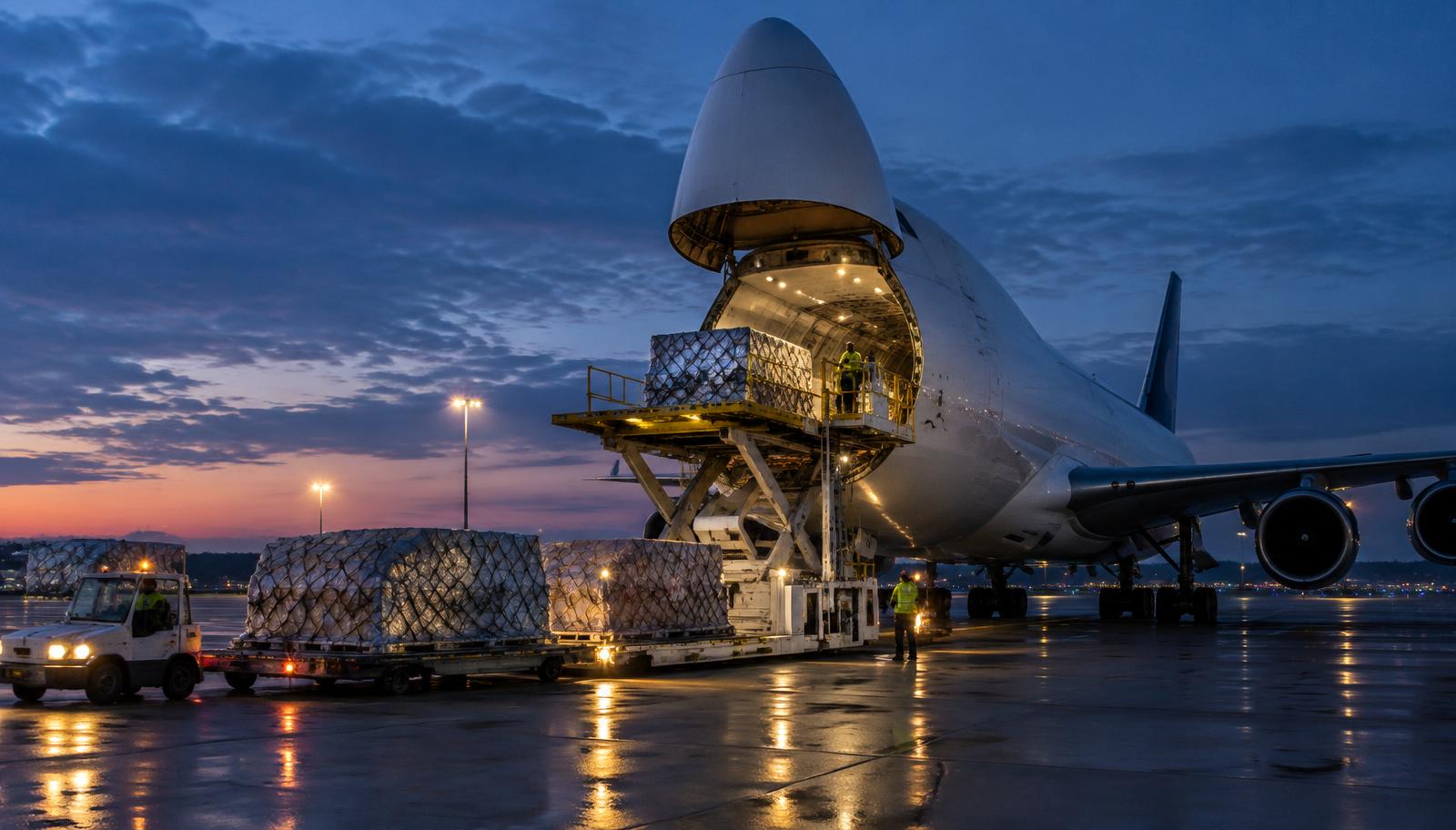
Flexible air freight, from express and charter capacity to temperature-controlled handling, coordinated across 1,200+ weekly flight connections.
ExploreOcean FreightOcean freight connecting global markets with coordinated container, temperature-controlled and specialised cargo services.
Explore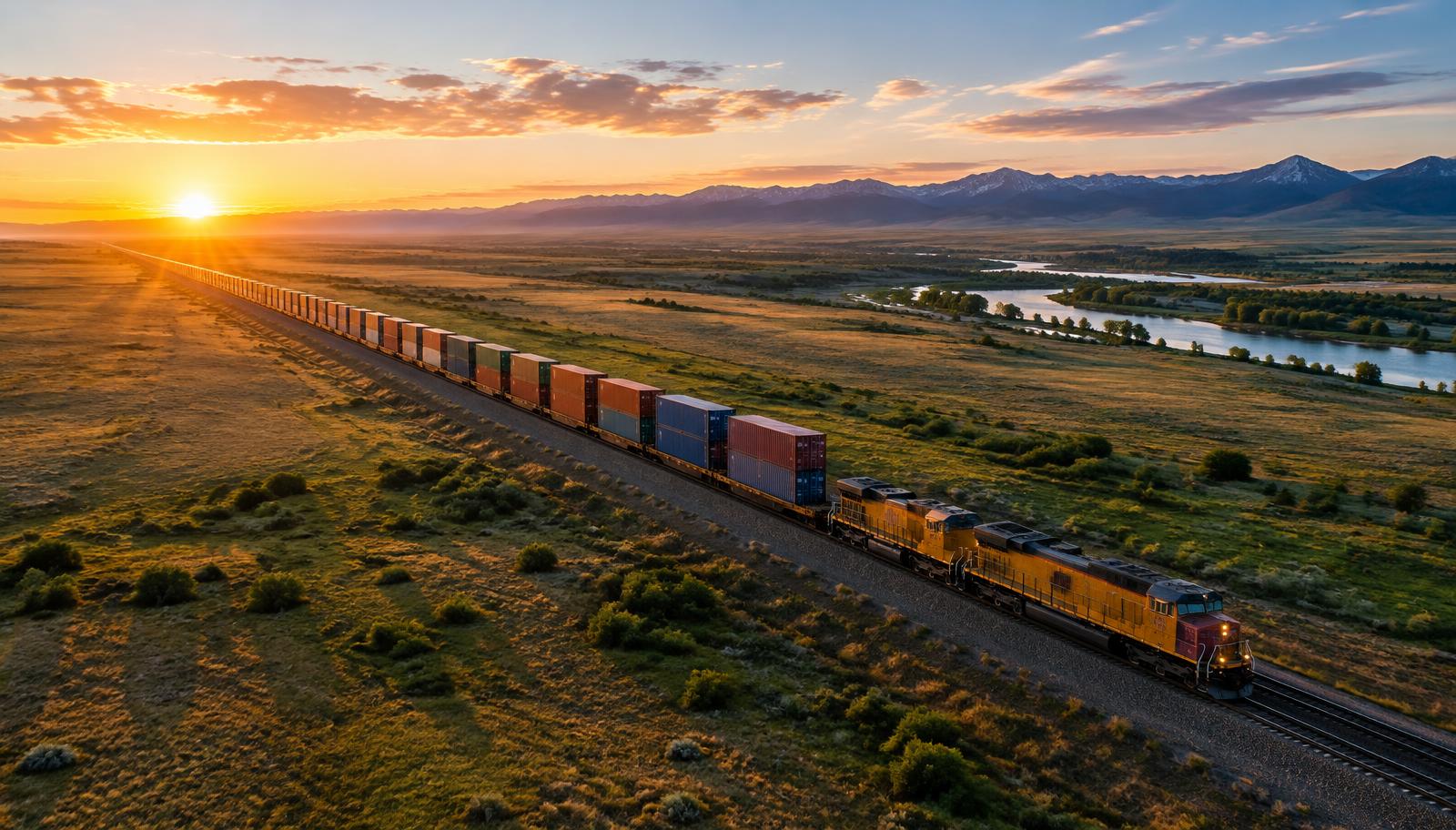 Air & Multimodal
Rail freight solutions connect major trade corridors with coordinated terminal handling, shipment visibility and onward transport planning.
Explore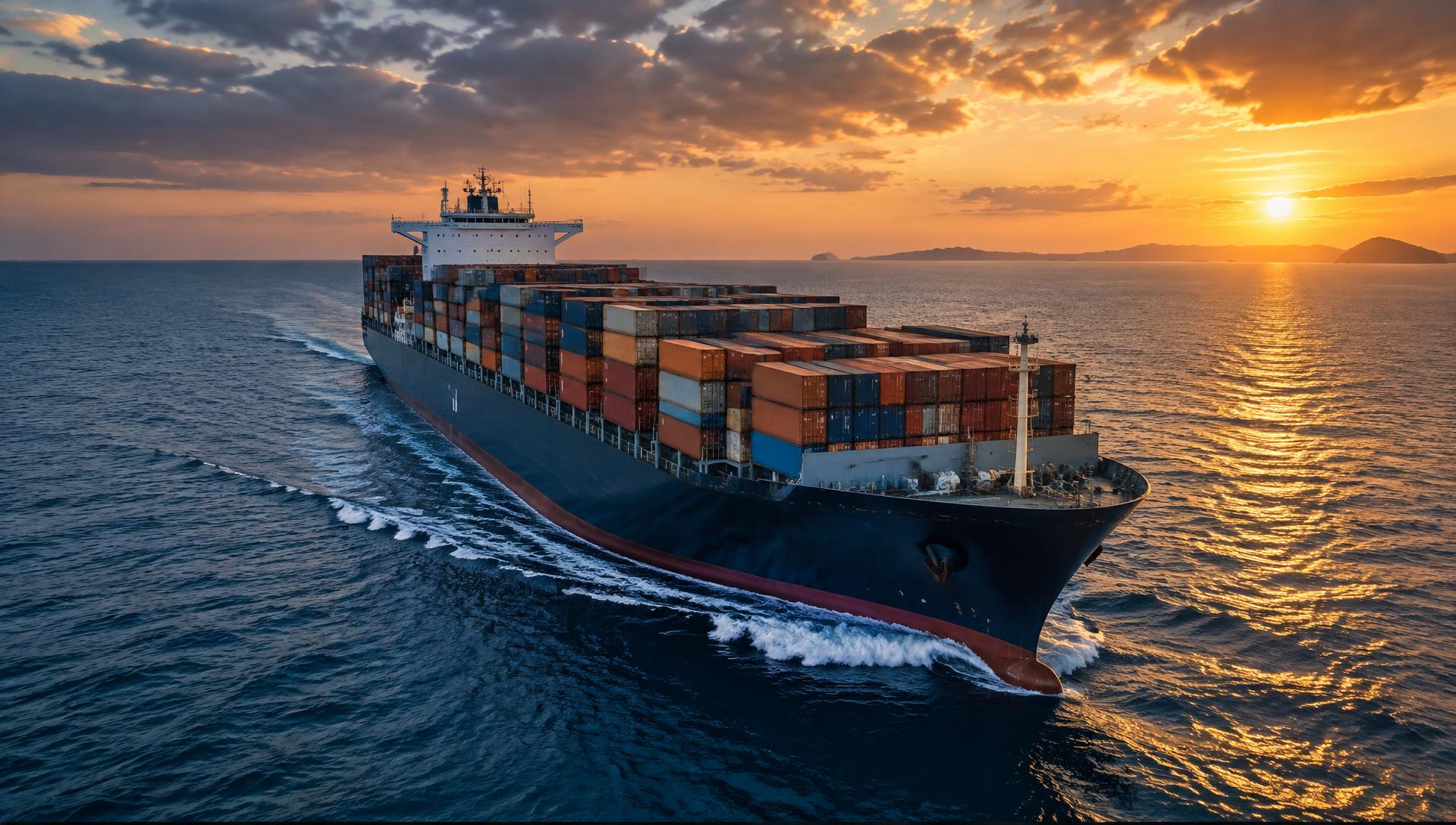
Speak with Fast Safe Cargo about sea-air solutions requirements, routing options and an operating scope tailored to your shipment.