01
Optional choice
Customers decide whether to participate, by shipment, account or lane, with no change to how cargo is booked or handled.
Overview
Our carbon offset programme is an optional, transparent way for customers to take responsibility for shipment emissions that cannot yet be avoided. It complements — and never replaces — our focus on reducing emissions in operations.
Contributions support projects that meet recognised verification standards, with preference for projects that deliver measurable removals or durable reductions alongside benefits for local communities. Project details, registries and retirement records are shared with participants.
Offsets are calculated from shipment-level emissions estimates and reported separately from our reduction targets. We encourage customers to describe offsets accurately in their own communications and not to present offset shipments as zero emission.
Optional
Customer participation
How we work
Our teams connect operational decisions with measurable priorities and clear communication.
Customers decide whether to participate, by shipment, account or lane, with no change to how cargo is booked or handled.
Projects are selected against recognised standards for additionality, permanence and independent verification.
Preference for removals and durable reductions, including projects with clear co-benefits for local communities and ecosystems.
Offset volumes are calculated from GLEC-aligned shipment emissions estimates, so contributions match actual transport activity.
Registry retirement details are provided so participants can verify that credits have been permanently retired on their behalf.
Guidance helps customers describe offsets accurately and keep them separate from emissions reduction achievements.
Performance & context
How it works
A consistent process helps translate priorities into decisions, delivery and review.
Capture origin, destination, transport mode, cargo weight and relevant shipment or service details. Confirm whether the requested estimate covers a single leg or a multi-leg logistics chain.
Identify included activities and lifecycle scope. For comparable logistics-chain reporting, apply consistent boundaries and disclose exclusions, allocation choices and any material data limitations.
Calculate transport activity and apply appropriate mode-specific emissions factors. The GLEC Framework provides logistics emissions accounting guidance and is aligned with ISO 14083 requirements for quantifying and reporting transport-chain emissions.
Check units, assumptions and available data quality, then interpret the result as an estimate. Retain supporting inputs and do not present indicative outputs as independently verified inventory figures.
Reference
| Consideration | Why it matters | Practical response |
|---|---|---|
| Scope | Defines what is included | Agree boundary before comparison |
| Operational context | Availability differs by route and provider | Confirm details with the service team |
| Evidence | Supports credible decisions | Keep source records and assumptions |
| Review | Conditions and data can change | Reassess periodically |
In operation
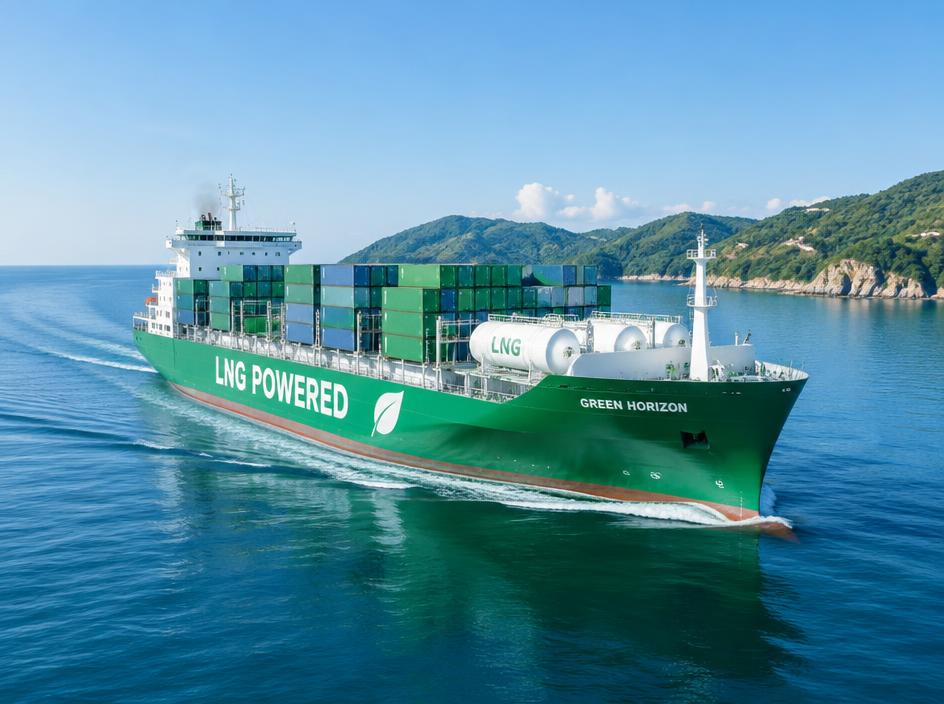
Our sustainability work depends on collaboration across the logistics chain. Fast Safe Cargo teams can discuss carbon offset programme priorities, operational context and available information for your requirements.
Working together on progress


FAQ
Can't find what you're looking for? Our specialists are available around the clock.
Contact our teamKeep exploring
 Green Solutions
Estimate and compare the CO₂e footprint of a shipment by ocean, air, road or rail using GLEC-aligned factors.
Explore Green Solutions
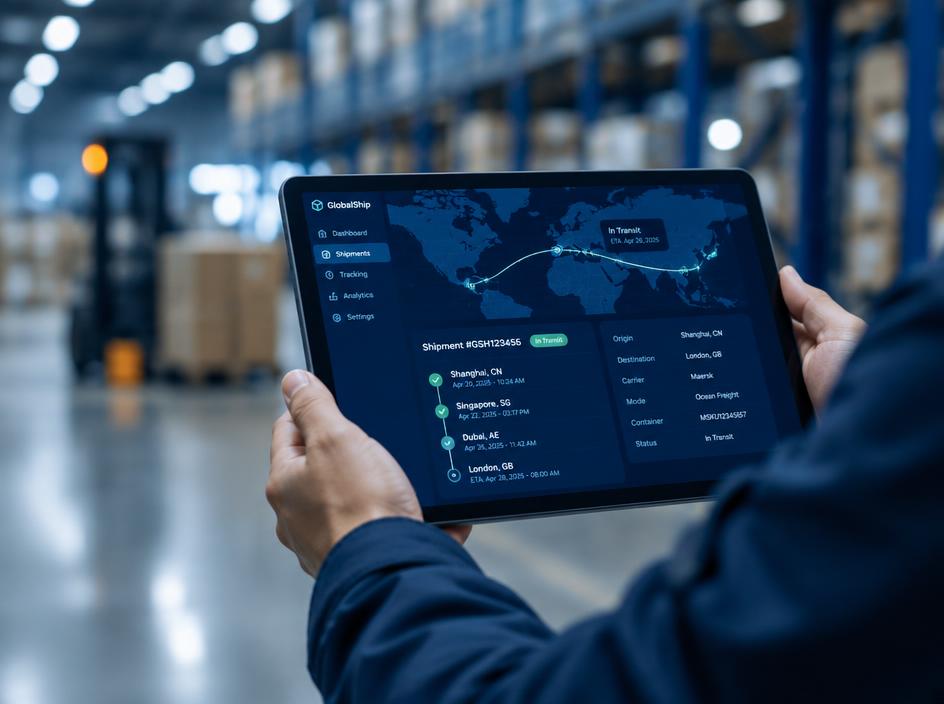
Lower-emission ocean options using dual-fuel LNG vessels, efficient routing and better utilisation, with emissions data per shipment.
ExploreOur CommitmentHow climate considerations shape our network planning, procurement, operations and governance across 54 countries.
Explore
Share your route, operational priorities and reporting needs so we can identify relevant information and practical next steps.