01
Dual-fuel tonnage
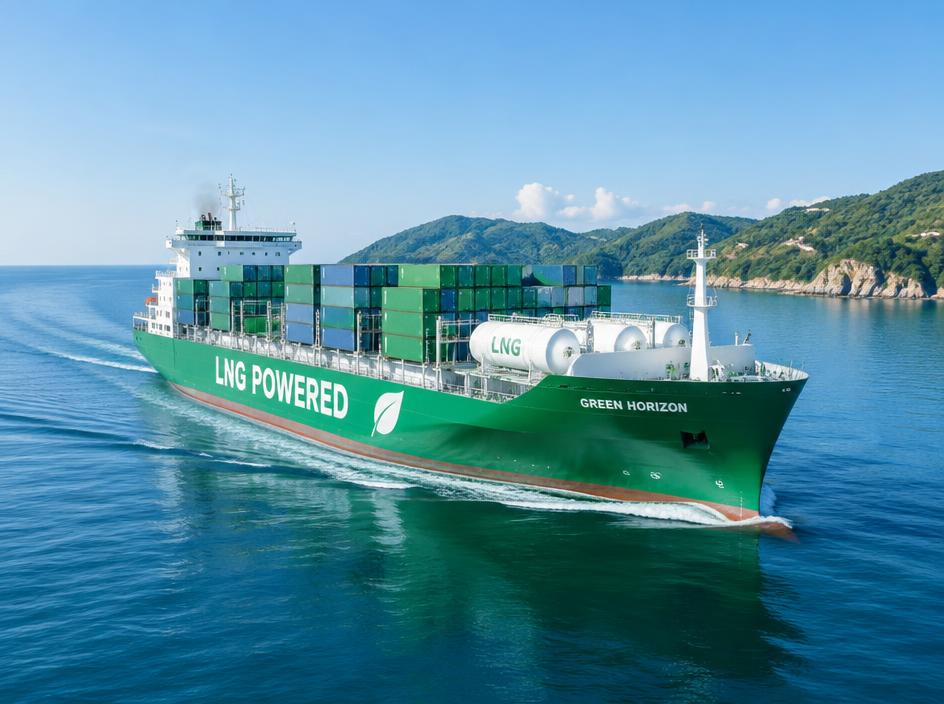
Twelve LNG-capable vessels deployed where they deliver the greatest reduction, with fleet renewal planned around flexible-fuel engines.
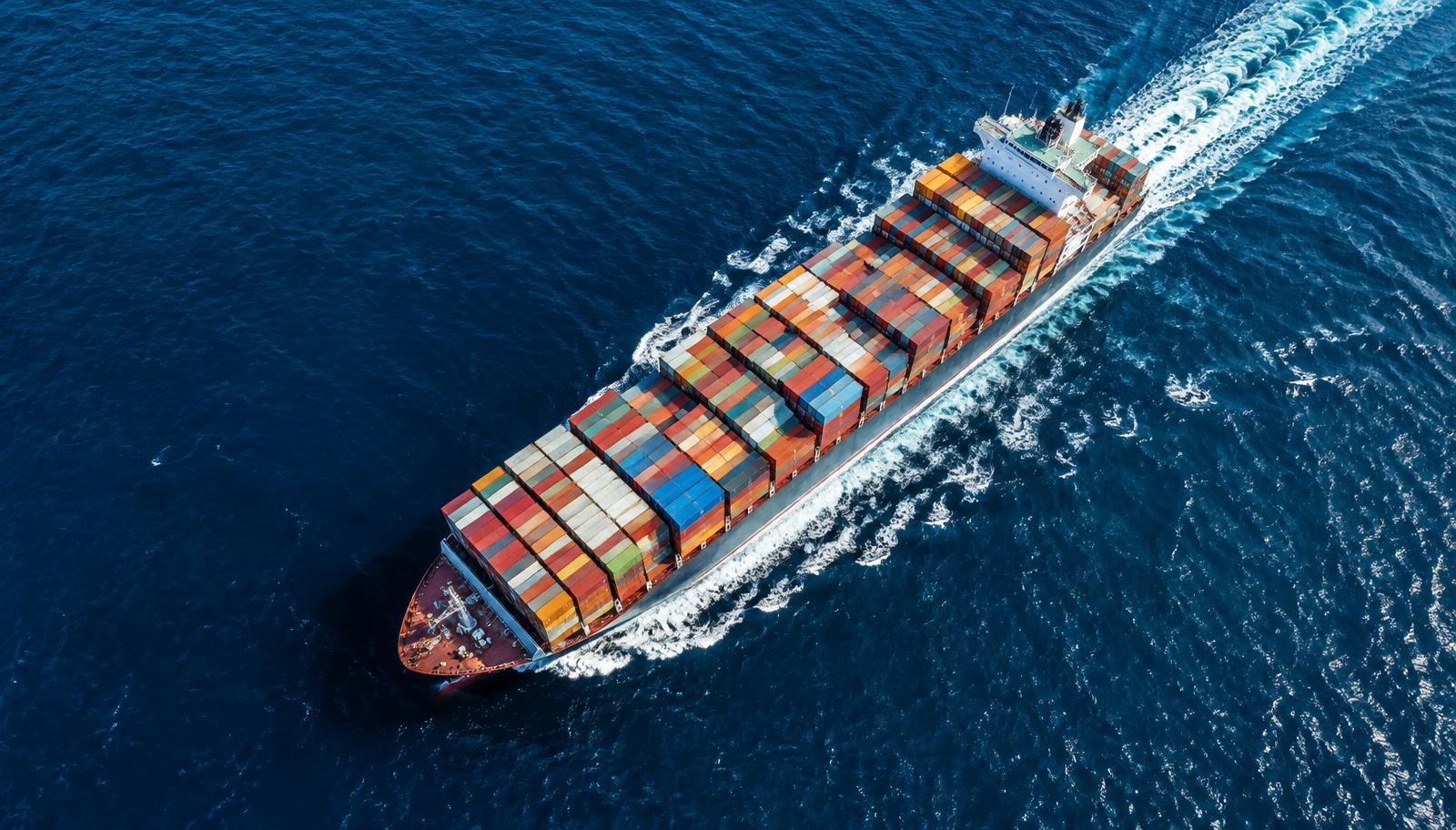
Overview
Low-carbon shipping gives customers a practical way to reduce the emissions of their ocean freight without changing how they book. Options combine our dual-fuel LNG vessels, efficient network routings and, where available, bio-fuel blends allocated to participating shipments.
Twelve of our 58 vessels are dual-fuel LNG capable. Deploying them on core trade lanes and pairing them with optimised speed and routing produces lower emissions per TEU-kilometre than conventional fuel on comparable services.
Each participating shipment receives an emissions estimate calculated with GLEC-aligned methods. Where fuel allocation or book-and-claim approaches are used, the method and supporting documentation are explained so customers can report the result accurately.
58
owned and chartered vessels
How we work
Our teams connect operational decisions with measurable priorities and clear communication.
Twelve LNG-capable vessels deployed where they deliver the greatest reduction, with fleet renewal planned around flexible-fuel engines.
Voyage planning that reduces distance, waiting time at anchor and unnecessary speed, cutting fuel use while protecting schedules.
Consolidation and equipment planning raise container fill rates so each tonne of cargo carries a smaller share of vessel emissions.
Bio-fuel blends can be allocated to customer shipments on request, subject to supply, price and documentation availability.
GLEC-aligned shipment estimates show the expected reduction compared with a conventional baseline for the same lane.
Documentation explains methods, factors and any allocation approach so results can be used in customer disclosures.
Performance & context
How it works
A consistent process helps translate priorities into decisions, delivery and review.
Capture origin, destination, transport mode, cargo weight and relevant shipment or service details. Confirm whether the requested estimate covers a single leg or a multi-leg logistics chain.
Identify included activities and lifecycle scope. For comparable logistics-chain reporting, apply consistent boundaries and disclose exclusions, allocation choices and any material data limitations.
Calculate transport activity and apply appropriate mode-specific emissions factors. The GLEC Framework provides logistics emissions accounting guidance and is aligned with ISO 14083 requirements for quantifying and reporting transport-chain emissions.
Check units, assumptions and available data quality, then interpret the result as an estimate. Retain supporting inputs and do not present indicative outputs as independently verified inventory figures.
Reference
| Consideration | Why it matters | Practical response |
|---|---|---|
| Scope | Defines what is included | Agree boundary before comparison |
| Operational context | Availability differs by route and provider | Confirm details with the service team |
| Evidence | Supports credible decisions | Keep source records and assumptions |
| Review | Conditions and data can change | Reassess periodically |
In operation
Our sustainability work depends on collaboration across the logistics chain. Fast Safe Cargo teams can discuss low-carbon shipping priorities, operational context and available information for your requirements.
Working together on progress

FAQ
Can't find what you're looking for? Our specialists are available around the clock.
Contact our teamKeep exploring
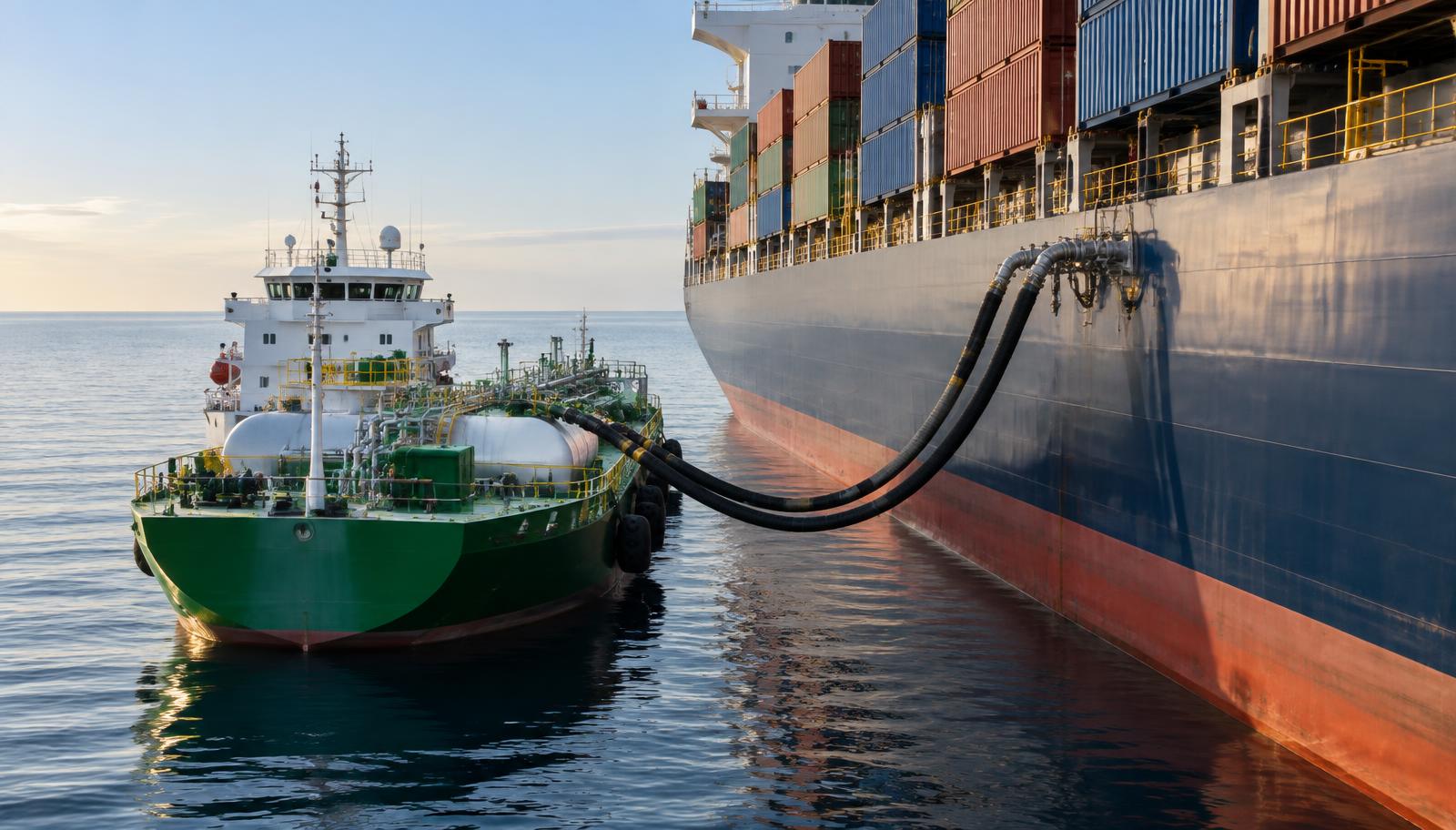 Green Solutions
Bio-fuel blends allocated to your ocean shipments on request, with well-to-wake estimates and batch-level documentation.
Explore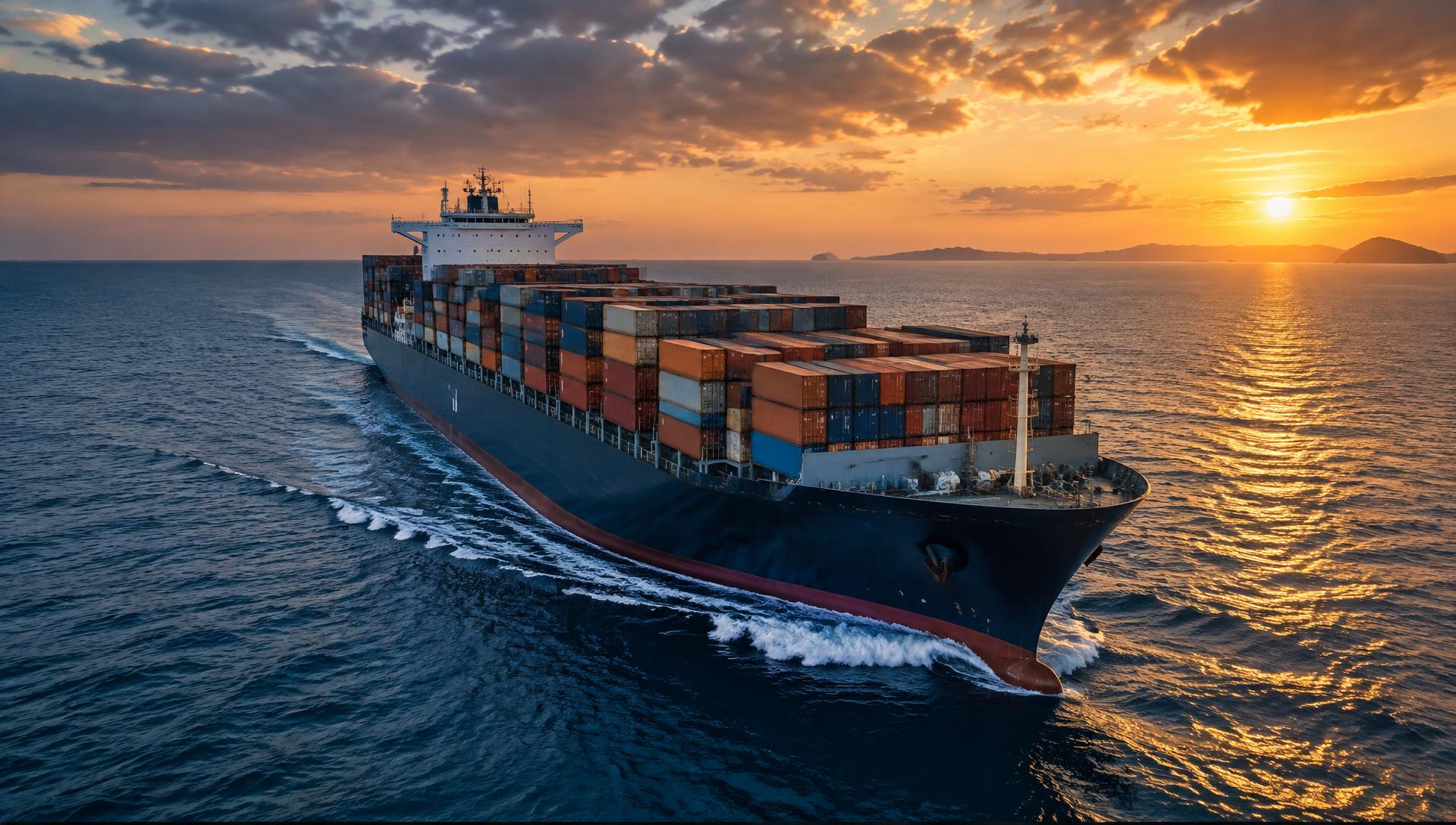 Green Solutions
Twelve dual-fuel LNG vessels in our 58-ship fleet, ready to move to bio-LNG and other lower-carbon fuels as supply grows.
Explore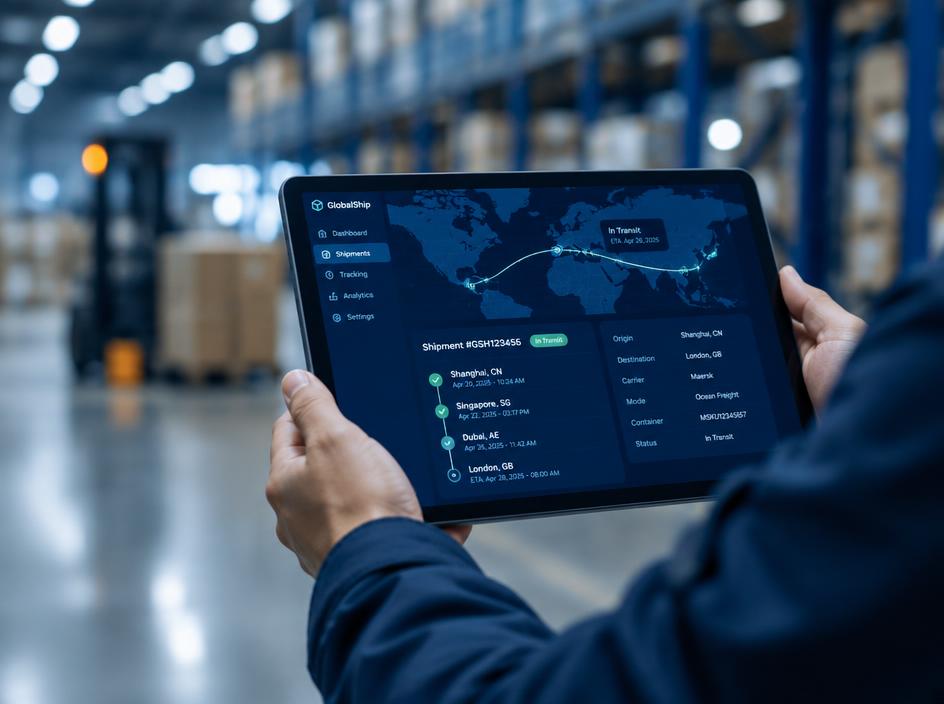 Green Solutions
Estimate and compare the CO₂e footprint of a shipment by ocean, air, road or rail using GLEC-aligned factors.
ExploreShare your route, operational priorities and reporting needs so we can identify relevant information and practical next steps.