01
Rule selection
A short explanation of each of the eleven rules helps buyers and sellers choose the term that matches their responsibilities.

Overview
The Incoterms® 2020 Guide explains the eleven trade rules published by the International Chamber of Commerce. Each rule sets out where the seller delivers the goods, when risk passes to the buyer and who pays for main carriage, insurance and export and import clearance.
Seven rules apply to any mode of transport, including multimodal container shipments: EXW, FCA, CPT, CIP, DAP, DPU and DDP. Four apply only to sea and inland waterway transport: FAS, FOB, CFR and CIF. Choosing a sea-only rule for containerised cargo can leave the parties with an unintended gap in risk.
Incoterms® rules do not cover transfer of ownership, payment terms or remedies for breach. They should be used with a precisely named place and read alongside the sales contract. This guide is a summary; for specific transactions, refer to the ICC rules and take trade or legal advice.
11 rules
Tool capability
Built for operational clarity
A focused set of capabilities helps teams move from information to an appropriate next action.
A short explanation of each of the eleven rules helps buyers and sellers choose the term that matches their responsibilities.
See exactly where risk passes from seller to buyer under each rule, the point most often misunderstood in practice.
Understand who pays for main carriage, insurance, export clearance and import duties under each term.
Rules are grouped by whether they apply to any mode or only to sea and inland waterway transport.
Guidance on naming the delivery place precisely, which is essential to avoid disputes over cost and risk.
Practical notes on common pitfalls, such as using FOB for containers, with a recommendation to seek advice for specific contracts.
Operational context
How it works
Follow these steps to use the tool responsibly and make the result actionable.
Decide whether the shipment is containerised, multimodal or conventional sea cargo.
Decide who will arrange main carriage, insurance and clearance.
Choose the Incoterms® rule that matches those responsibilities.
Specify the exact delivery place or port in the contract.
Share the agreed term with FSC so bookings and documents match.
Reference
High-level summary only. Named place/port, delivery point and contract wording matter; consult the ICC rules and obtain trade advice for your transaction.
| Rule | Mode | Risk transfers | Who pays main carriage |
|---|---|---|---|
| EXW | Any | Goods placed at seller’s disposal | Buyer |
| FCA | Any | When delivered to buyer’s nominated carrier at agreed place | Buyer |
| CPT | Any | On handover to first carrier | Seller |
| CIP | Any | On handover to first carrier | Seller |
| DAP | Any | At destination, ready for unloading | Seller |
| DPU | Any | At destination after unloading | Seller |
| DDP | Any | At destination, import-cleared and ready for unloading | Seller |
| FAS | Sea / inland waterway | Alongside vessel at shipment port | Buyer |
| FOB | Sea / inland waterway | On board vessel at shipment port | Buyer |
| CFR | Sea / inland waterway | On board vessel at shipment port | Seller |
| CIF | Sea / inland waterway | On board vessel at shipment port | Seller |
In operation
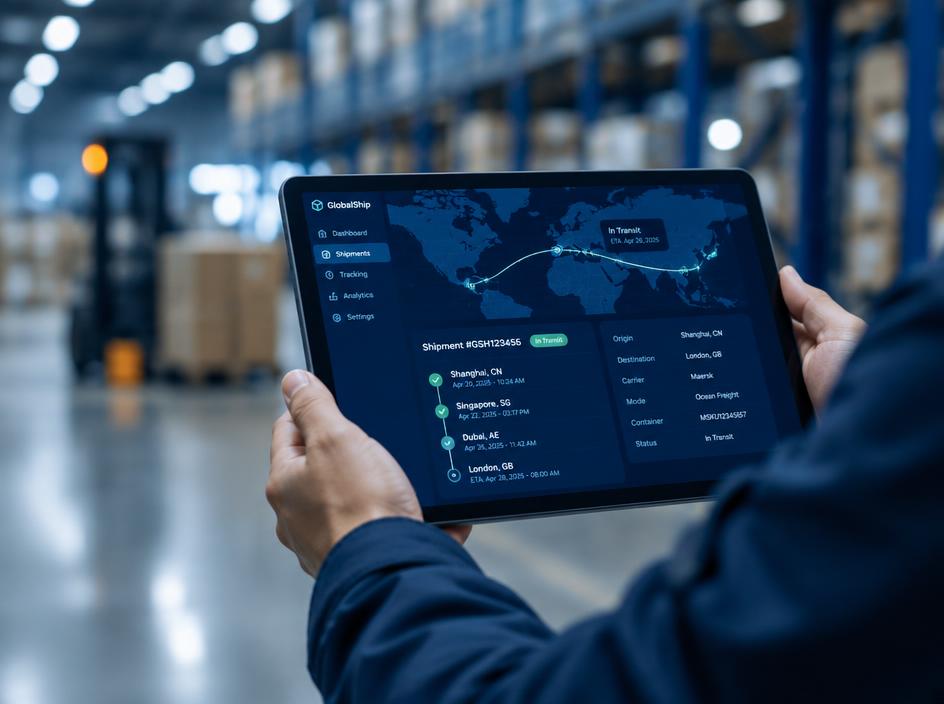
FSC digital tools support better coordination across transport and customer workflows. Access and available content depend on account permissions, route and operational data sources.

Connected logistics information


FAQ
Can't find what you're looking for? Our specialists are available around the clock.
Contact our teamKeep exploring
 Track & Plan
Follow shipment milestones in one view, from booking confirmation through delivery and document availability.
Explore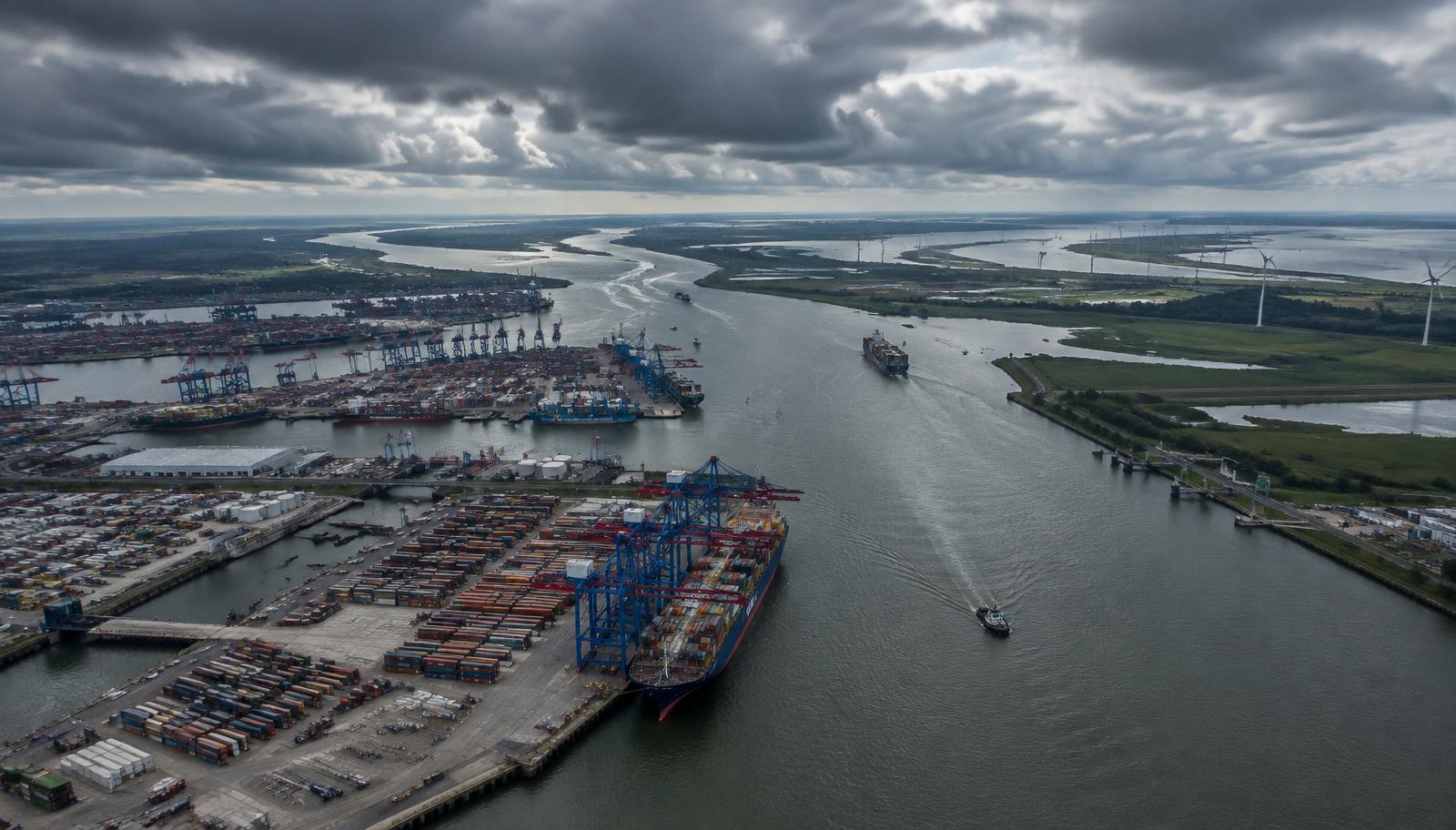 Track & Plan
Compare planned services and port connections to select a routing that fits your cargo priorities.
Explore Track & Plan
View vessel position and voyage context alongside the shipment information that matters to your team.
Explore
Speak with your FSC representative for operational guidance or access support.