01
Class diversity
A range of vessel capacities enables deployment options across different trade lanes, port infrastructure and shipment volumes.
Overview
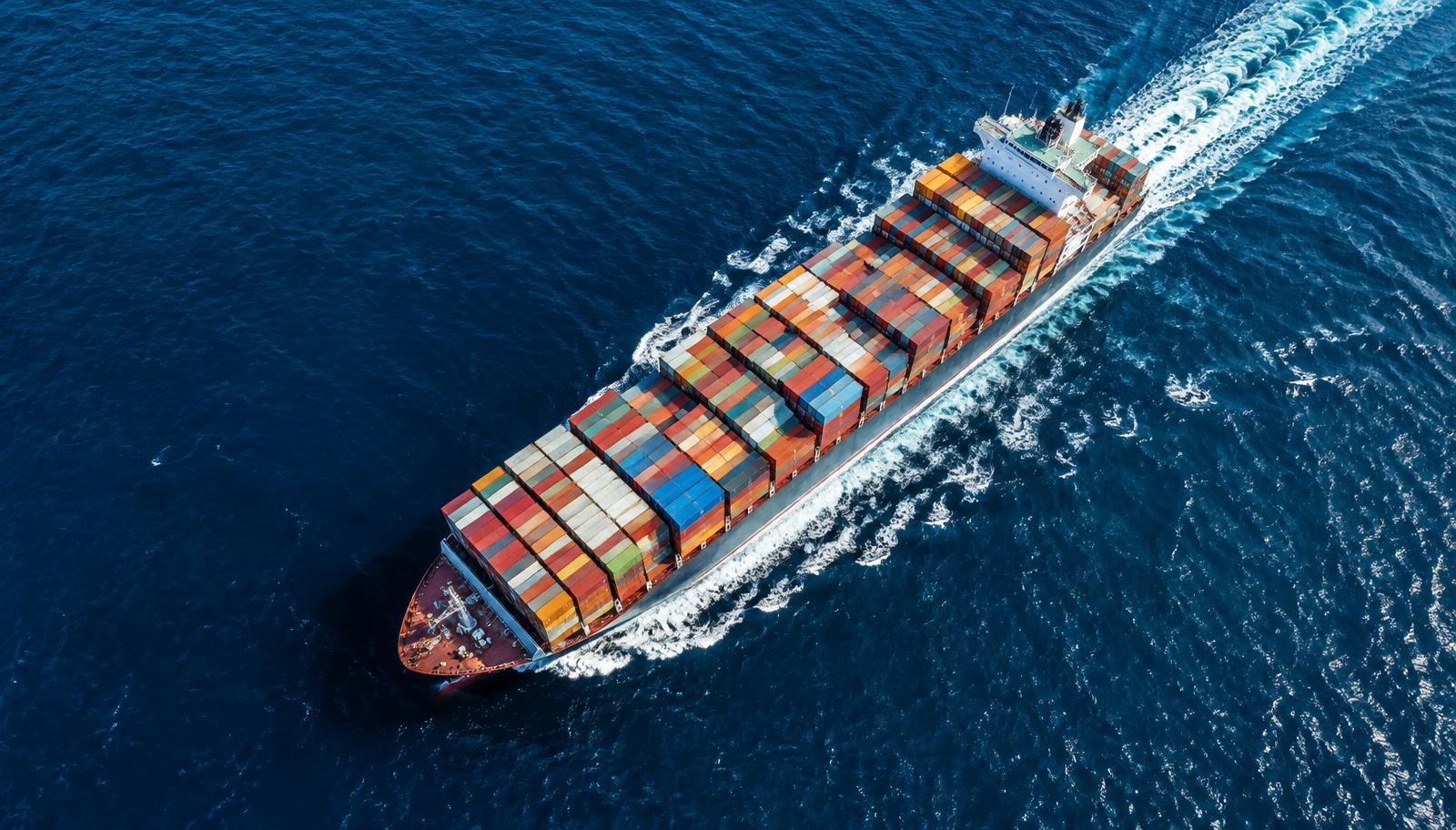
FSC operates a mix of owned and chartered vessels, with individual capacities ranging from 1,700 to 15,000 TEU. This range supports different service patterns, port constraints and cargo volumes across the network.
Fleet deployment is planned alongside port access, schedule design and cargo demand. Vessel class and fuel configuration vary by trade and sailing; published class ranges are indicative categories, not a promise that a particular vessel will operate on a specific voyage.
Twelve vessels are dual-fuel LNG capable. Fleet efficiency is one part of FSC's wider climate programme, which targets a 40% reduction in CO₂ intensity per TEU-km by 2030 against 2019 and net zero by 2050.
12
dual-fuel LNG vessels
Fleet profile
The fleet combines feeder, regional and larger-capacity vessel classes.
A range of vessel capacities enables deployment options across different trade lanes, port infrastructure and shipment volumes.
Operational planning takes account of port access, terminal capability, voyage timing and cargo demand before vessel assignment.
Twelve vessels are dual-fuel LNG capable, forming one part of the company's broader work to reduce shipping emissions intensity.
FSC balances vessel capacity with anticipated demand to support reliable service and efficient use of available space.
Vessels are allocated to services according to network requirements; individual assignments can vary over time and by sailing.
Fleet operations contribute to the 2030 target of reducing CO₂ intensity per TEU-km by 40% from the 2019 baseline.
Capacity growth
Reference
Representative operating classes; deployment varies by route, port and schedule.
| Class name | Capacity (TEU) | Count | Fuel type | Typical deployment |
|---|---|---|---|---|
| Feeder | 1,700–3,000 | 14 | Conventional marine fuel; class-level mix varies | Regional and smaller-port connections |
| Regional | 3,001–5,500 | 16 | Conventional marine fuel; class-level mix varies | Short- and medium-haul regional services |
| Panamax | 5,501–8,500 | 12 | Conventional marine fuel; class-level mix varies | Inter-regional services and port-constrained routes |
| Post-Panamax | 8,501–12,000 | 9 | Conventional marine fuel; class-level mix varies | Major trade lanes with suitable terminals |
| Large-capacity | 12,001–15,000 | 7 | Includes dual-fuel LNG-capable vessels | High-volume trunk routes |
In operation
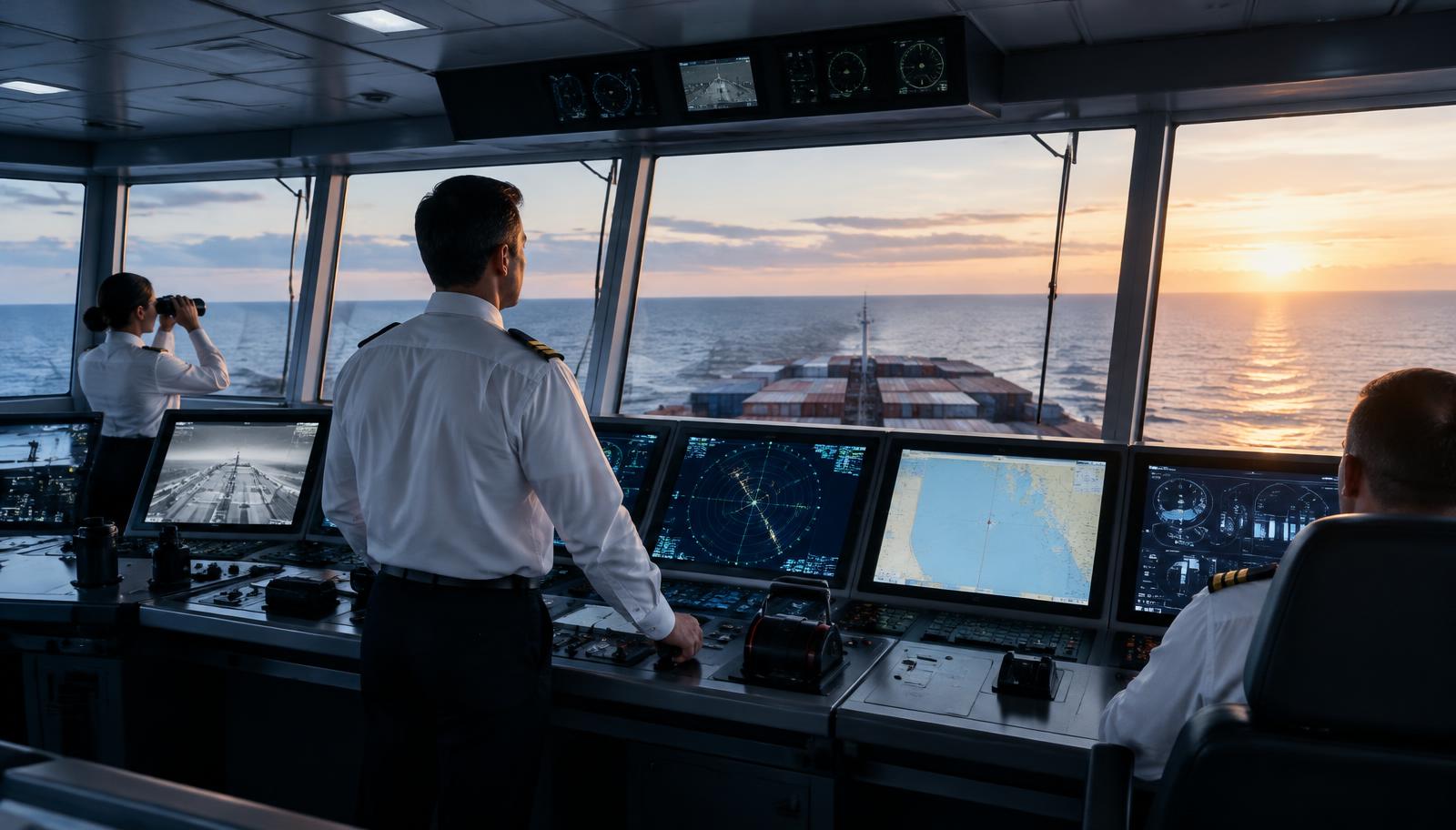
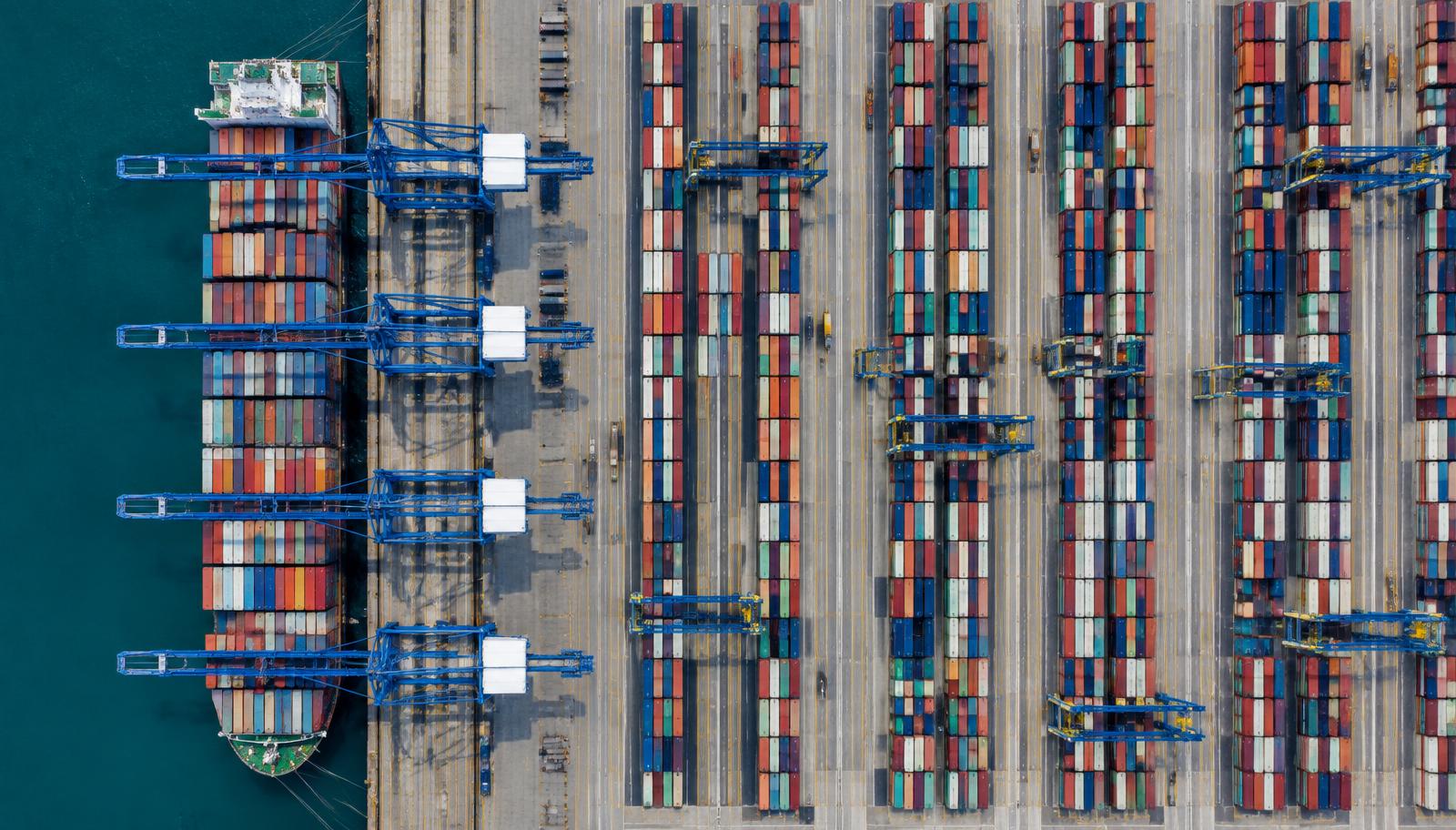
Fleet deployment connects vessel operations with terminal planning and customer schedules. View the operating environment behind ocean transport.
Container vessel under way
FAQ
Can't find what you're looking for? Our specialists are available around the clock.
Contact our teamKeep exploring
Ocean FreightOcean freight connecting global markets with coordinated container, temperature-controlled and specialised cargo services.
ExploreInfrastructureExplore how Fast Safe Cargo connects port pairs through owned, chartered and partner vessel capacity.
Explore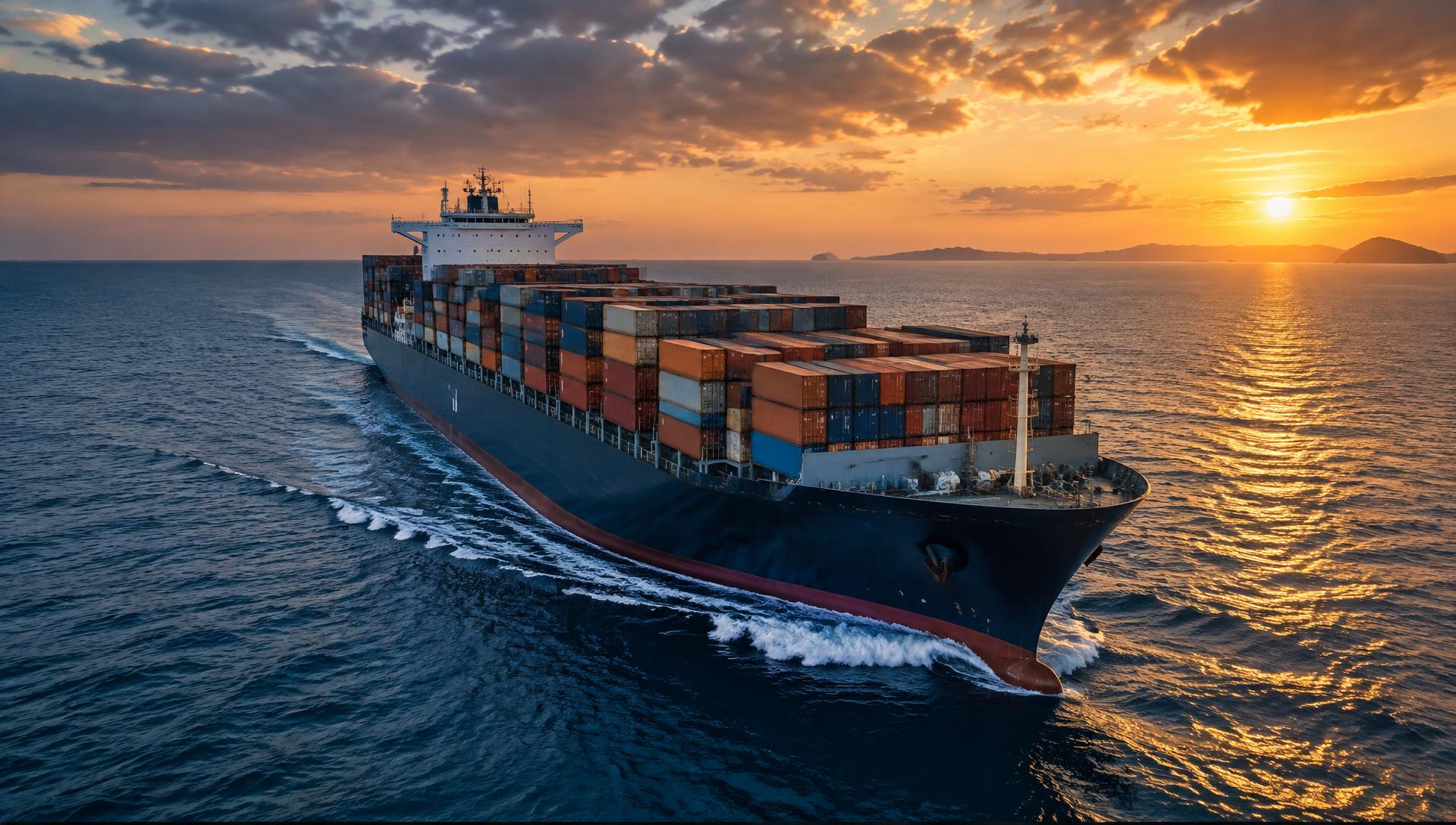 Green Solutions
Twelve dual-fuel LNG vessels in our 58-ship fleet, ready to move to bio-LNG and other lower-carbon fuels as supply grows.
ExploreContact FSC to discuss available services for your origin, destination and cargo profile.