01
Renewables expertise
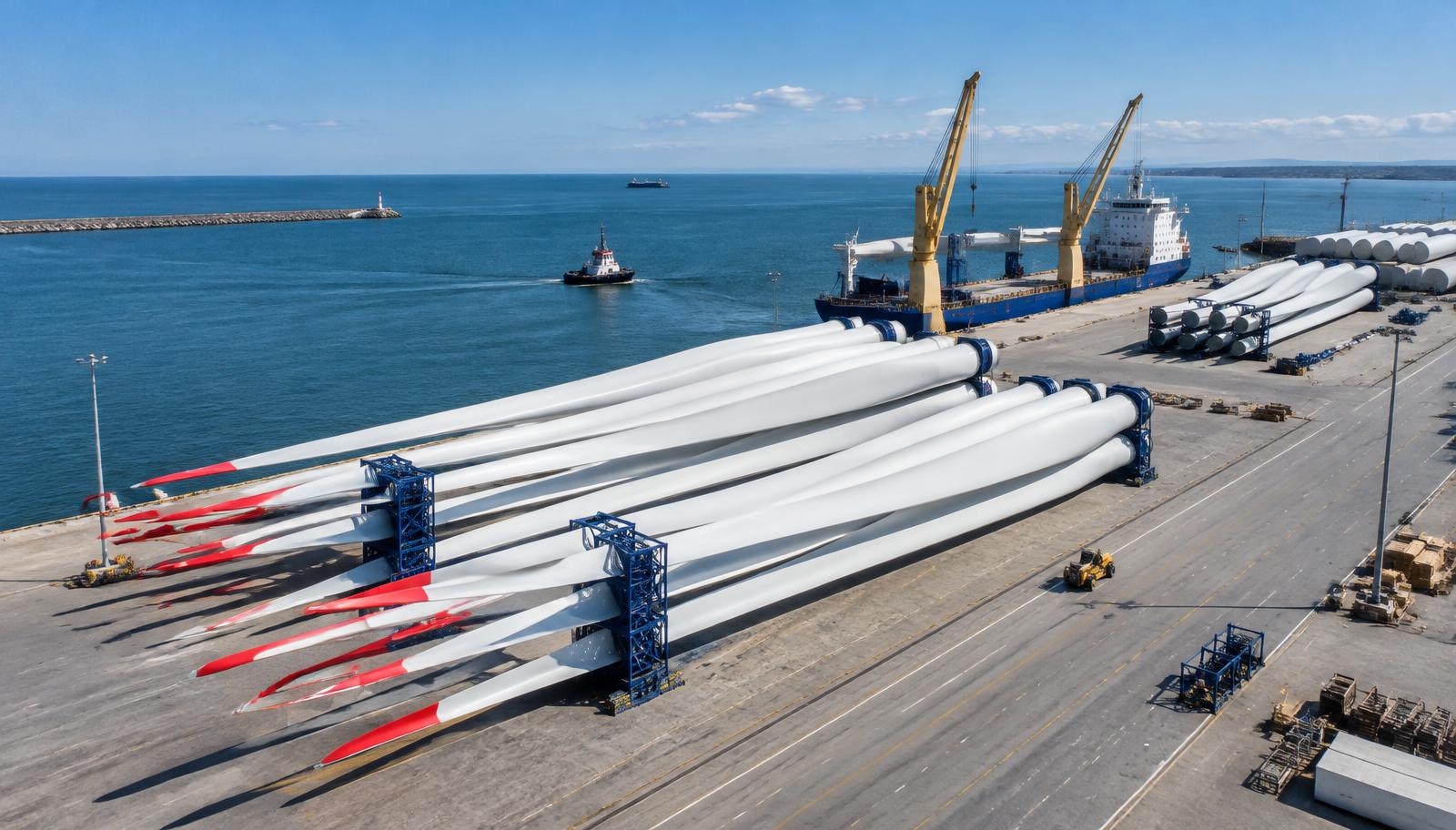
Plan the movement of blades, tower sections and power-generation equipment with attention to dimensions, packing, lifting points and route constraints.
Overview
Energy projects bring together equipment with very different dimensions, values and handling needs. Wind turbine blades, nacelles, towers, transformers and conventional energy components may travel through several modes before reaching a remote project site. Fast Safe Cargo coordinates ocean, air and inland movements around the project schedule, with early attention to route feasibility, lifting plans, permits and handover responsibilities.
Our project teams work with shippers, engineering contractors and local partners to build a transport plan from cargo data rather than assumptions. Dimensions, centre of gravity, lifting points, packaging and delivery sequence inform equipment selection and port arrangements. Where a movement requires specialist engineering or local approvals, these requirements are identified for validation before cargo is released for dispatch.
Renewable installations often depend on synchronised deliveries across long distances and constrained locations. We provide milestone visibility and exception escalation so project stakeholders can respond when a connection, port window or site condition changes. FSC's network spans 96 offices in 54 countries and serves more than 180 countries, supported by regional hubs and multimodal partner capacity.
Integrated logistics
Each movement is planned against the actual cargo, infrastructure and delivery sequence. One accountable coordination framework helps connect commercial, operational and site requirements.
Plan the movement of blades, tower sections and power-generation equipment with attention to dimensions, packing, lifting points and route constraints.
Combine ocean freight, air solutions and inland transport through partner networks to suit cargo characteristics, project timing and destination access.
Review potential ports, road restrictions, bridge limits and transhipment interfaces early, escalating specialist checks and permits for local confirmation.
Coordinate shipper, engineering contractor, carrier and destination stakeholders through agreed milestones, responsibilities and operational handovers.
Document cargo characteristics and handling instructions so terminals and transport partners can plan suitable equipment and safe working arrangements.
Use milestone updates and exception communication to maintain a shared view of planned and actual progress across multi-leg movements.
Planning perspective
How it works
A disciplined sequence turns project requirements into an executable movement plan, with technical and local validations assigned to the right parties.
Share dimensions, weights, packing, handling points, origin, destination, required delivery dates and any project sequencing or site-readiness constraints.
We review feasible modes, port interfaces and inland access, then identify specialist engineering, lifting, permits and local checks for confirmation.
Responsibilities, documentation, booking milestones and escalation contacts are aligned with the shipper, contractors and relevant transport partners.
Cargo progresses through planned handovers with milestone updates; changes to schedules or operating conditions are escalated for coordinated action.
Delivery evidence and operational learnings are reviewed with the project team to support close-out and improve planning for subsequent shipments.
Reference
| Cargo profile | Key planning input | Potential mode | Operational focus |
|---|---|---|---|
| Wind blades and tower sections | Length, support points, route limits | Breakbulk / project vessel, inland | Cradle design, lifting and road permits |
| Nacelles and generators | Weight, centre of gravity, protection | Ocean, air for urgent parts | Handling equipment and delivery sequence |
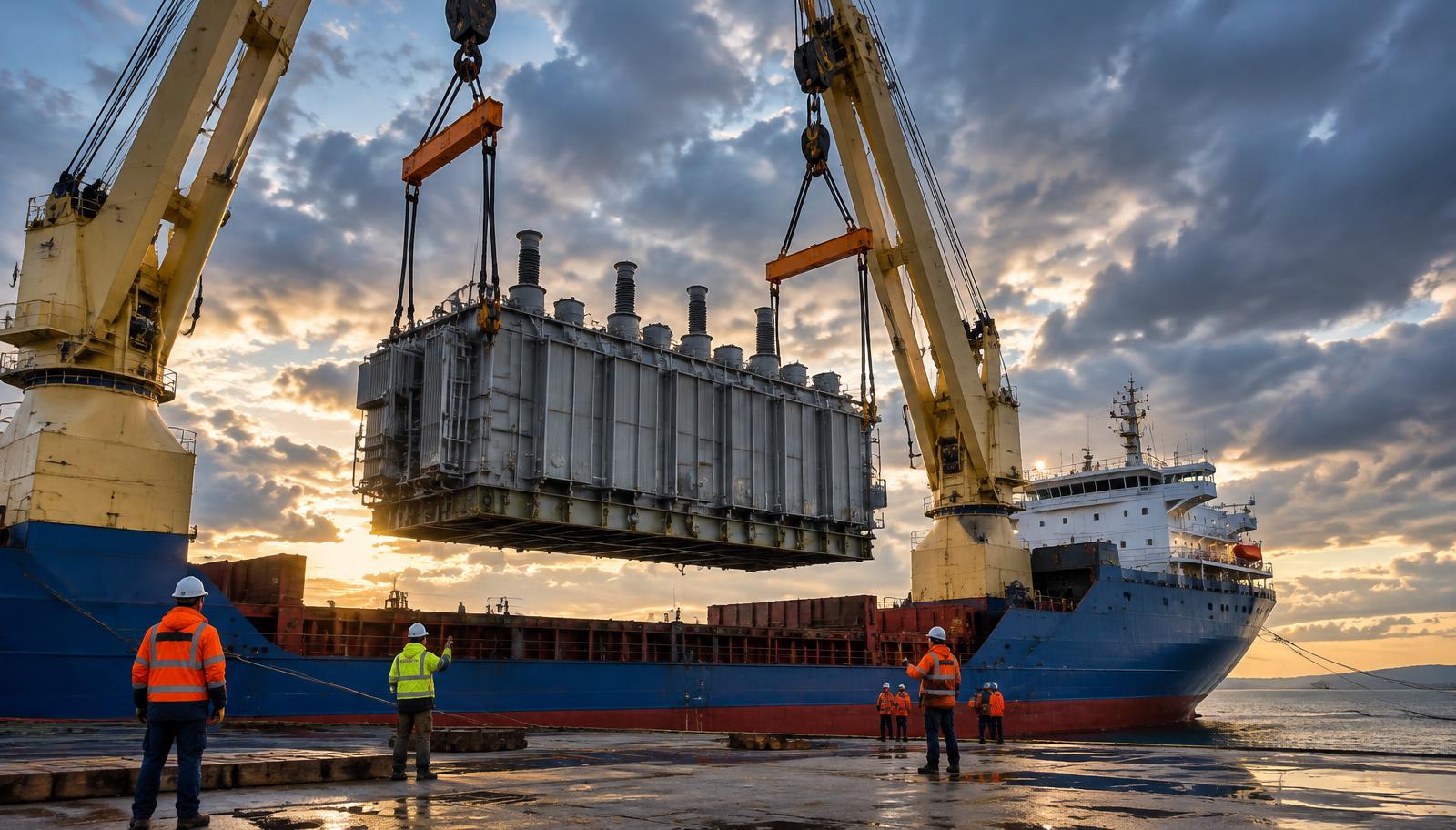
| Transformers | Dimensions, weight, sensitivity | Project ocean, inland specialist | Shock protection and route survey |
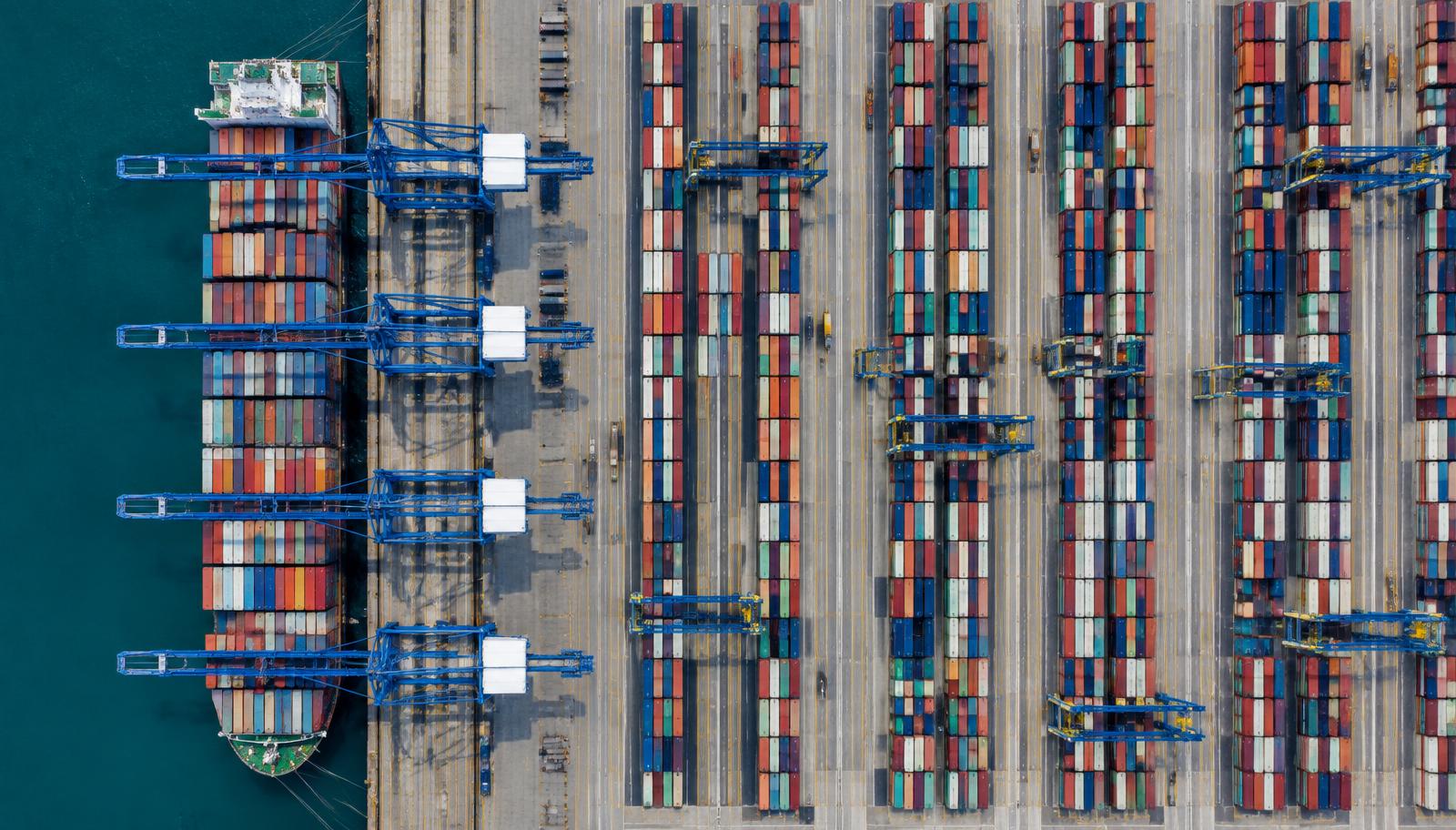
| Electrical and control equipment | Value, packaging, urgency | Containerised or air freight | Security, moisture protection, documentation |
| Structural modules | Lift points, dimensions, fabrication status | Breakbulk / project cargo | Port capability and site access |
In operation
Project imagery reflects the interfaces that shape successful energy logistics: cargo preparation, transport capacity and destination access. Equipment and route selection remain subject to shipment-specific review.
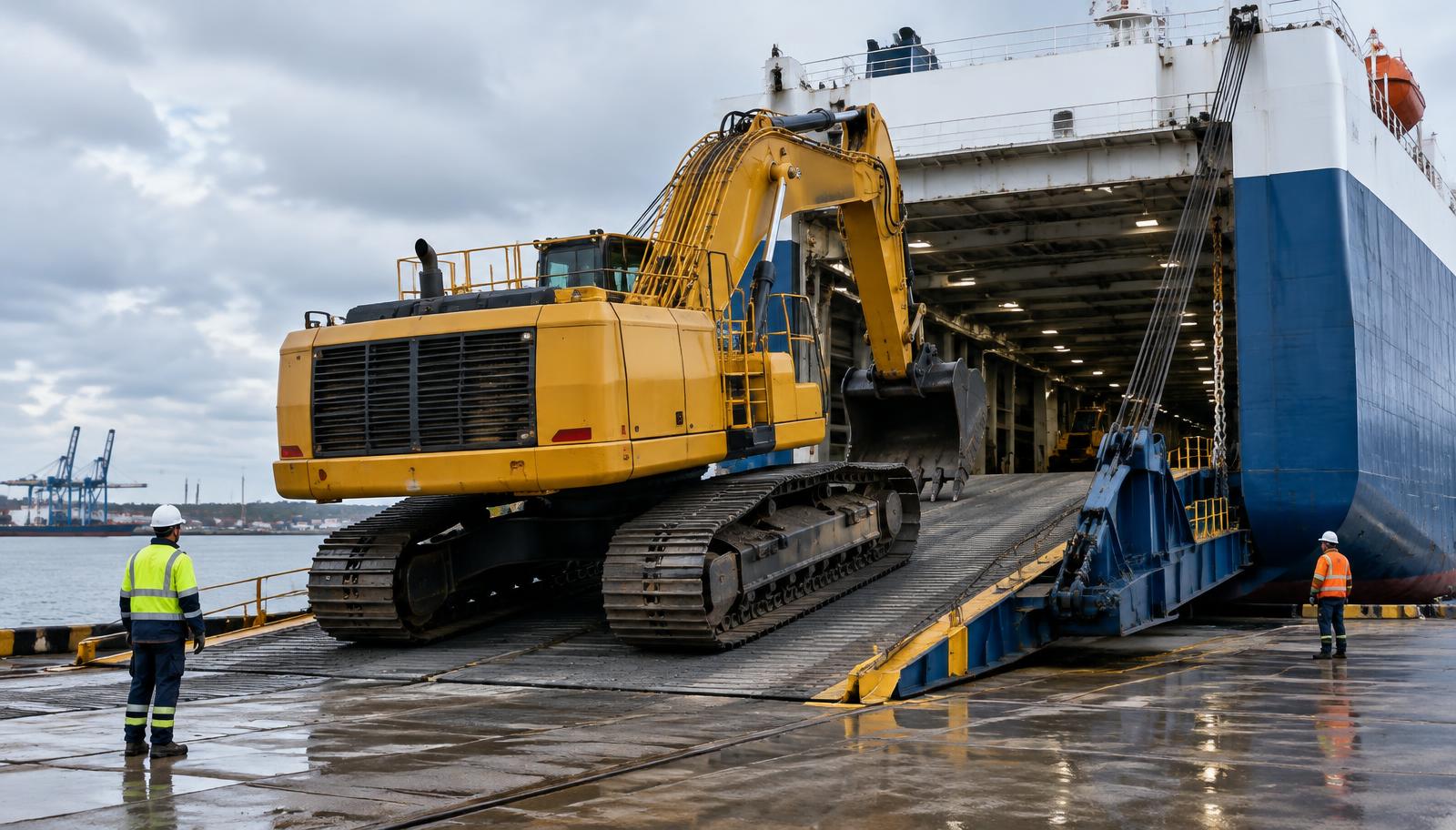
Designed around the cargo
Case study
A programme of turbine components required coordinated sailings and controlled inland delivery to a site with limited access and tightly sequenced installation windows.
FSC coordinated cargo data collection, route and port feasibility discussions, shipment milestones and destination handovers with the contractor and local transport partners.
FAQ
Can't find what you're looking for? Our specialists are available around the clock.
Contact our teamKeep exploring
IndustrialCoordinate complex, oversized and high-value cargo through engineered transport planning, multimodal execution and accountable shipment control.
ExploreIndustrialMove oversized machinery and heavy industrial equipment with engineered planning, suitable lifting methods and coordinated project logistics.
Explore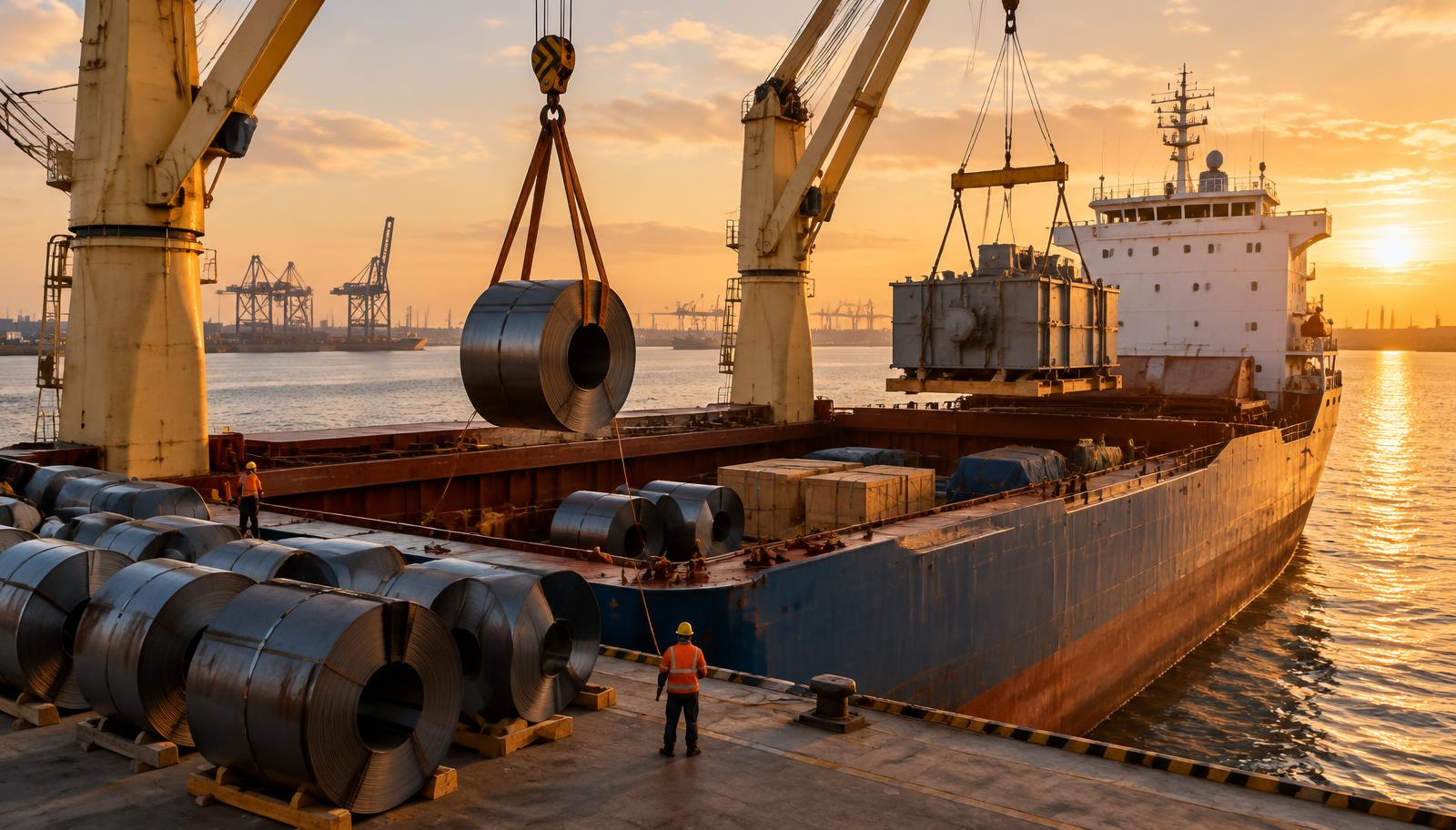 Ocean Freight
Breakbulk shipping for large or irregular cargo units that require specialist vessel, port and lifting coordination.
Explore
Share your route, cargo profile and delivery requirements with our team to develop a practical, compliant logistics plan.