01
Safety management
Documented procedures for navigation, cargo, maintenance and emergencies, audited internally and externally.
Overview
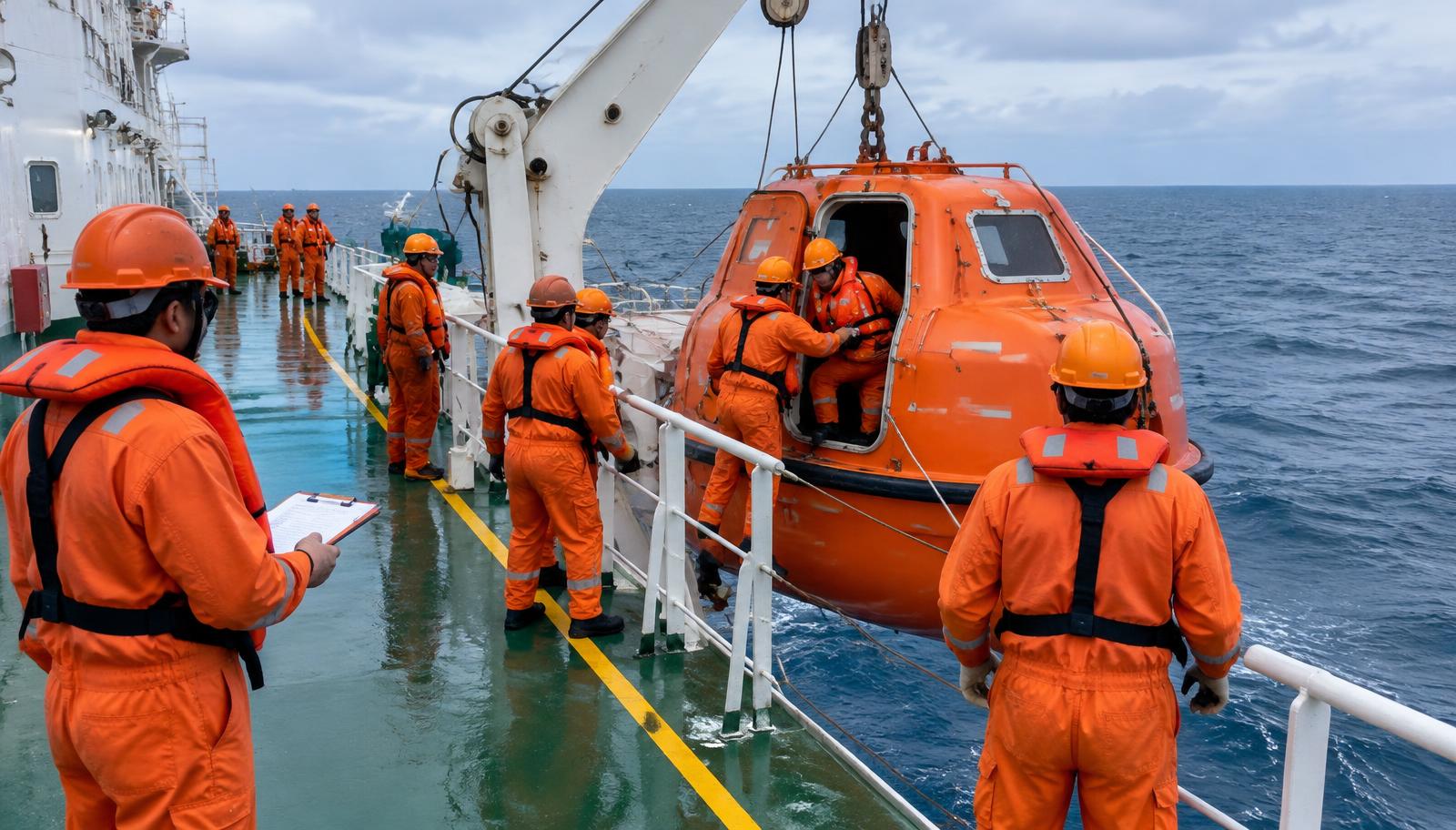
Safety is the foundation of every voyage. Across the 58 vessels we own and charter, safety management covers crew welfare, navigation, cargo stowage and securing, fire prevention and emergency preparedness, supported by an ISO 45001-certified management system.
Crew competence is central. Seafarers receive training beyond minimum requirements, including drills, bridge resource management and dangerous goods handling. Fatigue management, fair rest hours and access to welfare support are treated as safety issues, not only welfare ones.
Every incident and near miss is reported and investigated, and lessons are shared across the fleet. Our operations centre monitors weather and route conditions around the clock to support masters in making safe decisions.
58
owned and chartered vessels
How we work
Our teams connect operational decisions with measurable priorities and clear communication.
Documented procedures for navigation, cargo, maintenance and emergencies, audited internally and externally.
Regular drills and specialist courses, including bridge resource management and dangerous goods handling.
Rest-hour management, connectivity and access to support services protect crew health and wellbeing.
Accurate weights, correct stowage and lashing checks reduce the risk of container losses in heavy weather.
Near misses and incidents are investigated and lessons shared across the fleet to prevent recurrence.
Round-the-clock monitoring of weather and sea conditions supports masters in planning safe passages.
Performance & context
How it works
A consistent process helps translate priorities into decisions, delivery and review.
Capture origin, destination, transport mode, cargo weight and relevant shipment or service details. Confirm whether the requested estimate covers a single leg or a multi-leg logistics chain.
Identify included activities and lifecycle scope. For comparable logistics-chain reporting, apply consistent boundaries and disclose exclusions, allocation choices and any material data limitations.
Calculate transport activity and apply appropriate mode-specific emissions factors. The GLEC Framework provides logistics emissions accounting guidance and is aligned with ISO 14083 requirements for quantifying and reporting transport-chain emissions.
Check units, assumptions and available data quality, then interpret the result as an estimate. Retain supporting inputs and do not present indicative outputs as independently verified inventory figures.
Reference
| Consideration | Why it matters | Practical response |
|---|---|---|
| Scope | Defines what is included | Agree boundary before comparison |
| Operational context | Availability differs by route and provider | Confirm details with the service team |
| Evidence | Supports credible decisions | Keep source records and assumptions |
| Review | Conditions and data can change | Reassess periodically |
In operation
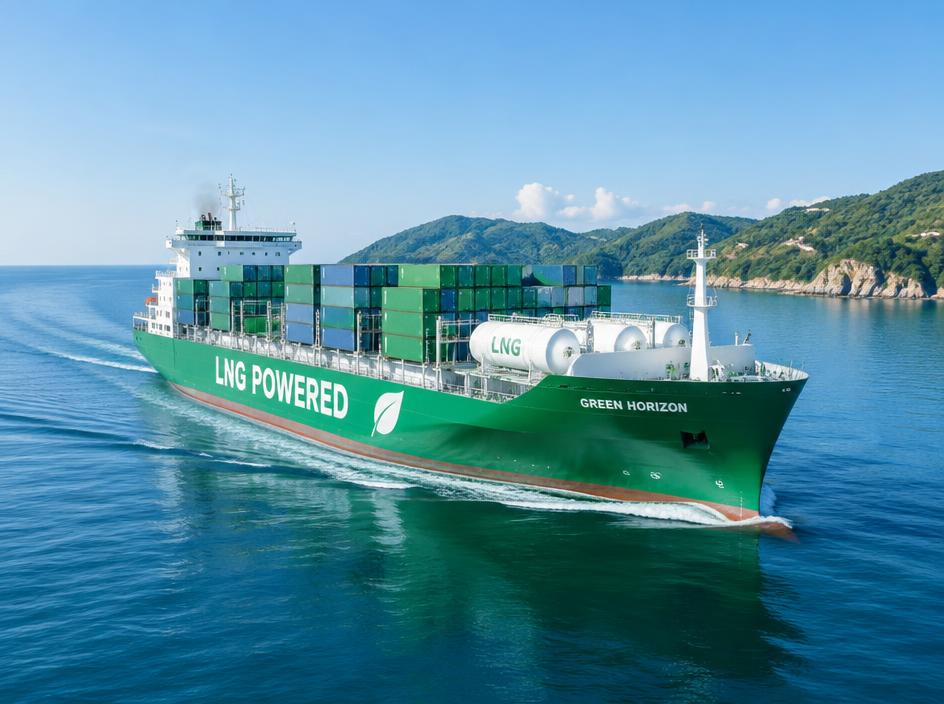
Our sustainability work depends on collaboration across the logistics chain. Fast Safe Cargo teams can discuss safety at sea priorities, operational context and available information for your requirements.
Working together on progress

FAQ
Can't find what you're looking for? Our specialists are available around the clock.
Contact our teamKeep exploring
 People & Planet
Protecting marine ecosystems through cleaner ship operations, ballast and waste management, and support for ocean research.
Explore People & Planet
Investing in our 6,200 people and the port communities we serve through safety, skills, inclusion and local programmes.
Explore Our Commitment
The management system certifications and operating credentials that underpin our quality, safety, security and environmental performance.
Explore
Share your route, operational priorities and reporting needs so we can identify relevant information and practical next steps.